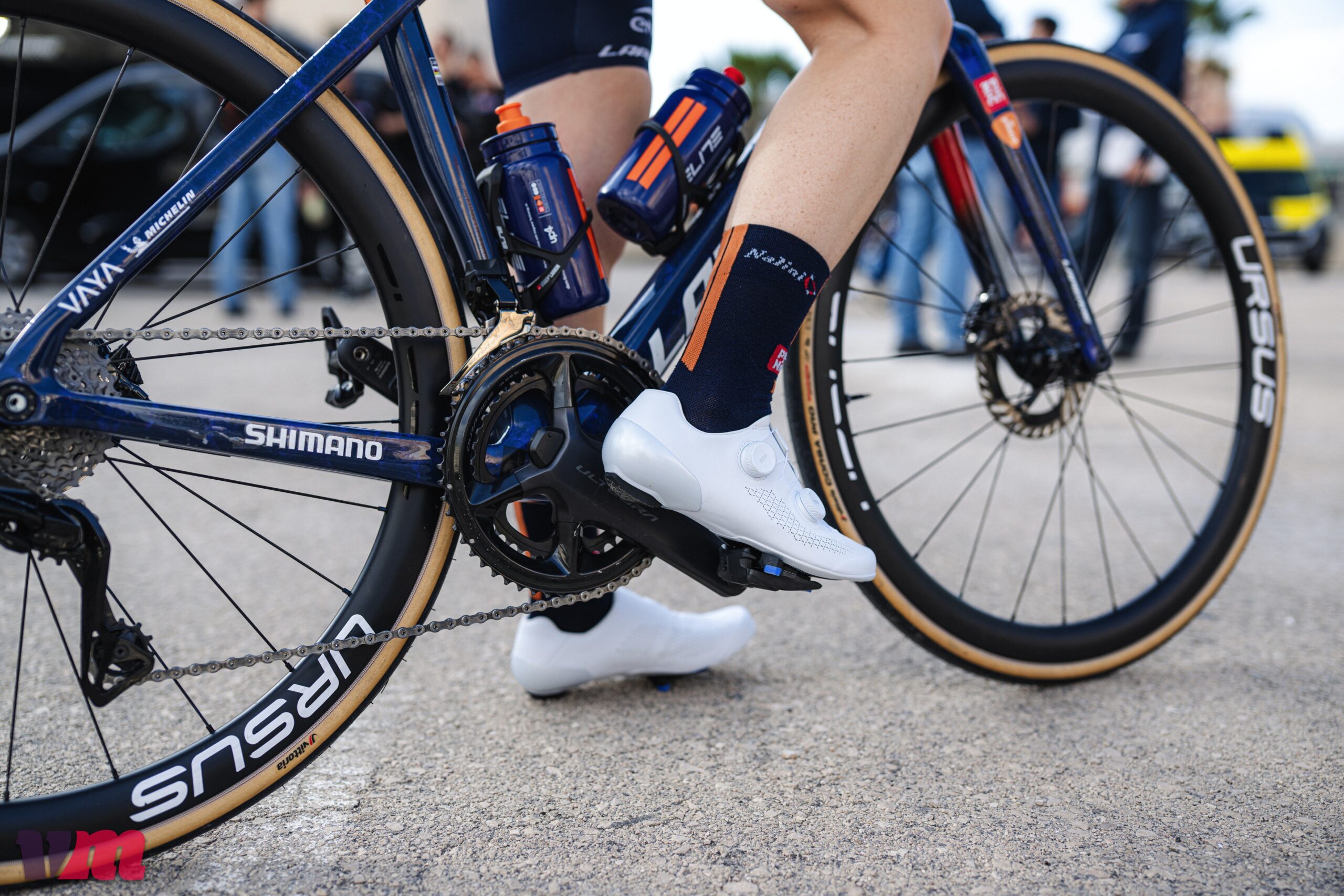
Shimano SPD-SLR: With its new racing pedal, Shimano is pursuing a system-oriented approach – shoes and pedals are optimally matched, and only in combination do all the advantages of the new technology become apparent, such as the significantly reduced stack height. But the individual components also offer interesting innovations.
Shimano has been making road bike pedals for a long time – as well as matching shoes. And while the component specialist created a now industry-wide standard with its SPD pedals for mountain bikes, the brand's road pedals were based on Look, the system of the French clipless pedal pioneer. With the Shimano SPD-SLR, the Japanese company is now taking the next step towards greater independence by combining shoes and pedals into a single system. This is the only way to achieve significant improvements at this crucial interface between bike and rider. Shimano isn't forcing anyone to buy new shoes to go with the new SPD pedals – compatibility with other brands and models is maintained, although not with the full range of innovations.
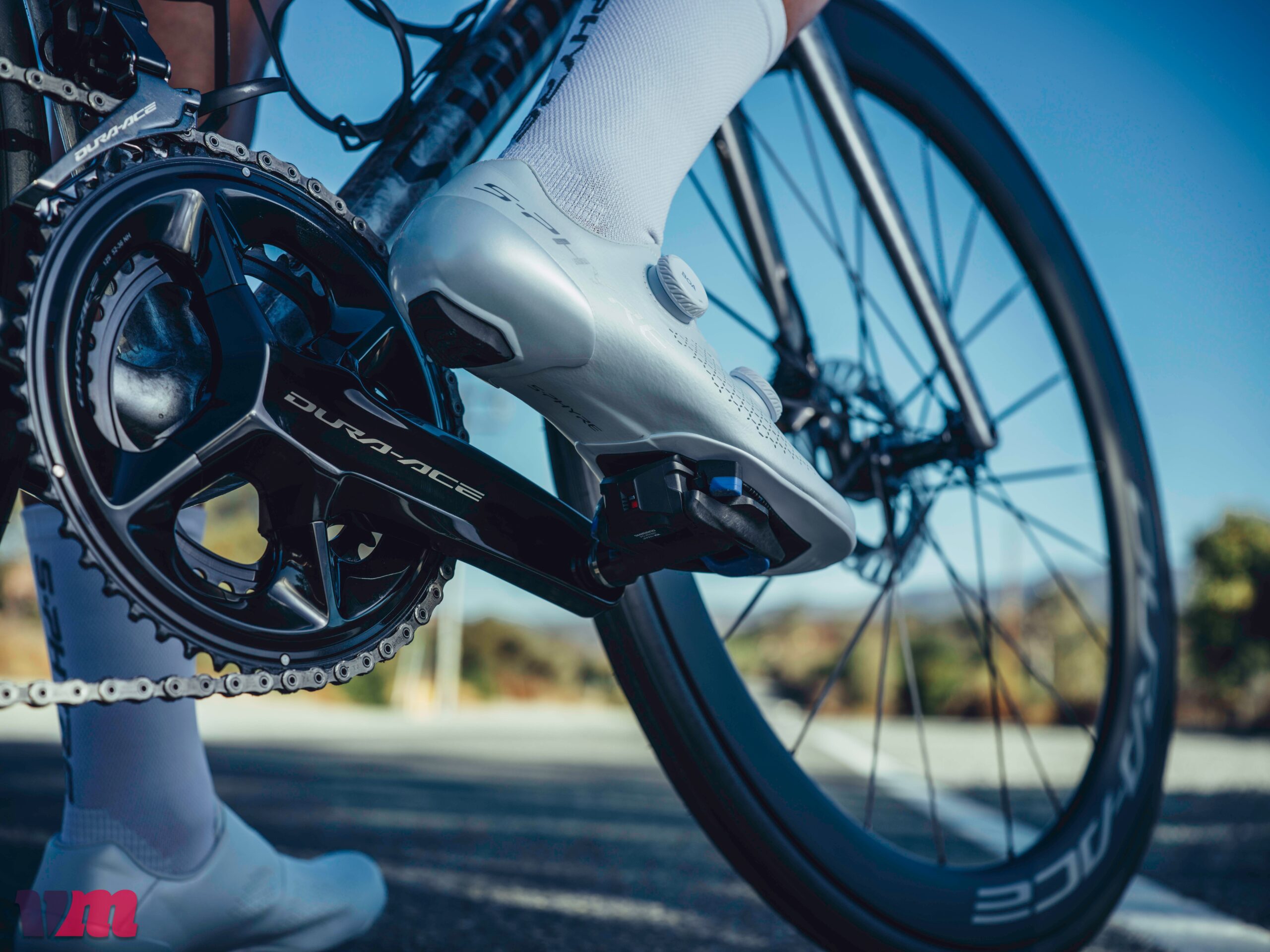
Reduced overall height, larger contact area and less bearing friction
What's new about the Shimano SPD-SLR? Perhaps the most important aspect is the 2,3 mm reduction in stack height – meaning the foot sits that much closer to the pedal axle. That might not sound like much, but given the trend towards shorter cranks, even a few millimeters make a difference. For example, someone switching from a 170 mm to a 167,5 mm crank length has to raise their saddle accordingly – and with the new pedal system, this adjustment to riding position and aerodynamics is eliminated.
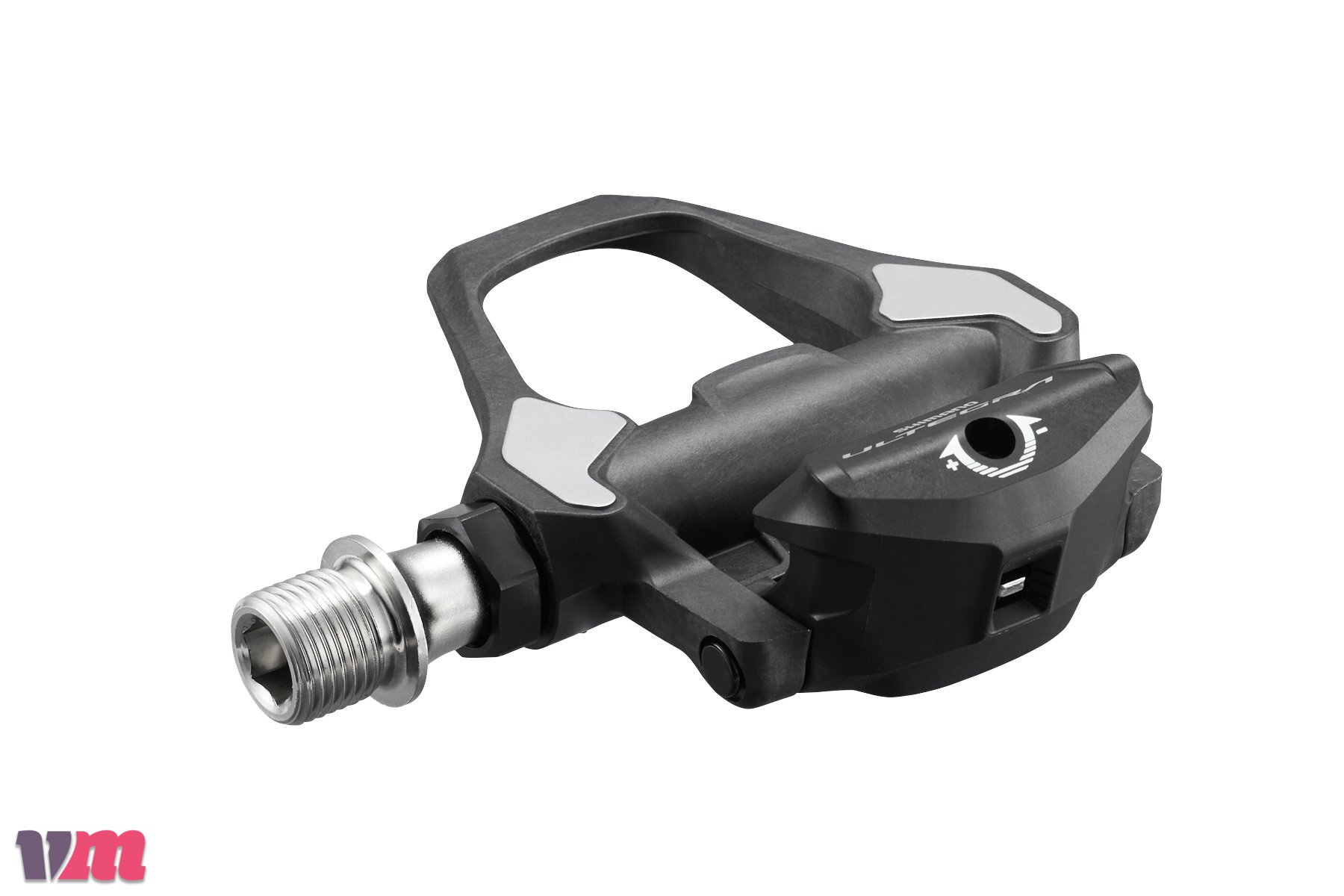
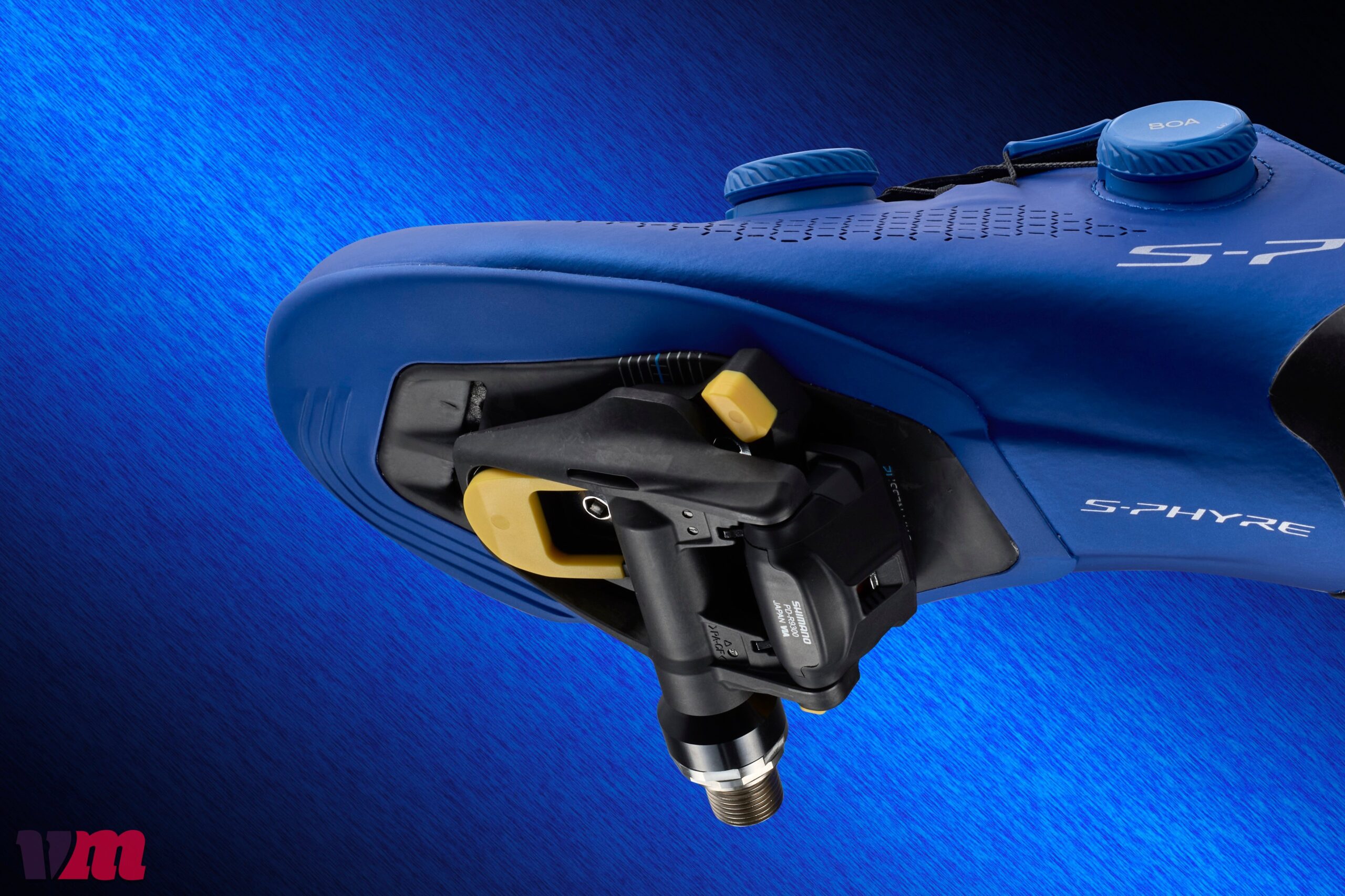
The flatter design is made possible by a more compact pedal and flatter cleats that sit more "in" rather than on top of the pedal. These cleats must be shaped differently than previous models, necessitating a new sole construction: The Shimano S-Phyre SH-RC910 and the Shimano SH-RC810 (the corresponding shoe at the Ultegra level) feature a longer adjustment range for the threaded inserts compared to their predecessors. Many manufacturers forgo adjustable threads in the sole altogether, especially in their more affordable models.
New pedal plates in three versions
The corresponding cutouts in the new pedal cleats are smaller than usual; the adjustability is therefore shifted more towards the shoe. To ensure the most precise adjustment possible, Shimano has also further refined the scale on the carbon sole. This is where the system concept comes into play: the low profile can only be fully utilized when the new pedals and shoes are used together. Those who want to continue using their old road cycling shoes can do so, but will need to use different (also new) cleats that are adjustable in the traditional way and have a higher profile.
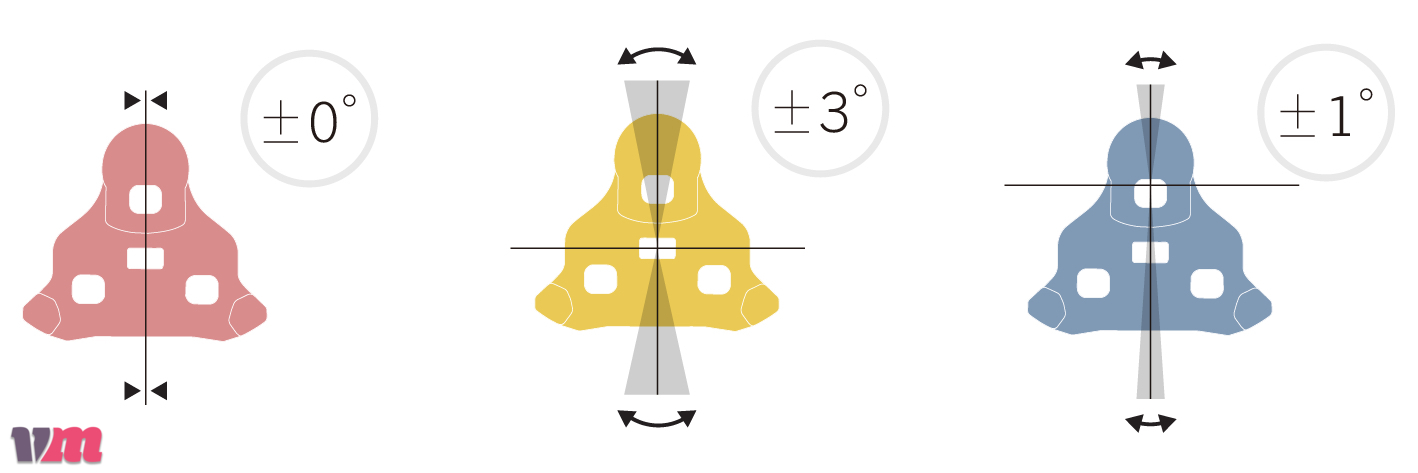
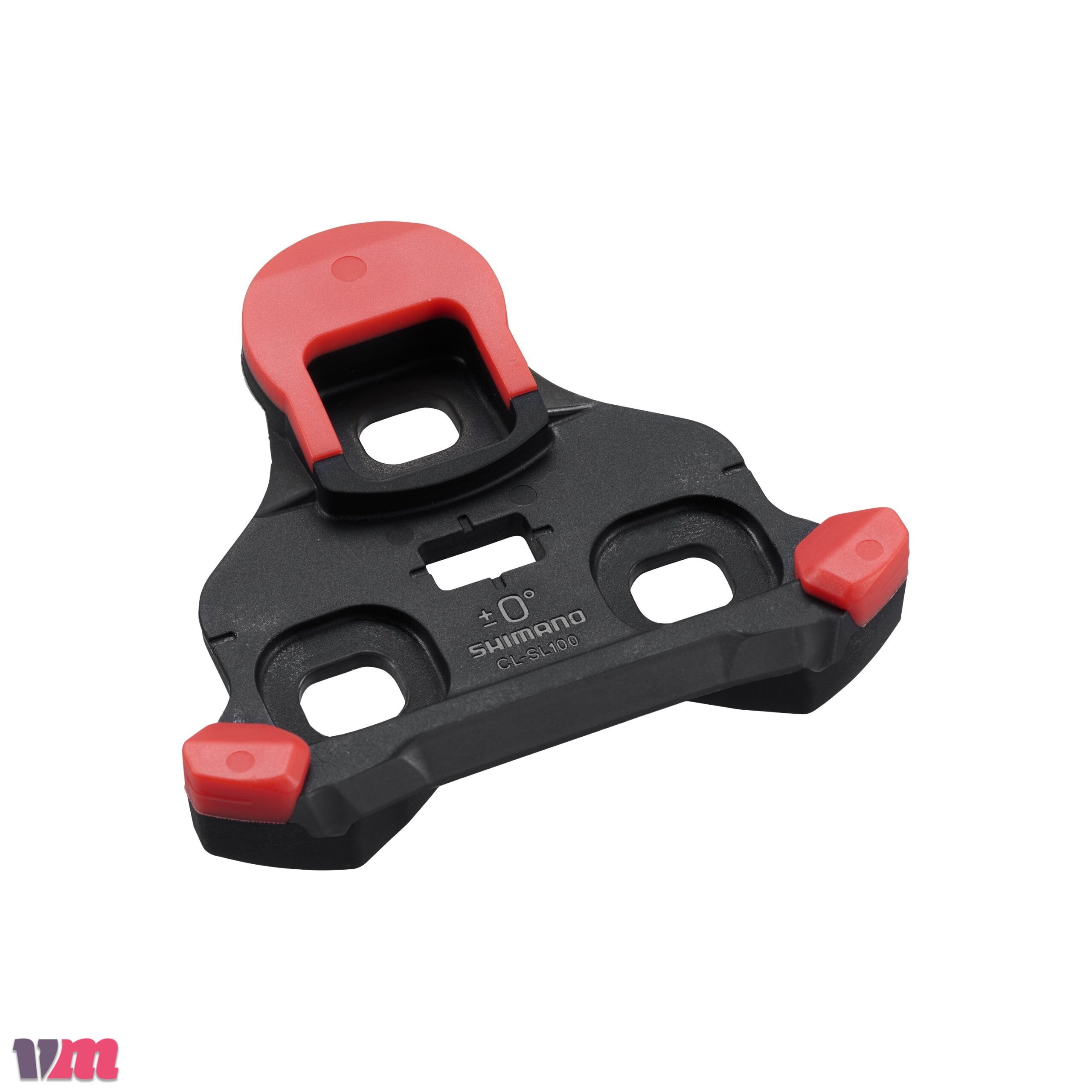
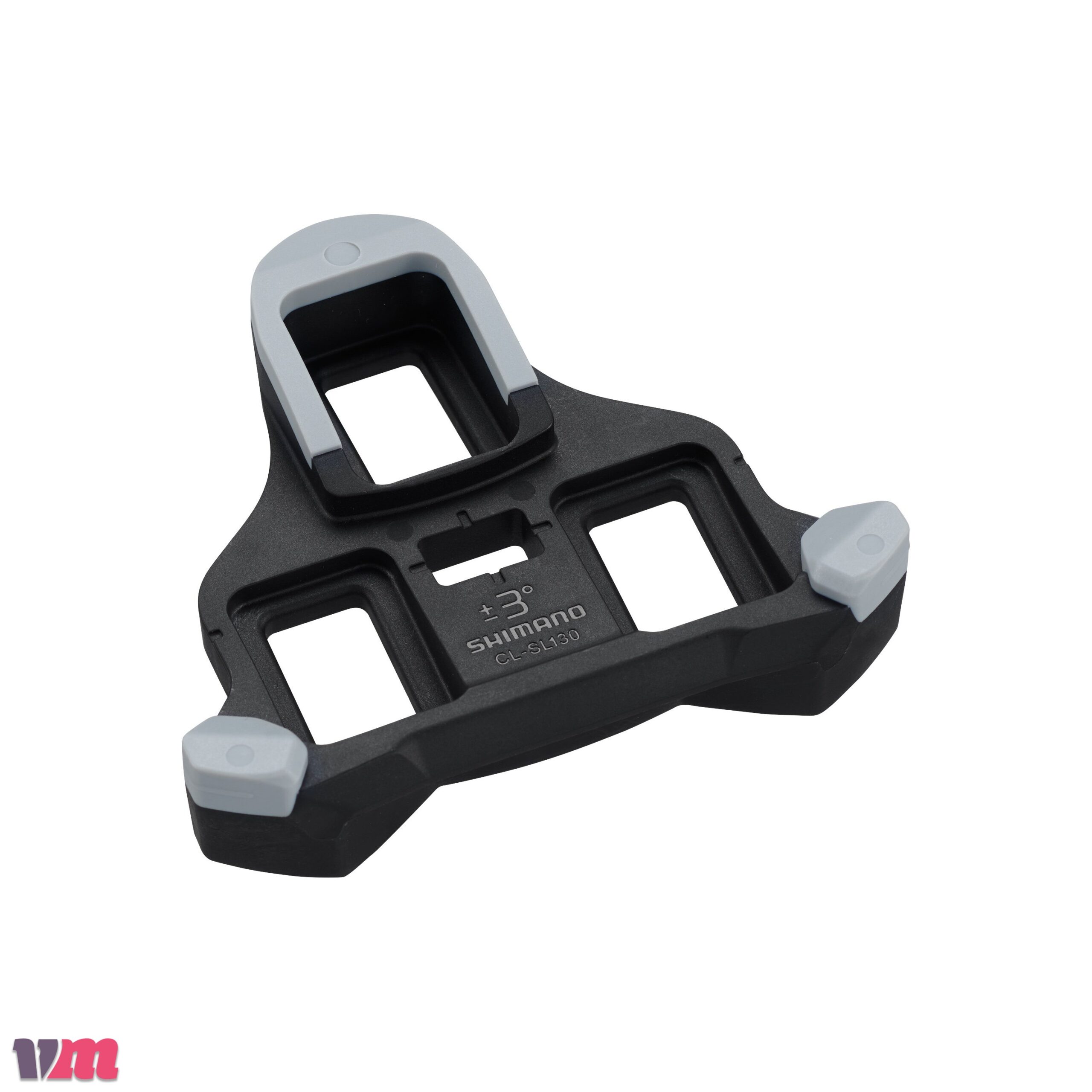
Optimally matched to the new system are three different cleats, which, as with the previous Shimano pedal, come in three colors. Red indicates a fixed shoe position in the pedal, which is intended to increase safety under heavy load; yellow signifies +/- 3° of play; and blue indicates +/- 1°. The gray cleats for non-Shift shoes also have +/- 3° of play. All versions offer a 50% reduced engagement angle, which significantly simplifies clipping into the pedal. Finally, the new cleats are 22% lighter than the previous SPD-SL cleats.
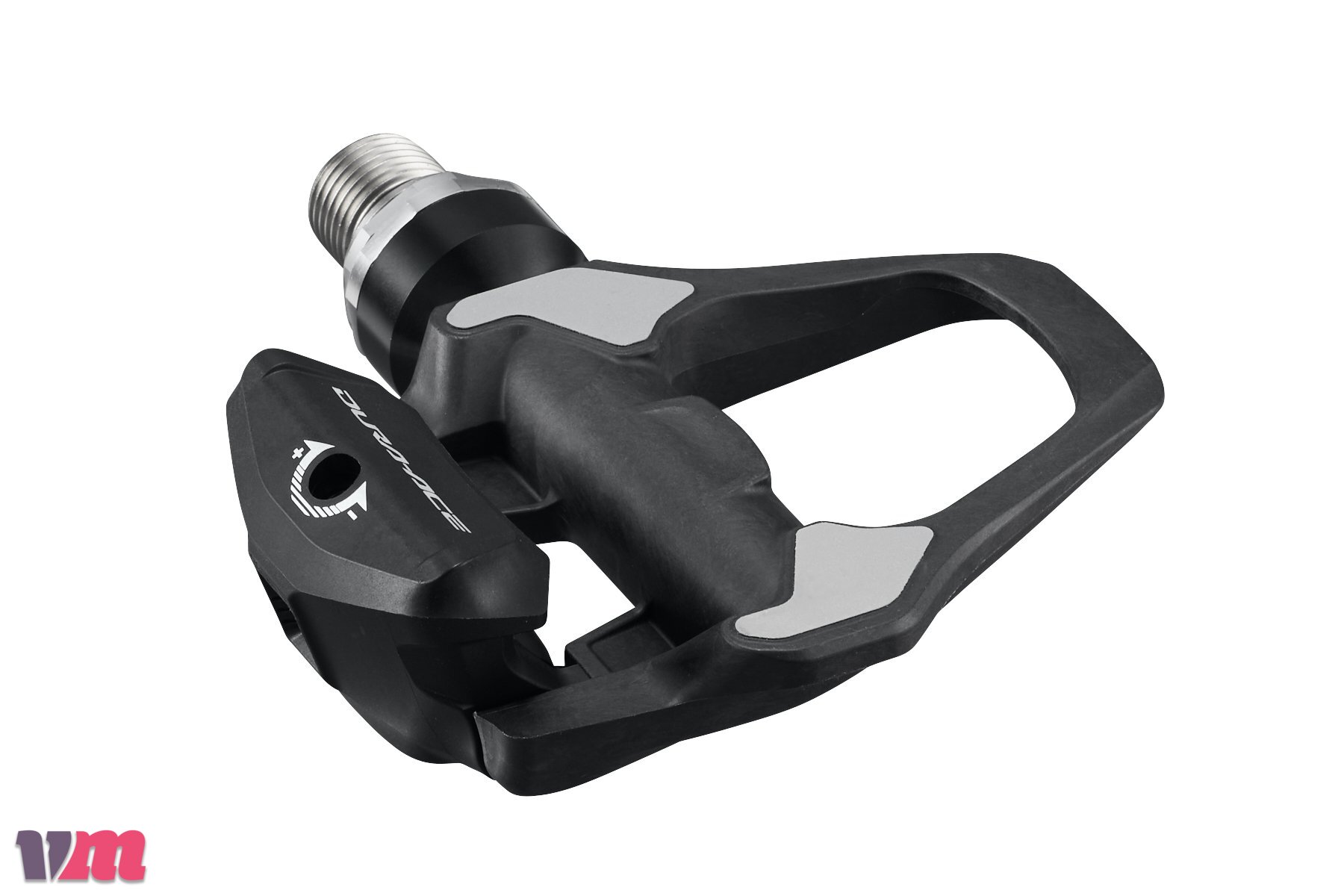
Shimano offers the new pedal system in two versions: the PD-R9300 at Dura-Ace level and the PD-R8200 at Ultegra level. In both cases, the pedal body is made of injection-molded carbon; the wider design is intended to increase stiffness while also improving stability on the pedal. The Dura-Ace model features optimized bearings that now offer half the resistance.
New last and three widths
There are also many new features in the shoes, the high-end S-Phyre SH-RC910 and SH-RC810. In terms of fit, the manufacturer's "Dynalast 2.0" last provides more room in the forefoot. Additionally, the toe box is less raised than is typical for many cycling shoes, which is intended to reduce tension in the foot. An interesting aspect is that both shoe models will be available in three widths. The "Carbon Hollow Core" sole is, of course, very stiff; internal channels are designed to dissipate heat and moisture.
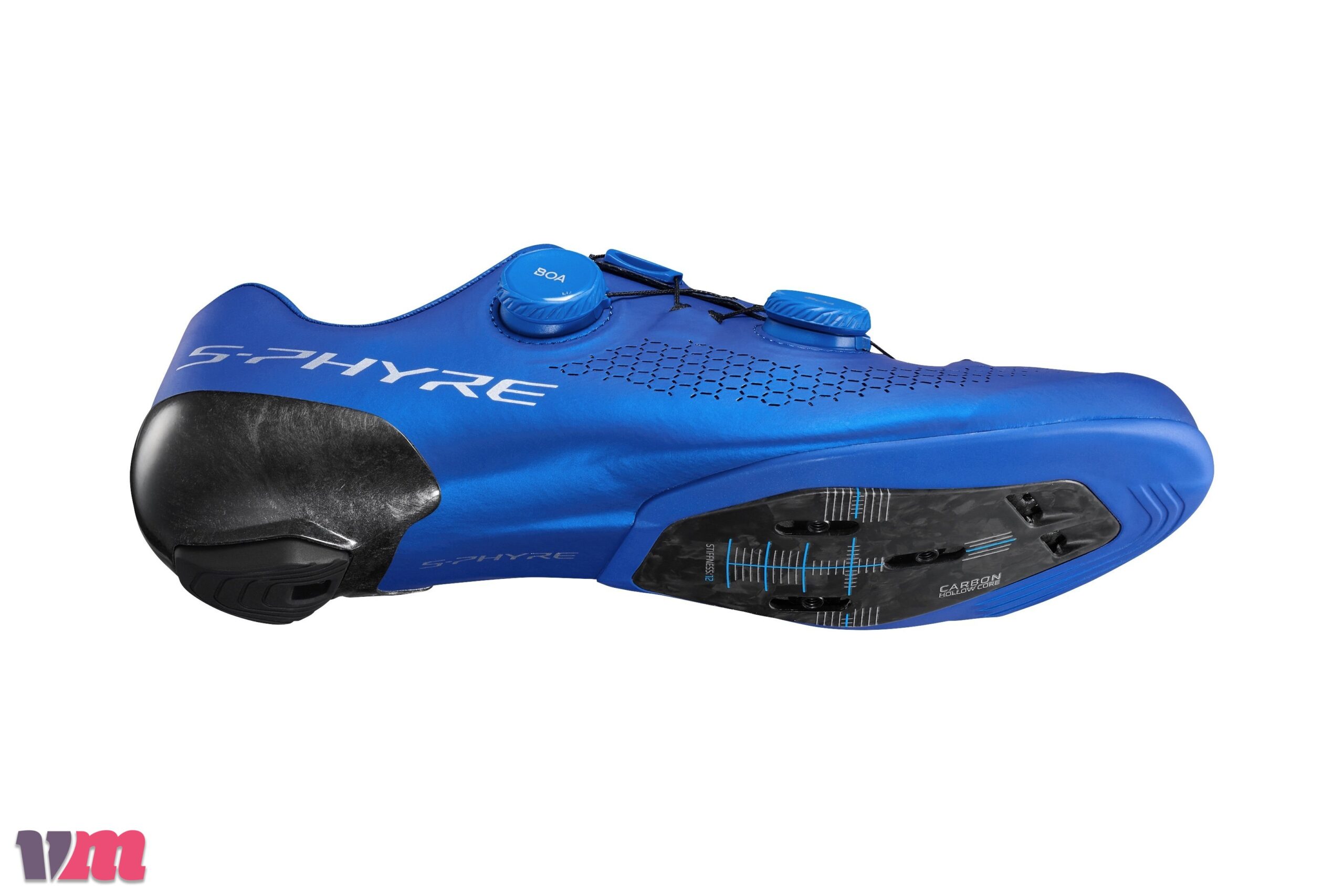
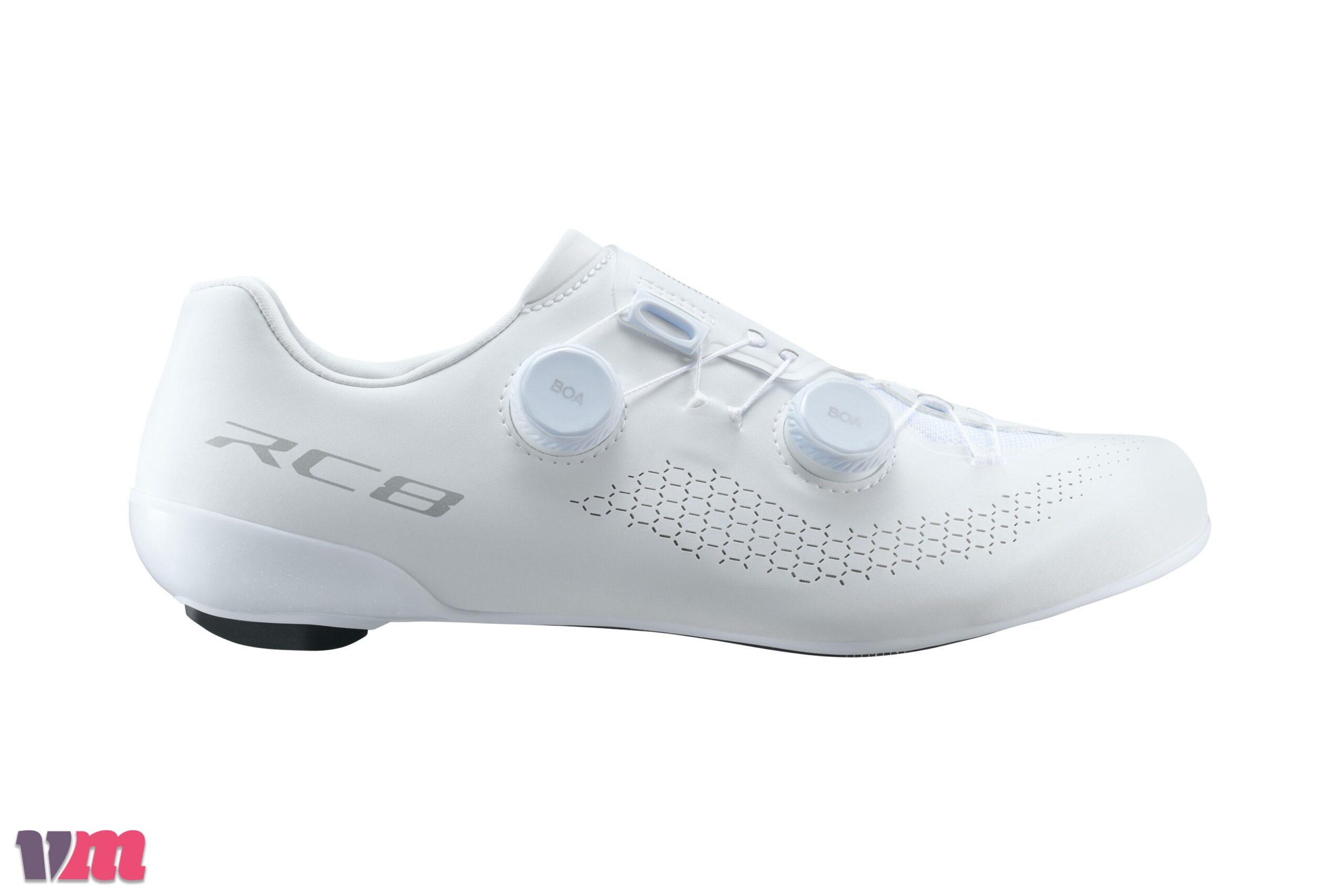
The S-Phyre features a torsionally rigid carbon heel counter; the upper overlaps at the instep and is wrapped evenly around the foot by the double "BOA Li2" closure system. Both shoe models feature newly designed perforations in the upper; in addition to the classic black and white versions, Shimano also offers the S-Phyre in its signature Electric Blue and the SH-RC810 with a pink-peach gradient.
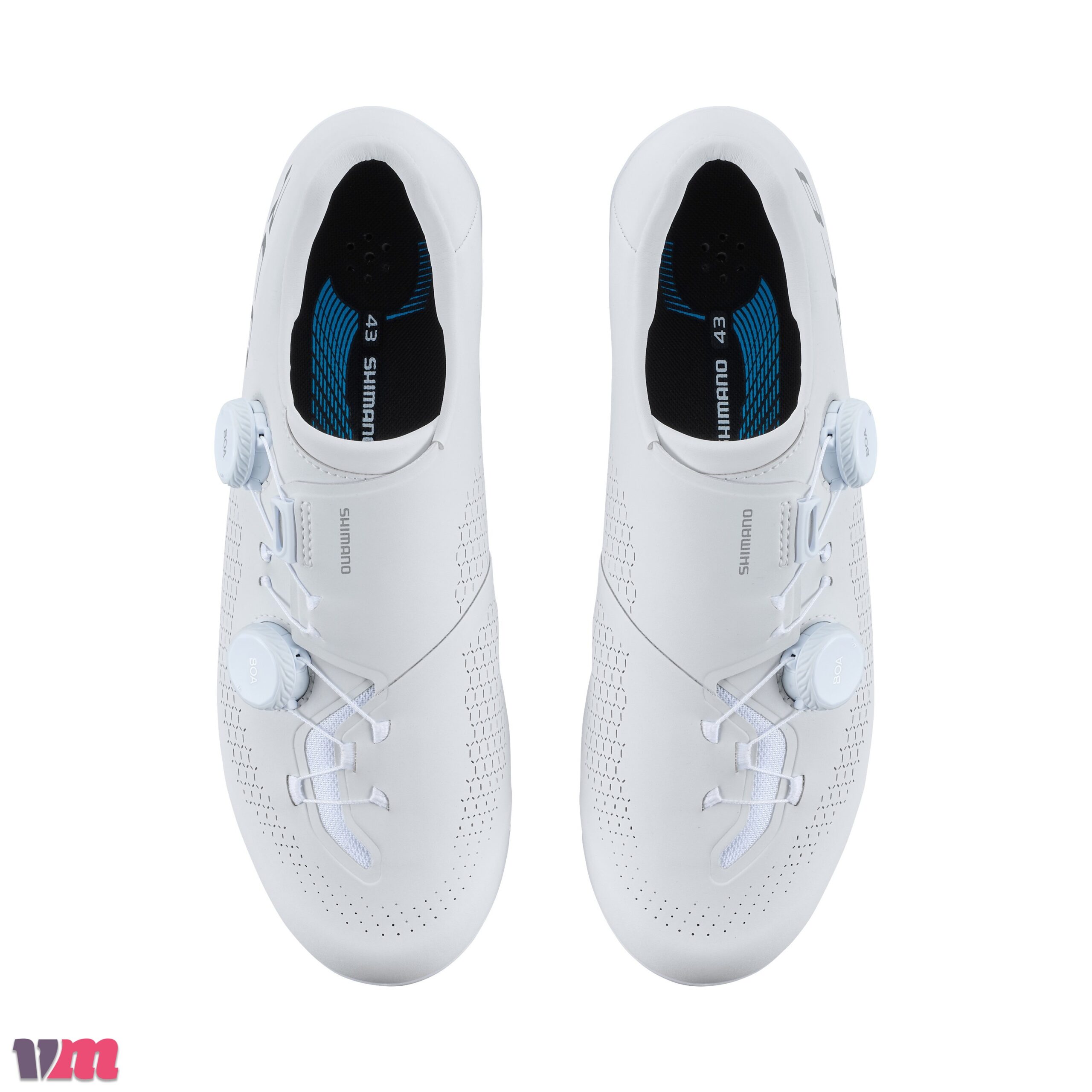
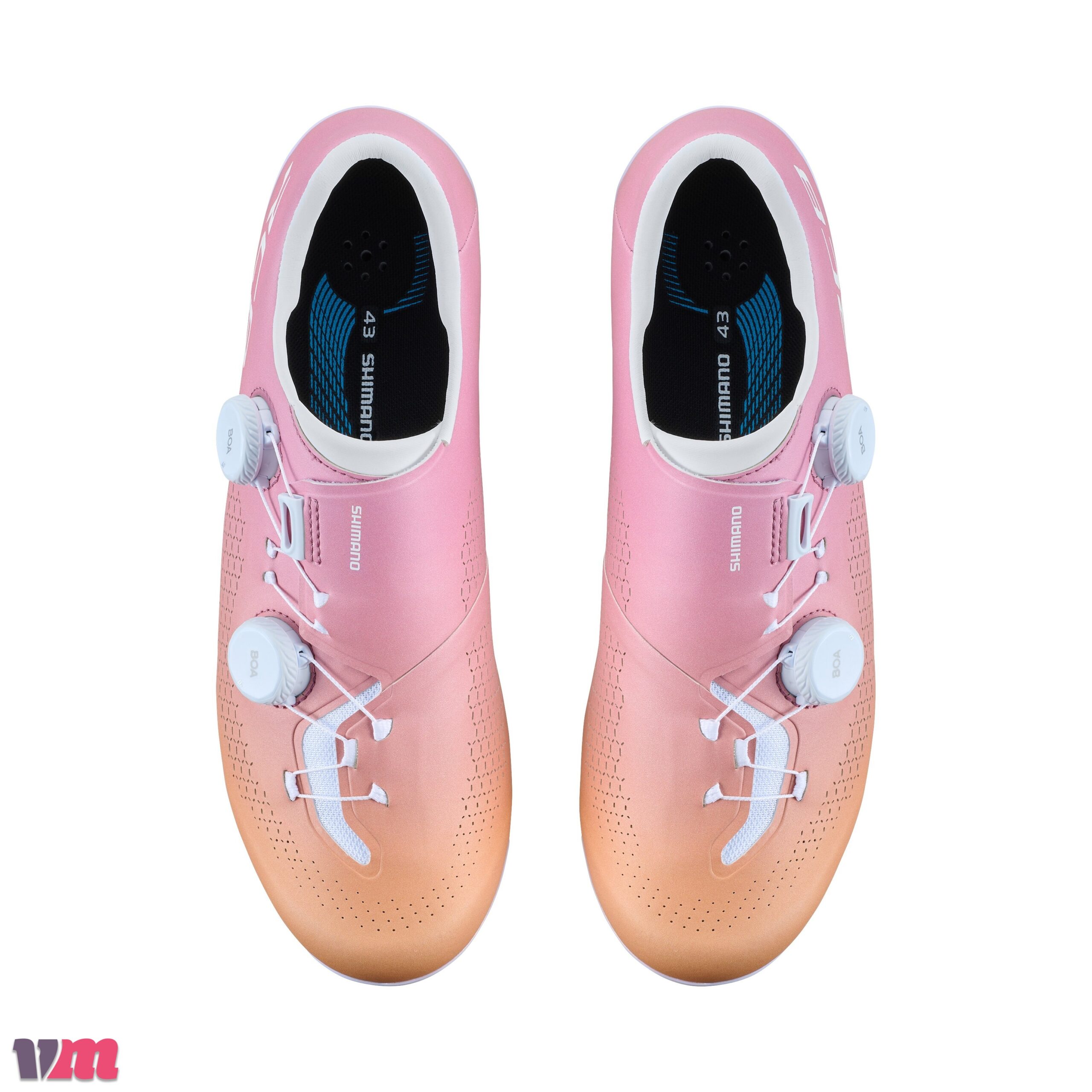
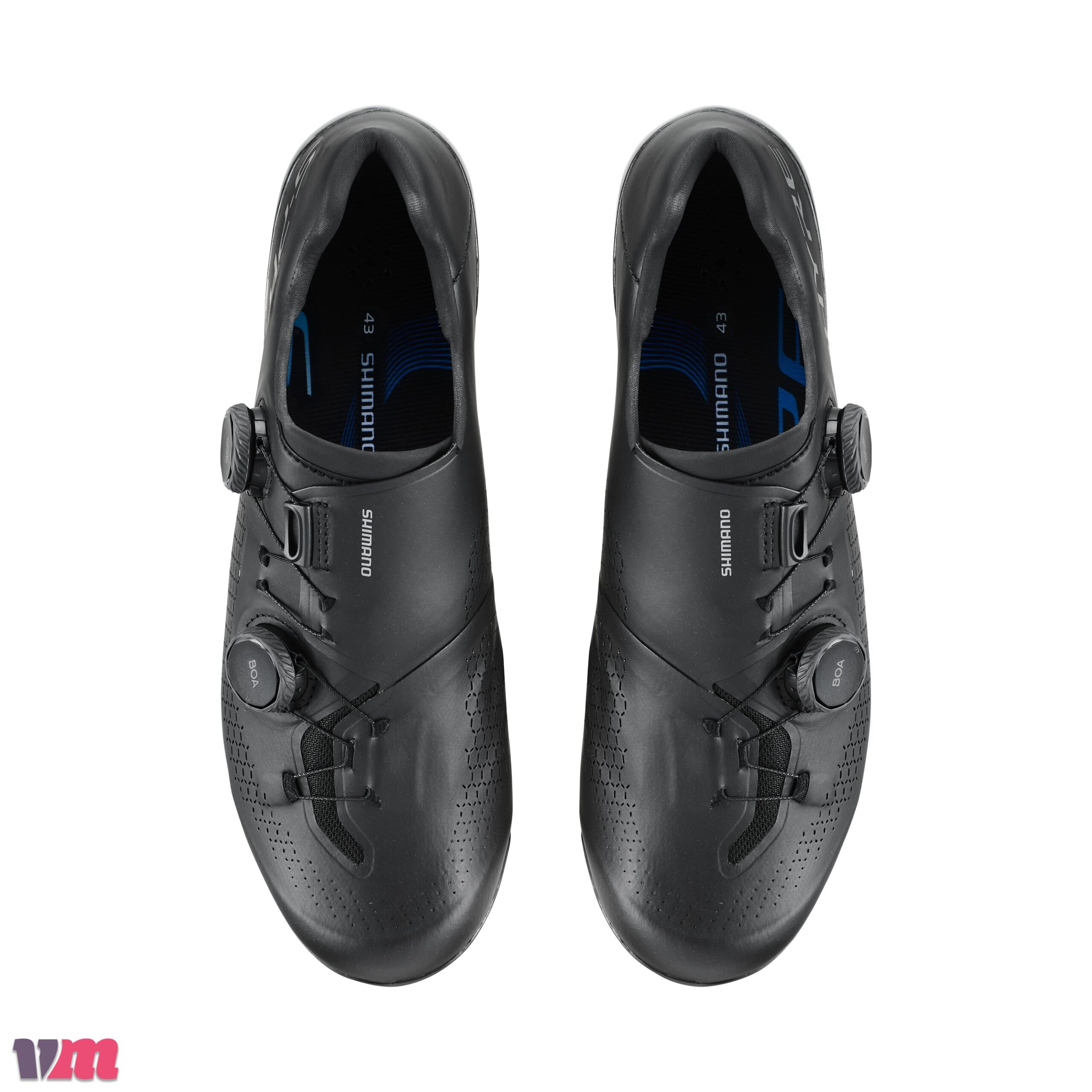
The Dura-Ace and Ultegra versions of the pedal and shoe each differ by about €100: The PD-R9300 costs €274,95, the S-Phyre €419,95. The PD-R8200 costs €174,95, and the matching shoe €319,95. This places the new shoe-pedal system in the premium segment for now, although a Shimano 105 version may follow soon. The system is certainly technically interesting – and those who don't require the full range of features can start with just the pedals.