


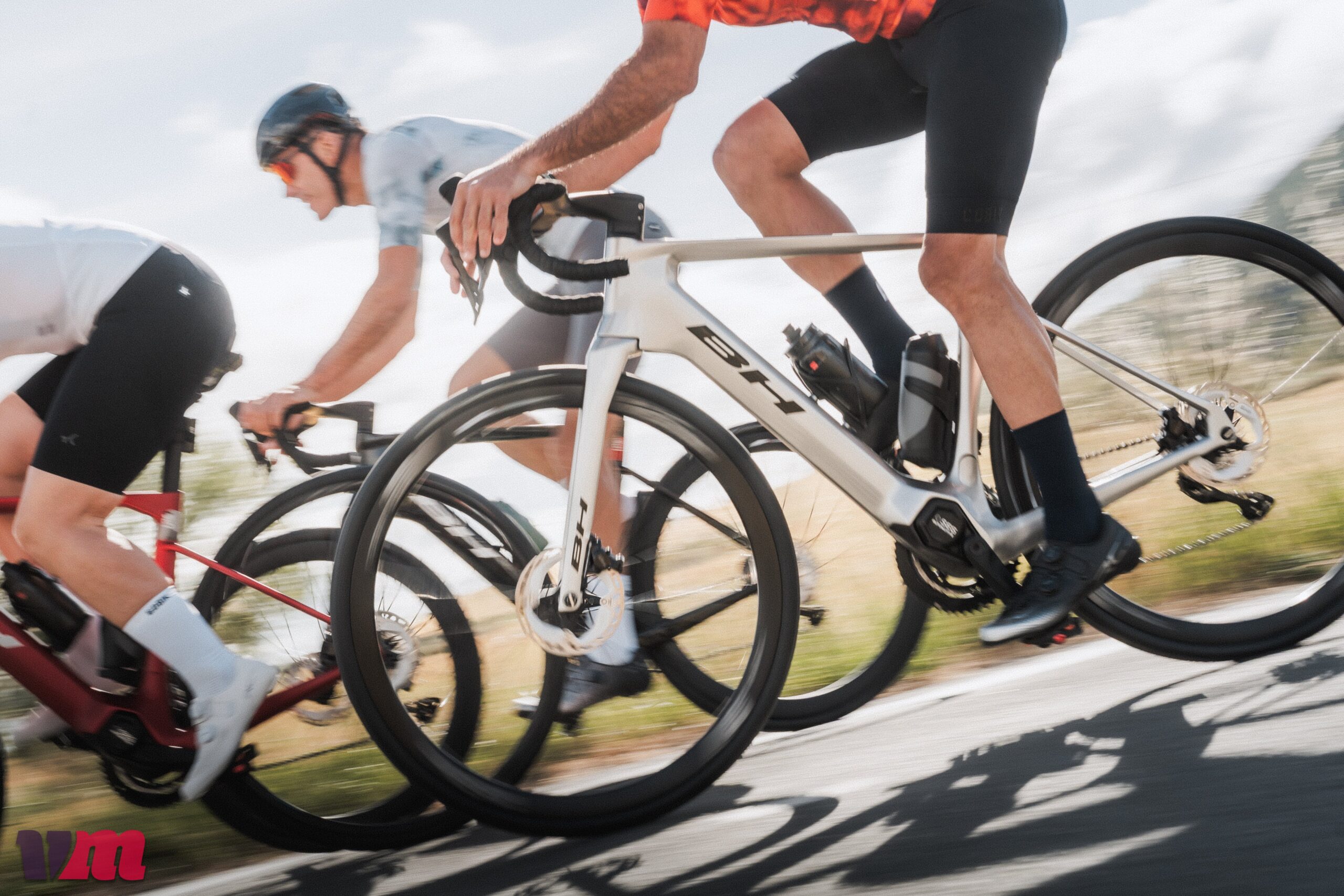
BH iRS1: The Spanish manufacturer presents a new e-road bike with a powerful mid-drive motor that appears comparatively sleek and understated. Interesting features include the handlebar-mounted buttons and the included range extender – although the range of the integrated battery should already be substantial.
Even purists get older – and at some point, they do start to wonder whether riding uphill on an e-road bike is as much fun as it used to be. Younger cyclists, on the other hand, are generally less hesitant about e-bikes – if it makes cycling more fluid, then it's fine. And so BH, short for Beistegui Hermanos, the (Basque) Beistegui brothers, is addressing two user groups with its new BH iRS1 platform.
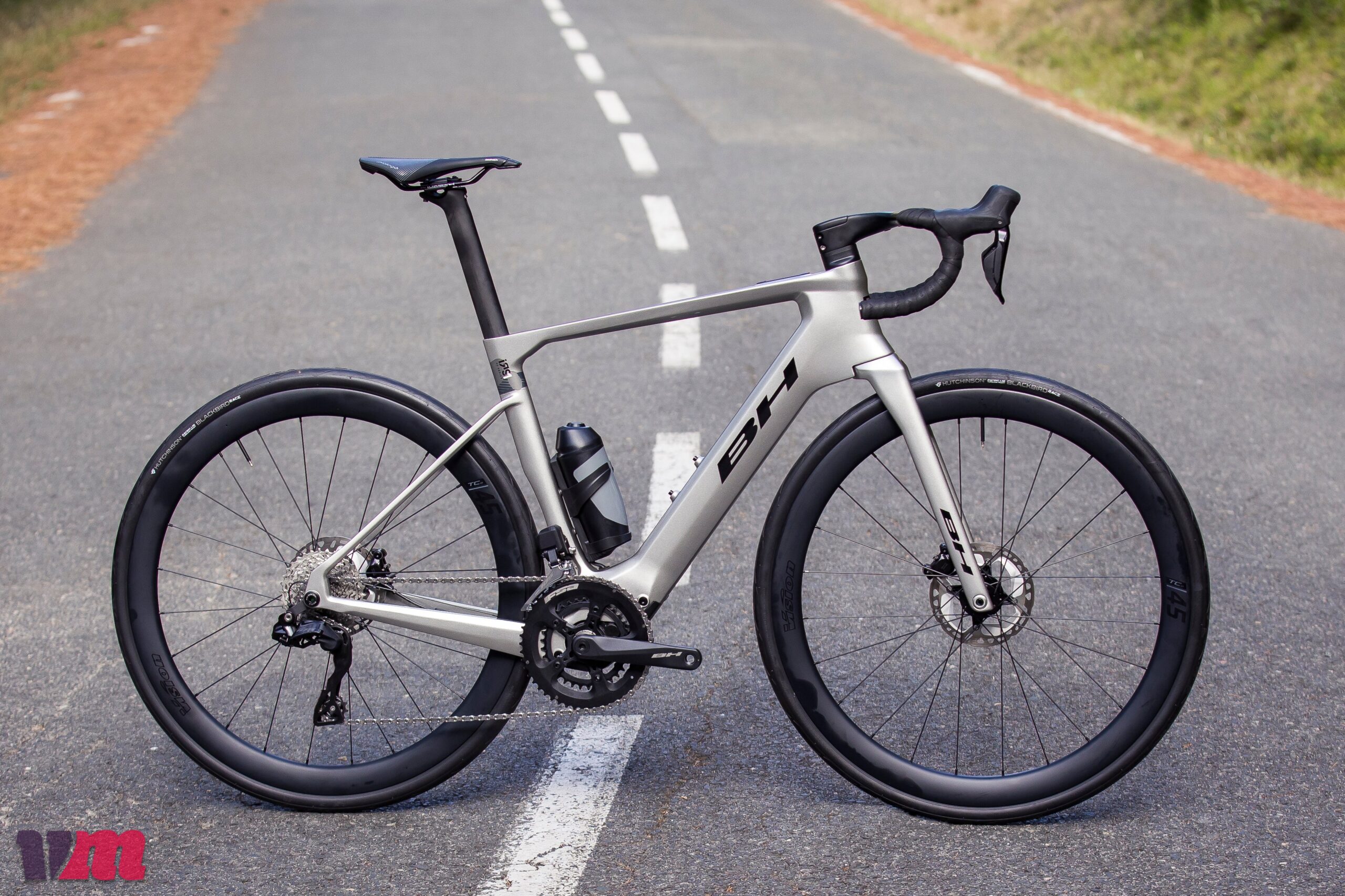
What makes the new e-road bike stand out? First of all, it's noticeable that BH has opted for a mid-drive motor, which, with 80 Nm of torque and 700 watts of maximum power, is on paper as powerful as a Bosch CX motor. The IRS1 is therefore a true full-power bike, capable of delivering significantly more watts on climbs than the rider themselves. At the same time, the motor is relatively light at 2,1 kg and can be compactly integrated into the carbon frame. This frame is equipped with a 630 Wh battery, which is permanently mounted in the rather voluminous downtube.
BH iRS1: the highlights
- E-road bike with SEG BLM motor, torque 80 Nm, max. power 700 watts
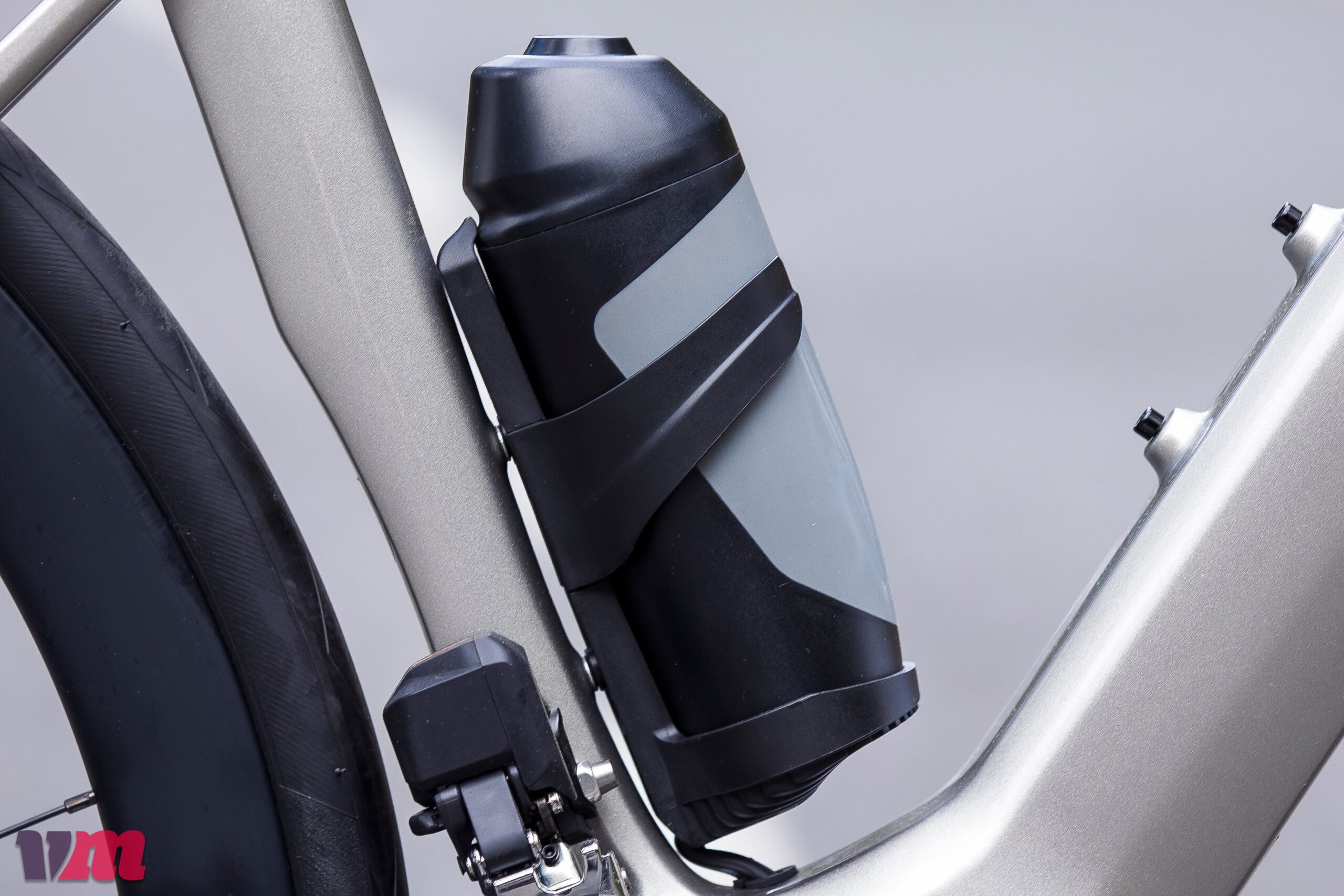
- Permanently installed 630 Wh battery plus 180 Wh range extender
- Three carbon models starting at €4.599 and one aluminum version
Long range plus range extender
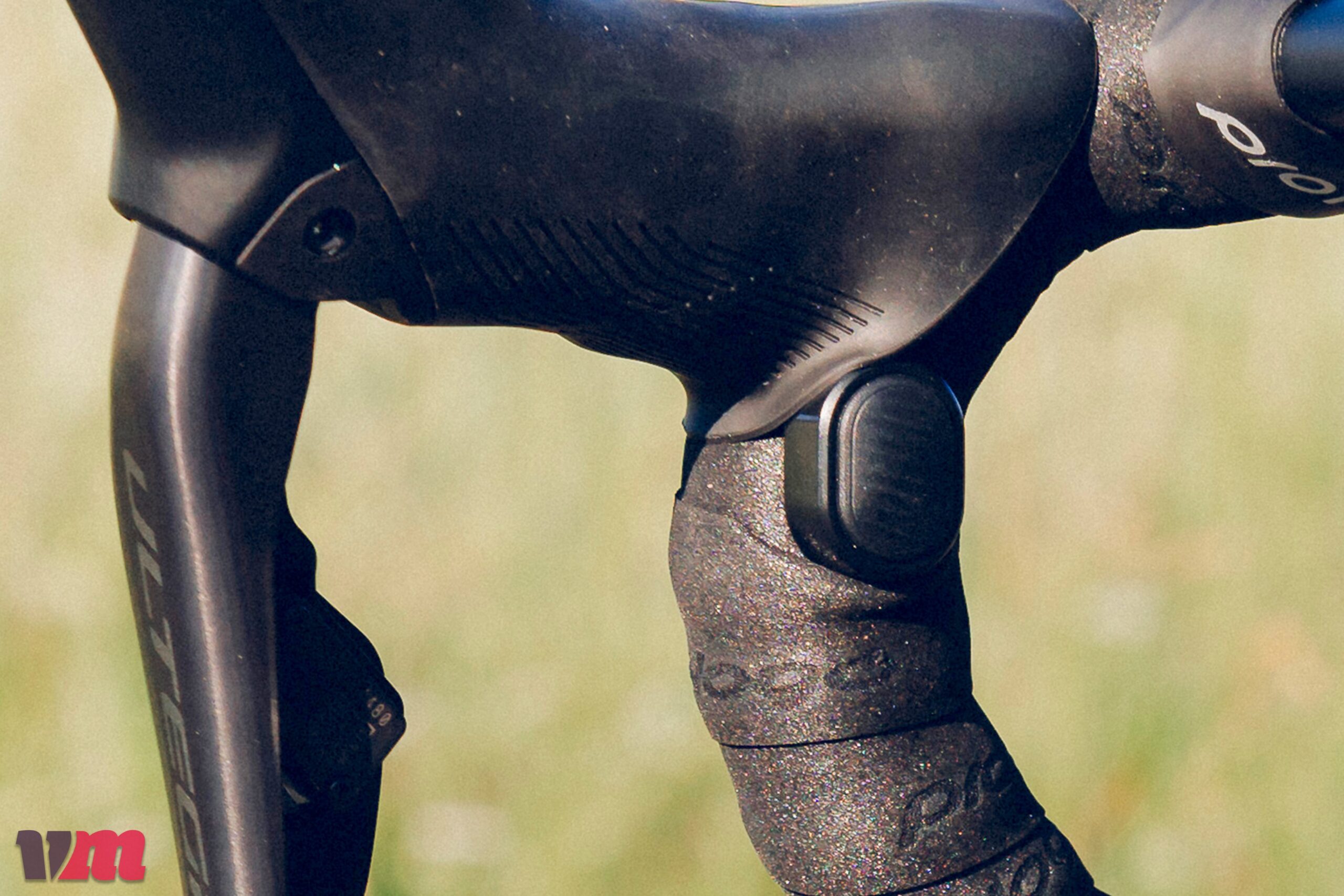
That alone suggests a long range, but there's also a range extender in the form of a water bottle, providing an additional 180 watt-hours – and it's included in the package. The same goes for the SEG motor's "iButtons," which allow you to switch between riding modes from the handlebars. With some other e-road bikes, you have to take your hand off the handlebars to do this. A display, integrated into the top tube, shows speed and various riding and motor data.
The e-bike still looks like a proper racing bike, especially since the downtube, while aerodynamically tall, isn't too wide. The flat head tube area and the integration of the fork into the frame also contribute to optimizing air resistance, and the frame as a whole has a very modern look with a flat seatpost and, in the two more expensive models, even a carbon cockpit.
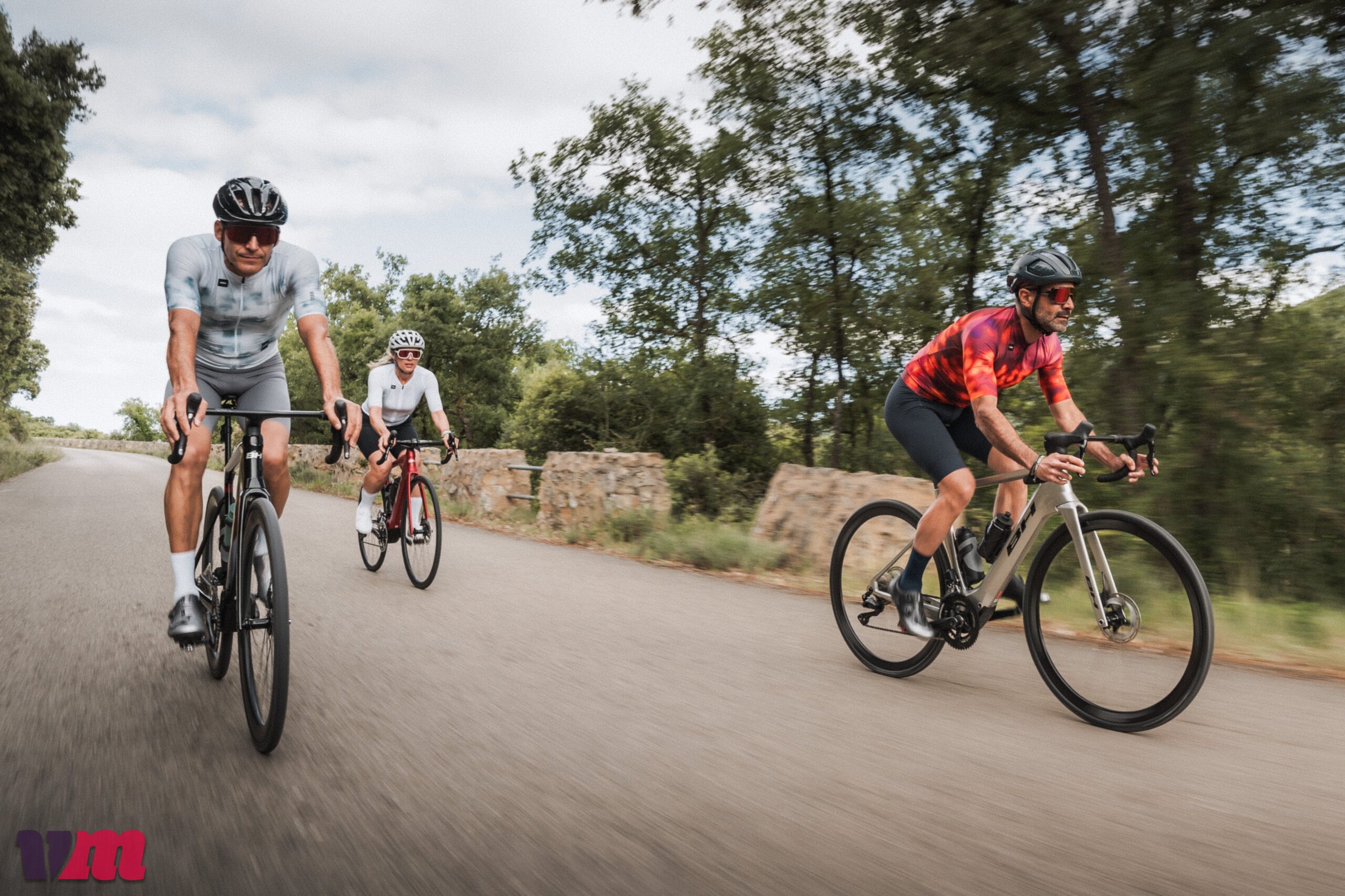
Three carbon models, one aluminum wheel
BH offers four models, with the most affordable version based on an aluminum frame. Its geometry is essentially the same as the carbon model: the head and seat tube angles are balanced, and the riding position is relatively sporty. The top model, called the BH iRS1 Carbon 1.6, costs €6.999 The Euro model is equipped with Shimano Ultegra Di2 and FSA Vision TC45 carbon wheels. One step down is the BH iRS1 Carbon 1.5 (5th).999 The 1.4 (4.599 euros) features Shimano 105 Di2 shifting and rolls on an aluminum wheelset from Vision with 35 mm deep rims. The 1.4 (4,599 euros) uses the mechanical 105 groupset and an aluminum wheelset with shallow rims; the BH iRS1 has the same components on an aluminum frame and therefore costs 900 euros less.
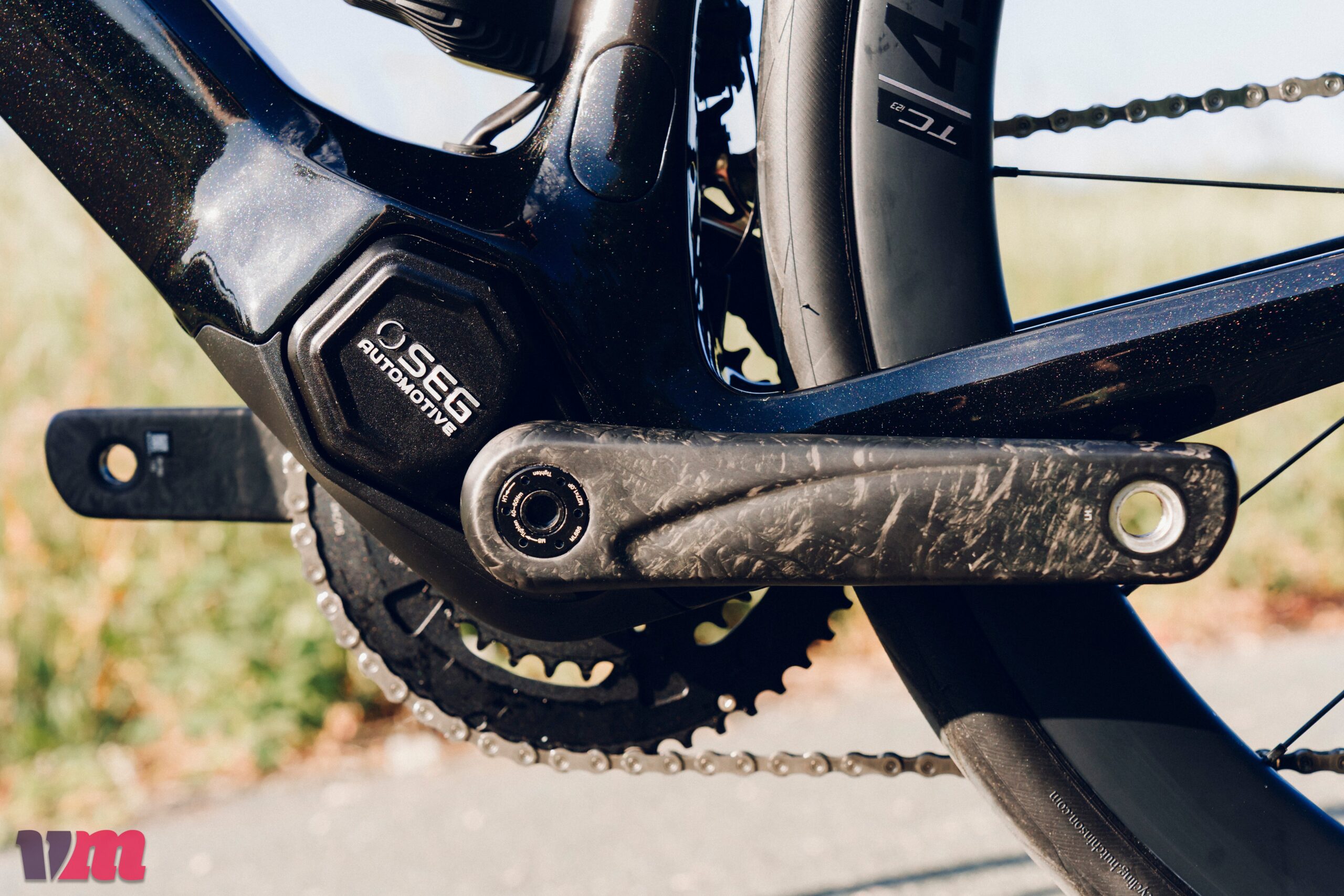
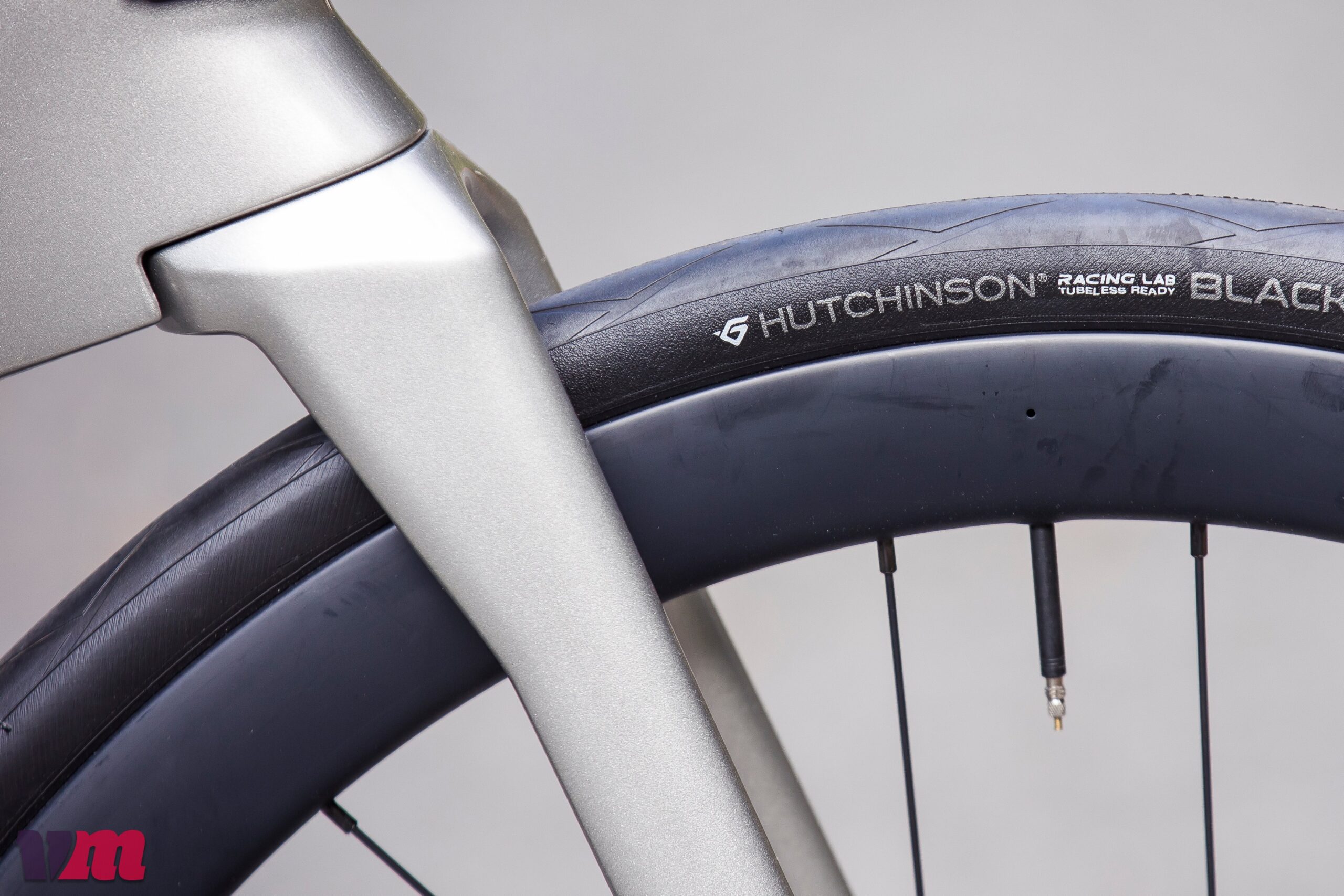
BH states a weight of 12,9 kg for the top model, meaning the complete drive system adds a good five kg. How much this affects handling remains to be seen – what is certain is that the performance gain on climbs more than compensates for any potential weight disadvantage. And the fact that BH is offering the new e-model at quite attractive prices could encourage even more road cycling enthusiasts to try an e-bike. It's important to understand that, given its 32 mm tire clearance, the BH iRS1 is purely a road bike – those wanting to venture off-road can also find an e-gravel bike with a SEG drive system from the Beistegui brothers.