


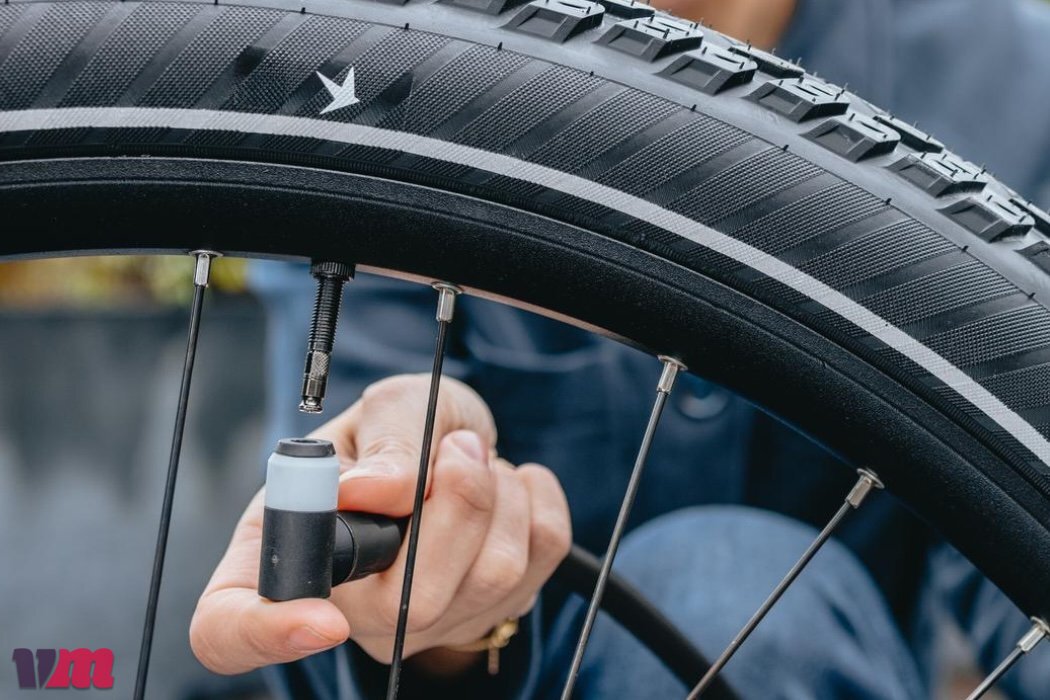
Schwalbe Clik Valve: Why are there three valve standards plus various special designs? And why is it often so complicated to inflate a tire? Anyone asking themselves these questions should take a look at the Schwalbe Clik Valve and will discover: it's never been easier.
Looking at racing bikes that are 50 years old or more, you can find one component that hasn't changed a bit in all that time: the Sclaverand valve (also called a French valve). It was invented at the end of the 19th century, and because its screw-in pin can withstand high air pressure, it remains the standard on performance bicycles to this day. Its operation seems simple, but anyone trying to explain it to a layperson often encounters incomprehension: Why does it have to be so complicated to inflate a tire?
It's no wonder that many cyclists prefer the Schrader valve (typical for lower price ranges) or the classic Dunlop or Blitz valve. However, these too have their drawbacks: air often escapes from the Schrader valve when attaching the pump head, as the valve remains open during inflation. And the Blitz valve can be easily loosened or stolen, and it's also considered not to be very airtight. Furthermore, a high initial breakaway torque is required when pumping – the pump should therefore be firmly attached to the valve, which it isn't always.
Schwalbe Clik Valve: the highlights
- A unified system that can replace all three common valve types.
- Secure, firm plug connection instead of screwed-on or clamped valve adapters
- Significantly simplified pumping process without air loss and time-consuming unscrewing.
- Virtually no wear and tear, no need for regular replacement of rubber seals.
- Conversion kit from €13,95
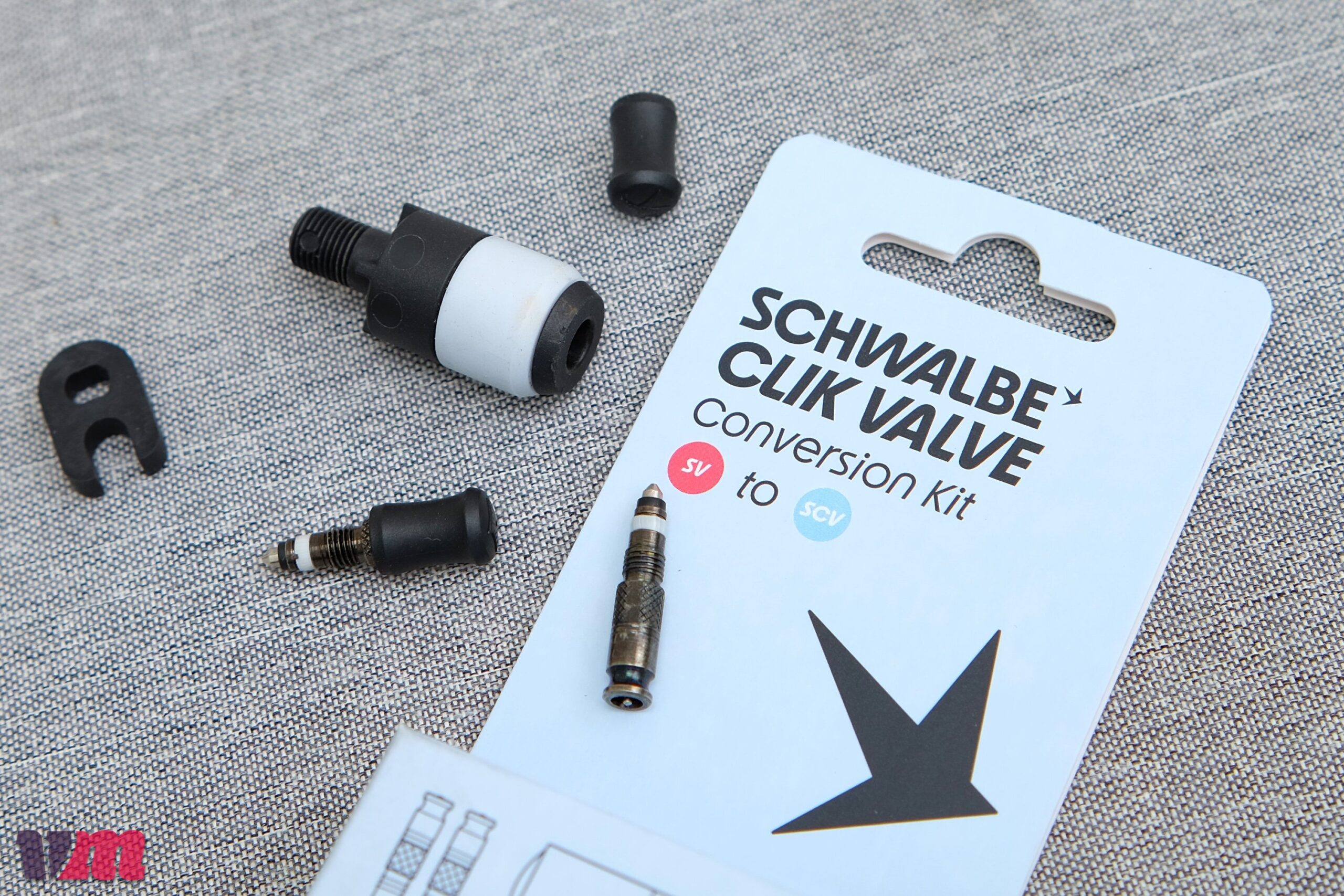
So it was time for something new, and that's been available for about two years now under the name Schwalbe Clik Valve. It was invented by American John Quintana, whose children had trouble with conventional valves, and it's by no means the only current valve innovation. But while companies like Muc-Off and Reserve are exploring what the perfect tubeless valve might look like (and thus further increasing the variety of models), the Clik Valve has a different objective: firstly, to simplify inflation, and secondly, to become the standard valve for all bicycles.
Easy pumping with a secure plug connection
How does the Clik Valve work? The system's ingenuity is right there in the name: The pump head isn't screwed on like the hose of some mini-pumps, nor is it pushed on or clamped with a lever. It's simply pushed onto the valve until it makes a quiet "click"—then the four spring-loaded balls in the pump head are seated under the valve collar, holding them securely together. This virtually eliminates air loss when attaching or detaching the valve. Compared to a Presta valve, pumping with the Schwalbe Clik Valve is also significantly faster, since the valve doesn't need to be screwed on and off. The valve cap, which isn't strictly necessary, also simply "clicks" into place.

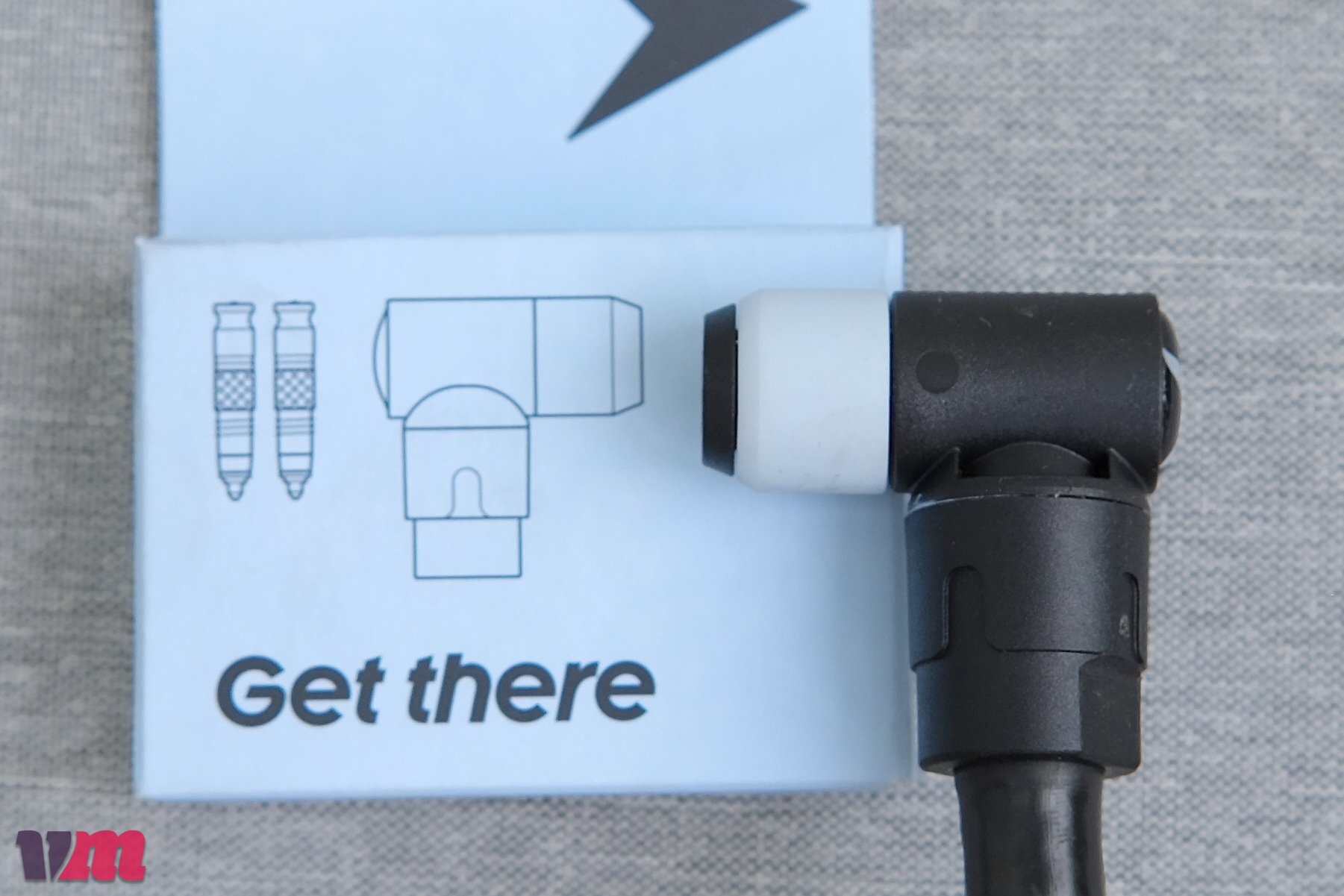
Saving time when pumping tires? That might not seem like a top priority, but this aspect becomes increasingly important when you need to inflate more than one bicycle. For this reason, the Clik Valve is currently gaining ground in competitive cycling. The simple push-fit connection is particularly appealing compared to lever systems due to its improved handling, as you can neither pinch your fingers nor lose air through improper insertion or damage the valve stem. Furthermore, since the click connection doesn't rely on a rubber seal, it's virtually wear-free – Schwalbe claims 20.000 clicks per valve head.
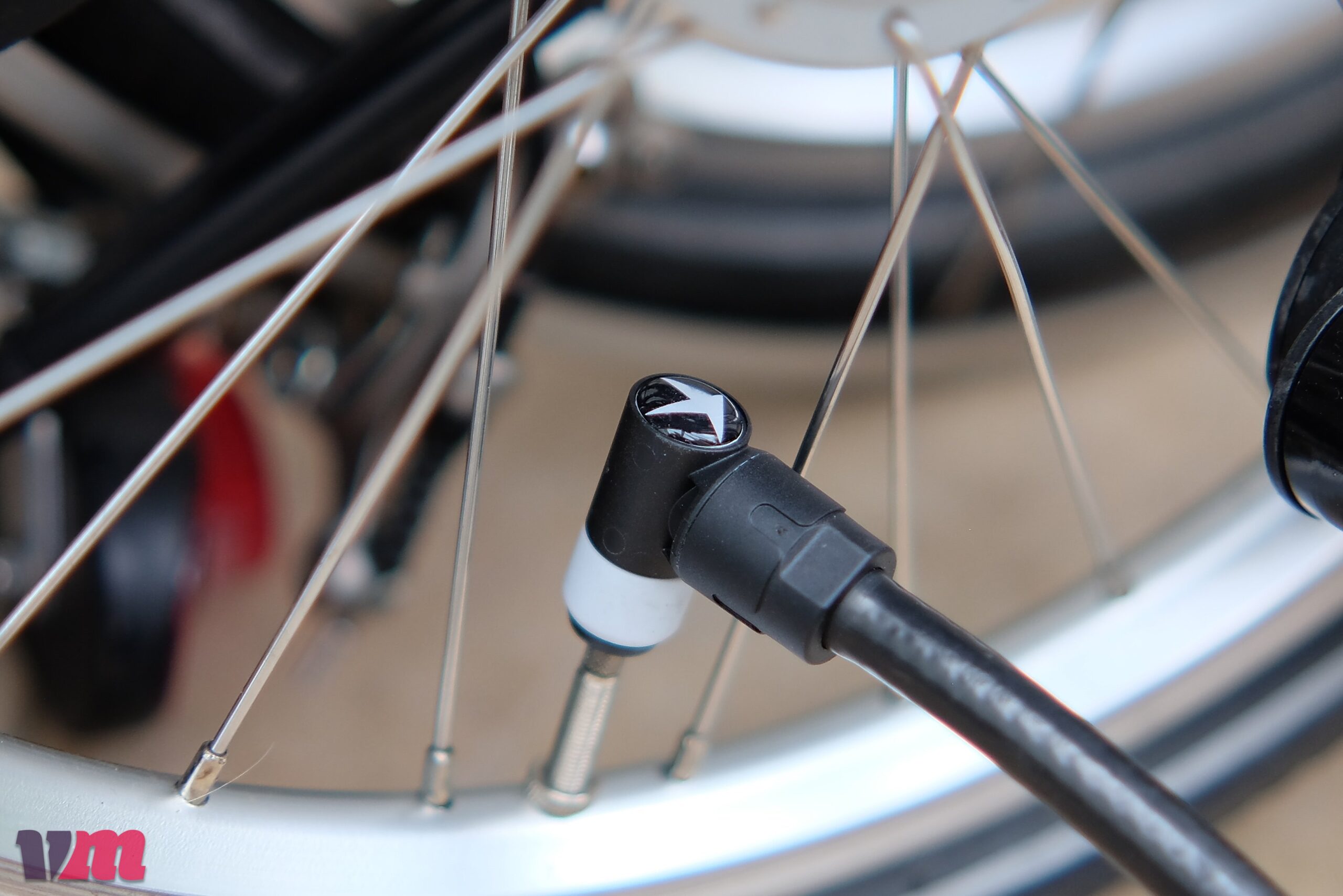
Higher airflow when pumping with a compressor
The manufacturer also mentions another advantage: a 50% increase in airflow. This is because the pump head adapter keeps the valve permanently open, although this is only noticeable when using a compressor. This aspect is primarily important for tubeless setups, where the valve core is usually removed anyway – the sealant has to be added through the empty valve stem later. It is possible to slide the SCV adapter onto a tubeless valve stem, even if it doesn't "click." Conversely, a Clik Valve can also be used with a pump designed for a Presta valve – but only if it's a push-fit connection, since the SCV doesn't have a thread.
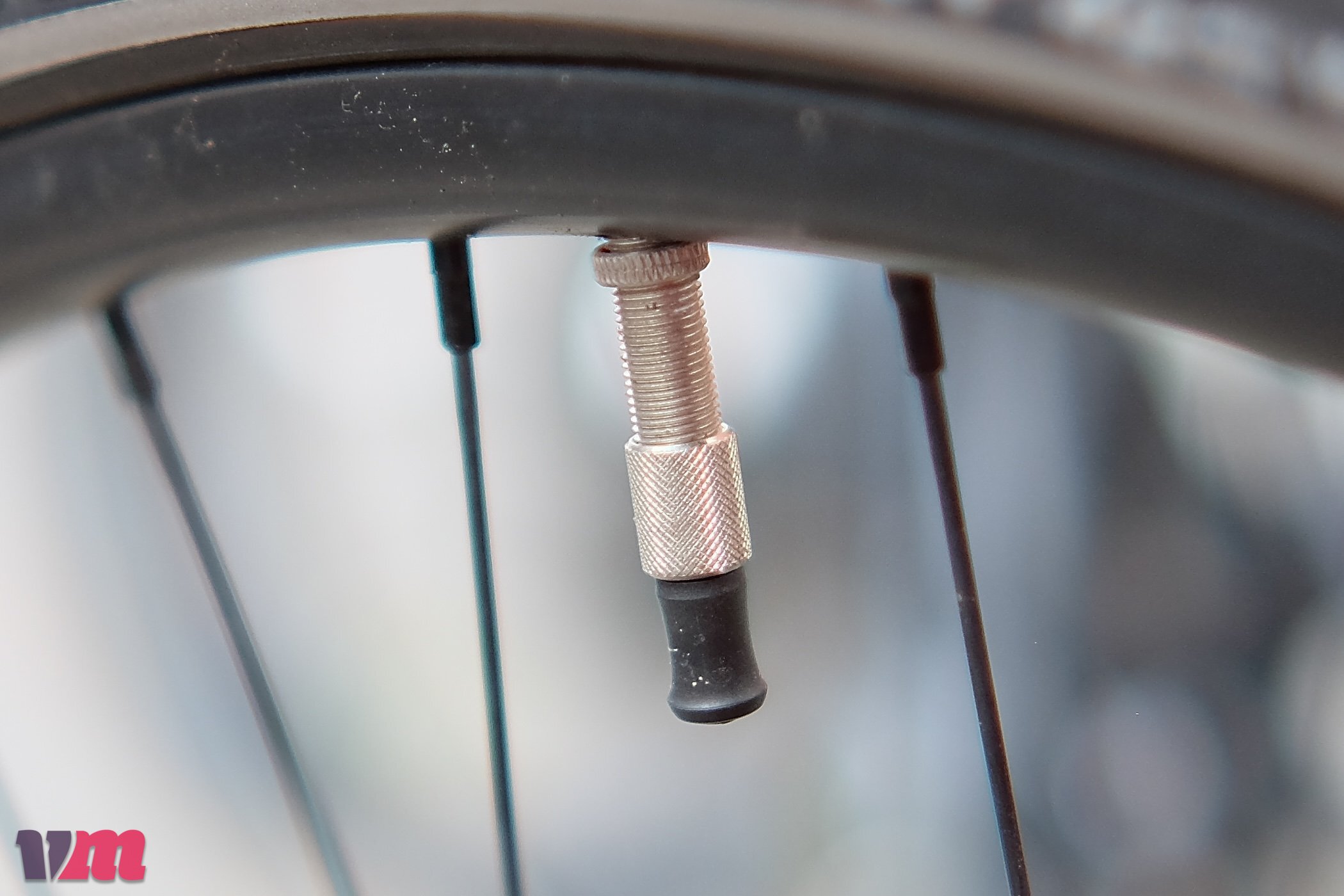
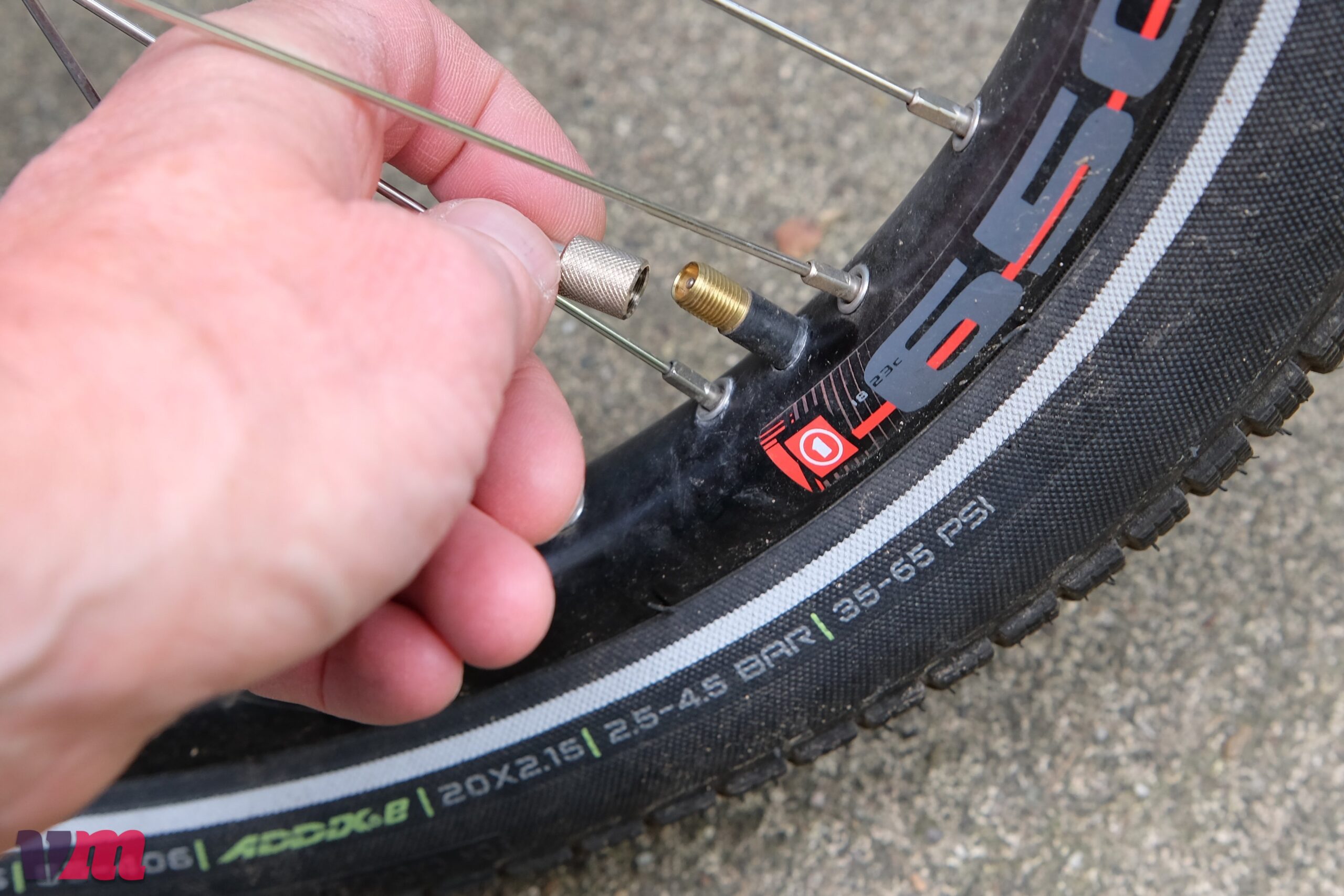
In terms of handling, the new system scores highly in every respect – but it becomes even more interesting because it can replace all three common valve types. Schwalbe offers its SCV not only as a valve insert for Presta valve stems, but also as a replacement for Dunlop valves and as an adapter for Schrader valves. Anyone converting their fleet can easily and quickly inflate any bicycle tire with a click valve and no longer has to search for a suitable pump. The problem of worn-out rubber seals on the pump head is also a thing of the past.
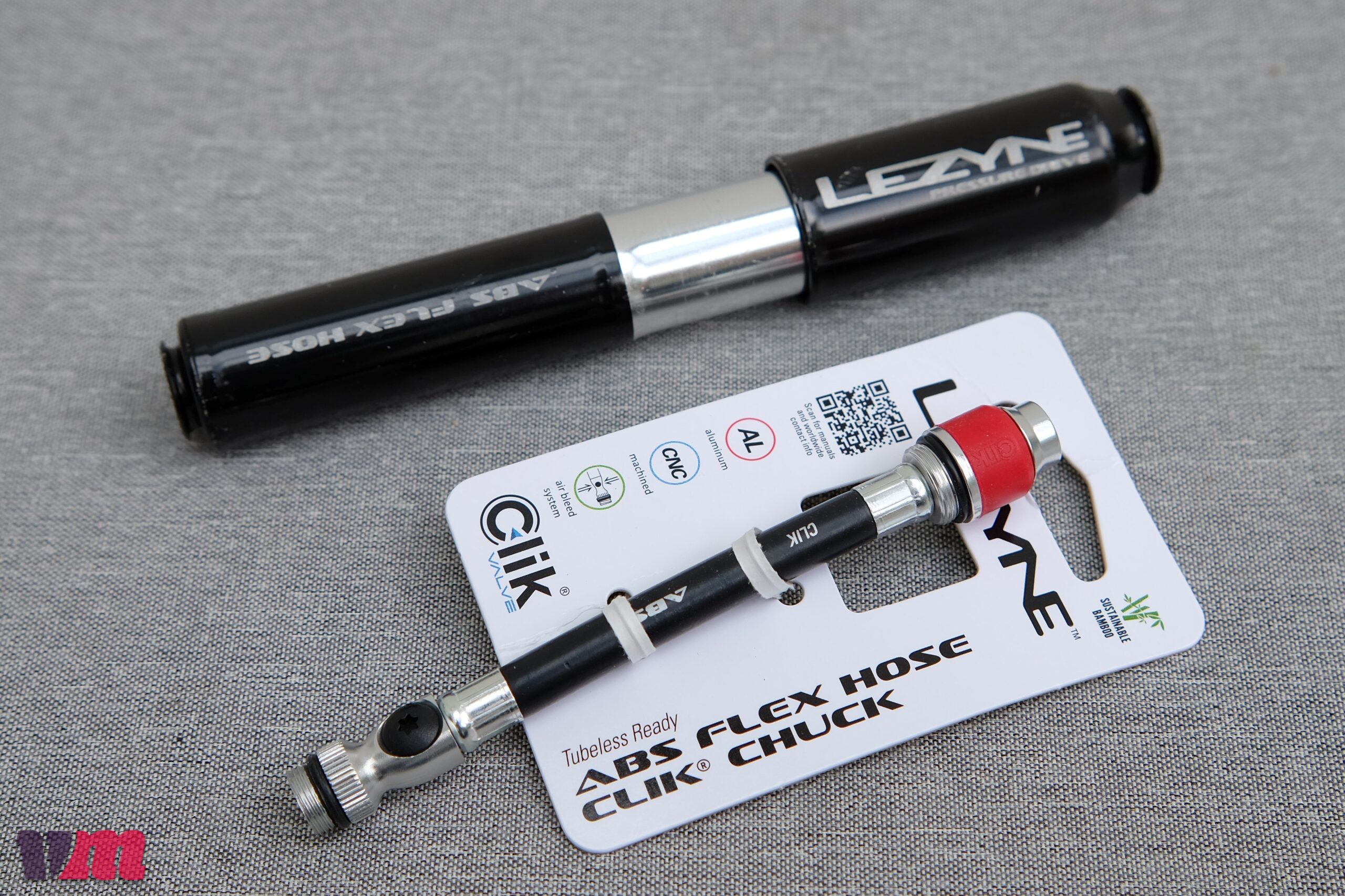
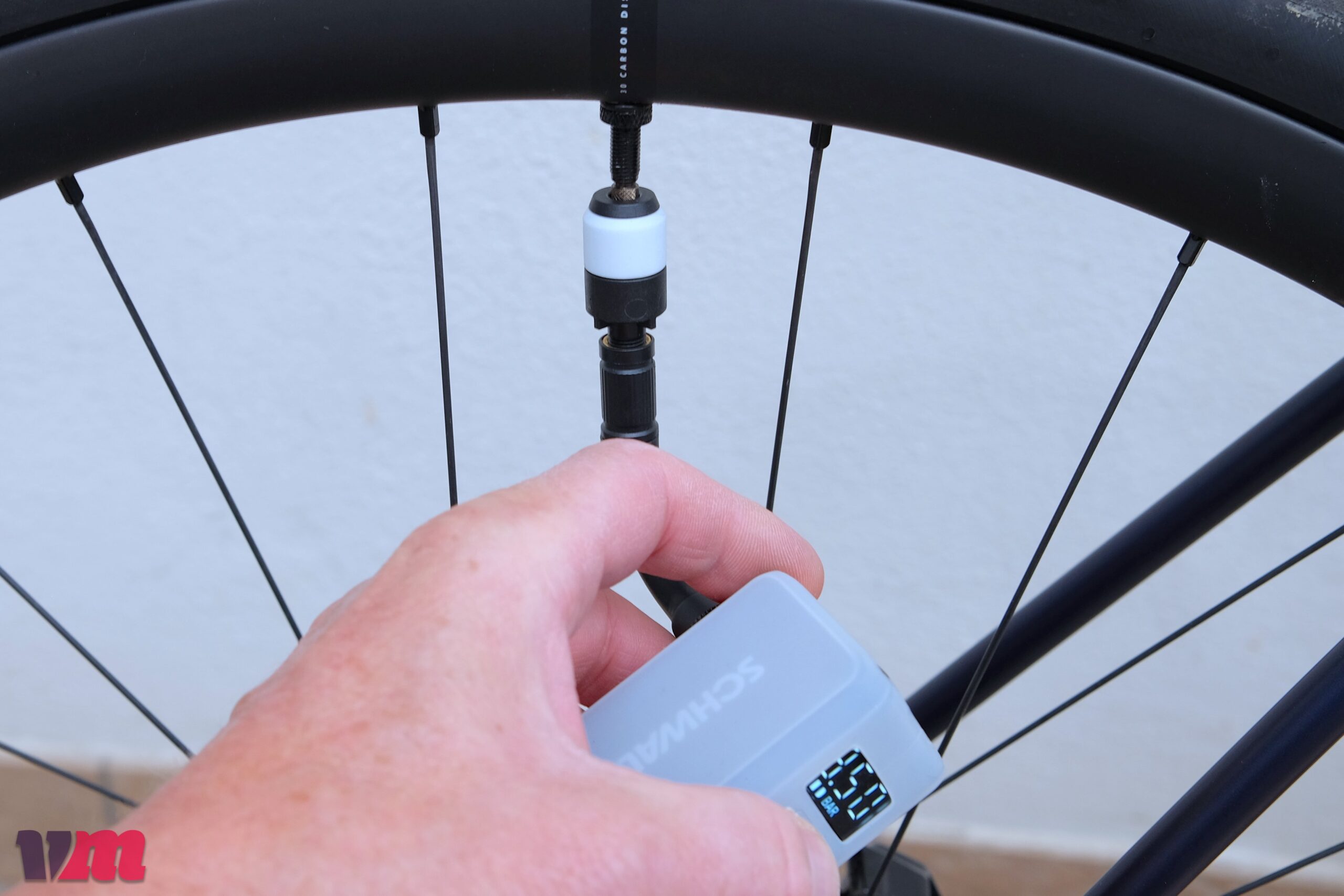
A wide range of accessories for click valves
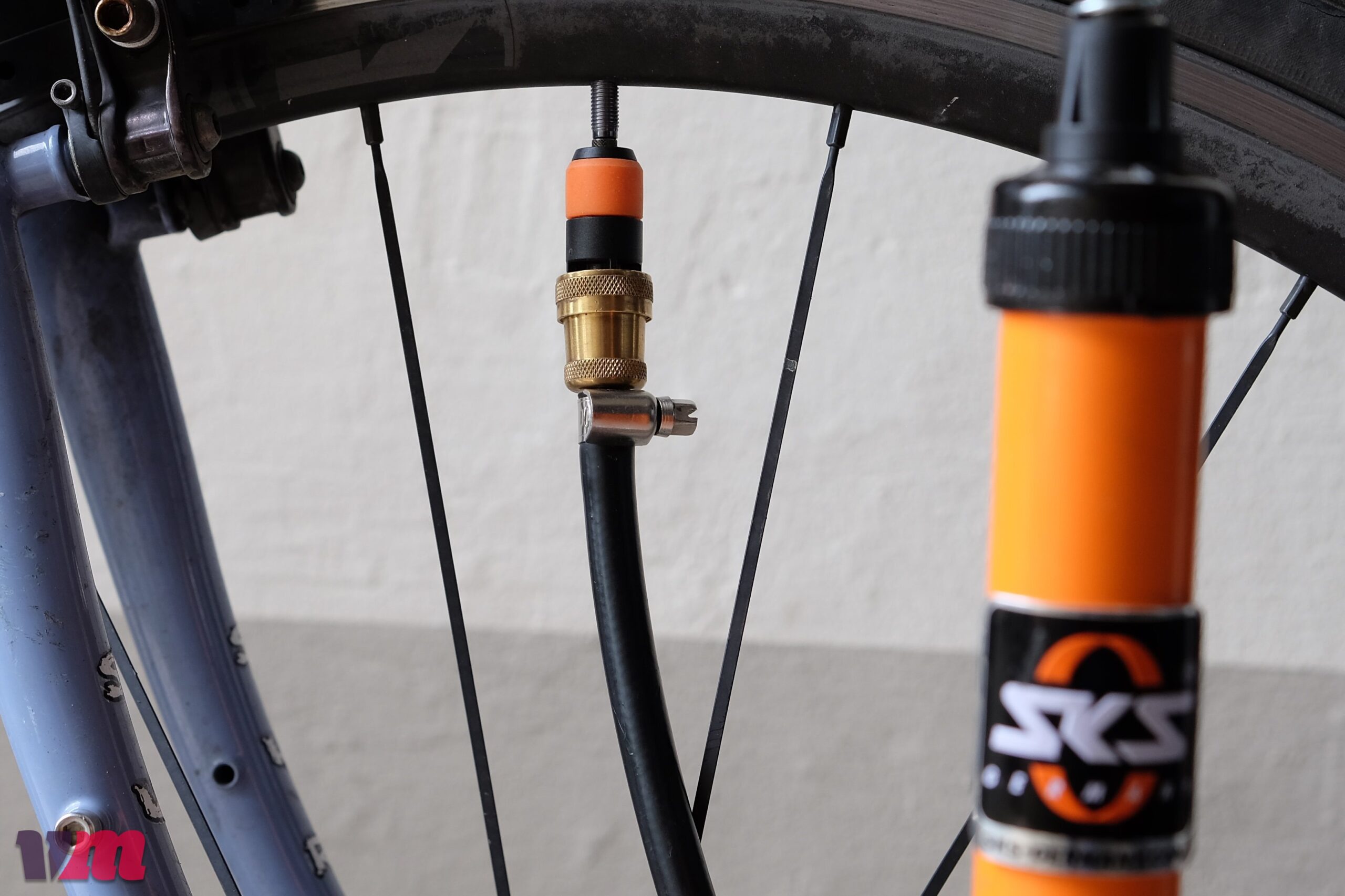
Inflating your bicycle tires at a gas station doesn't work with the SCV adapter – its threaded shaft is too narrow for the attachment designed for Schrader valves. But this is where the accessories industry comes in, having been quite active in the two years since the introduction of the Schwalbe Clik Valve. Wolf Tooth from the USA, for example, manufactures a special Schrader-to-SCV adapter that solves this gas station problem. And pump specialists like Lezyne and SKS have also adapted to the new system – existing Lezyne mini-pumps can be upgraded to the latest standard with an SCV hose.
Is converting to the Schwalbe Clik Valve expensive? It starts with a "Conversion Kit," consisting of two valve inserts and the pump head adapter, which Schwalbe offers in the Presta version for just under €14. The adapter alone costs €7,95; a set of valves is available from €5,95. The version for Schrader valves is significantly more expensive at just under €10. Schwalbe also already offers inner tubes with the new valve; these cost from around €10.
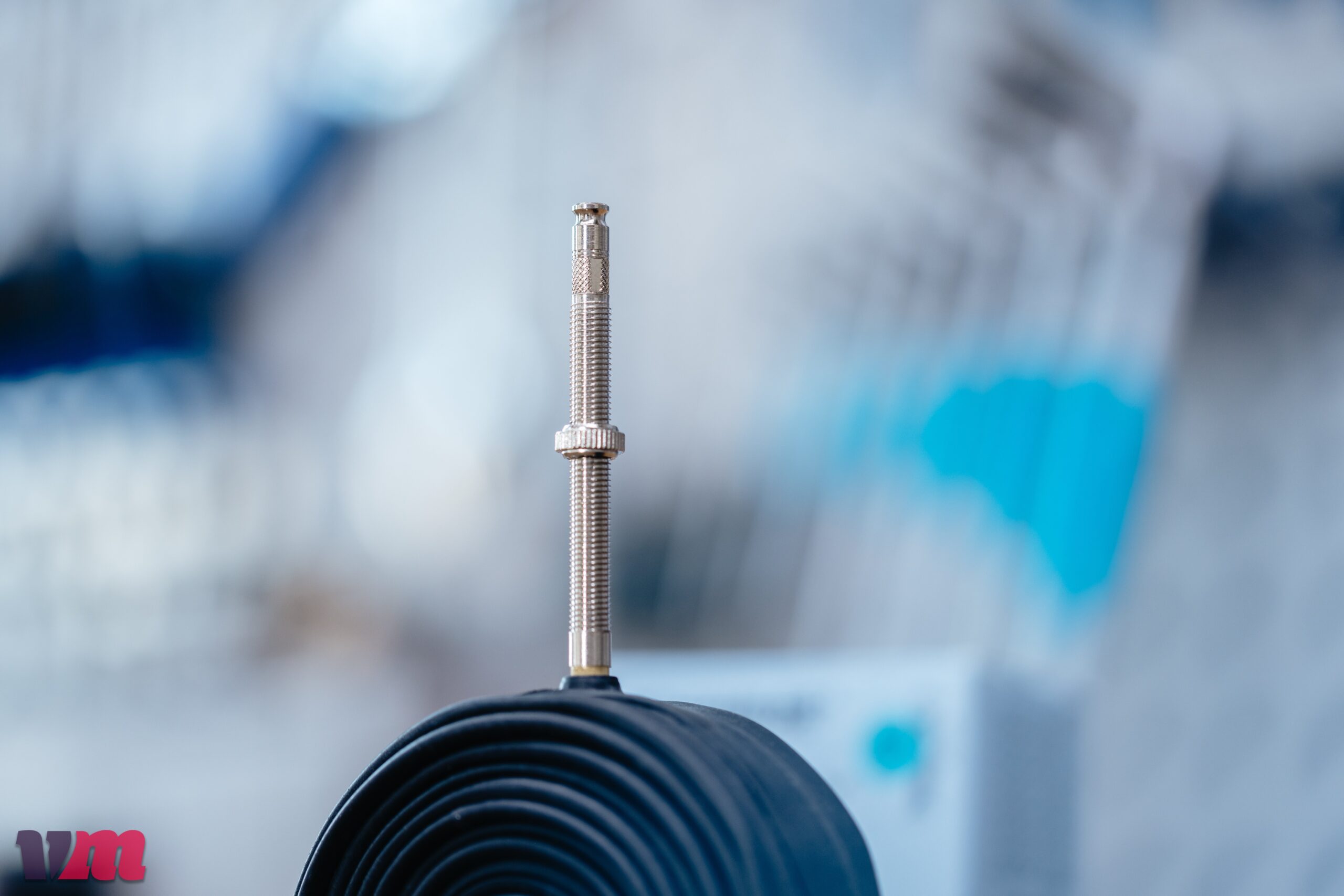
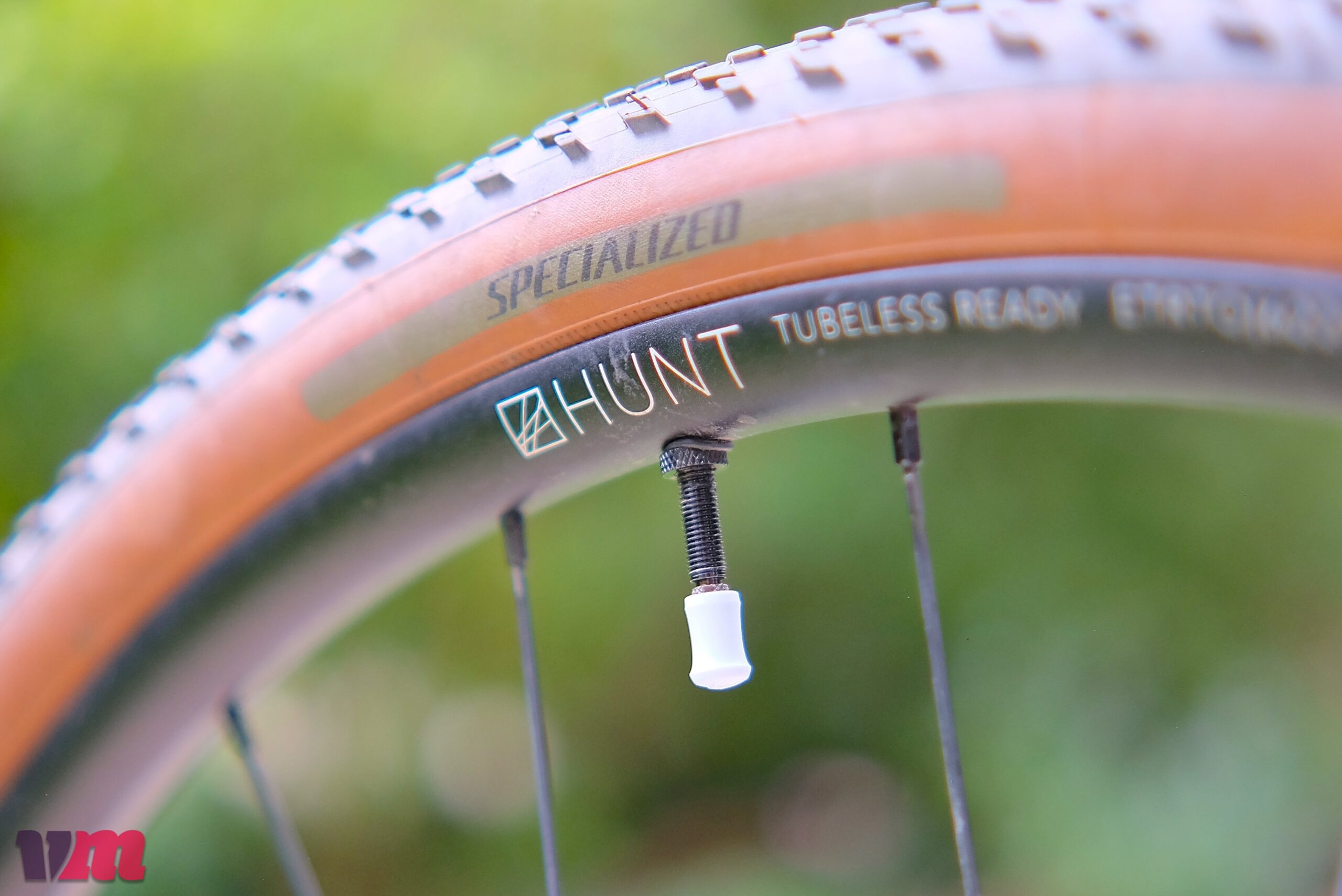
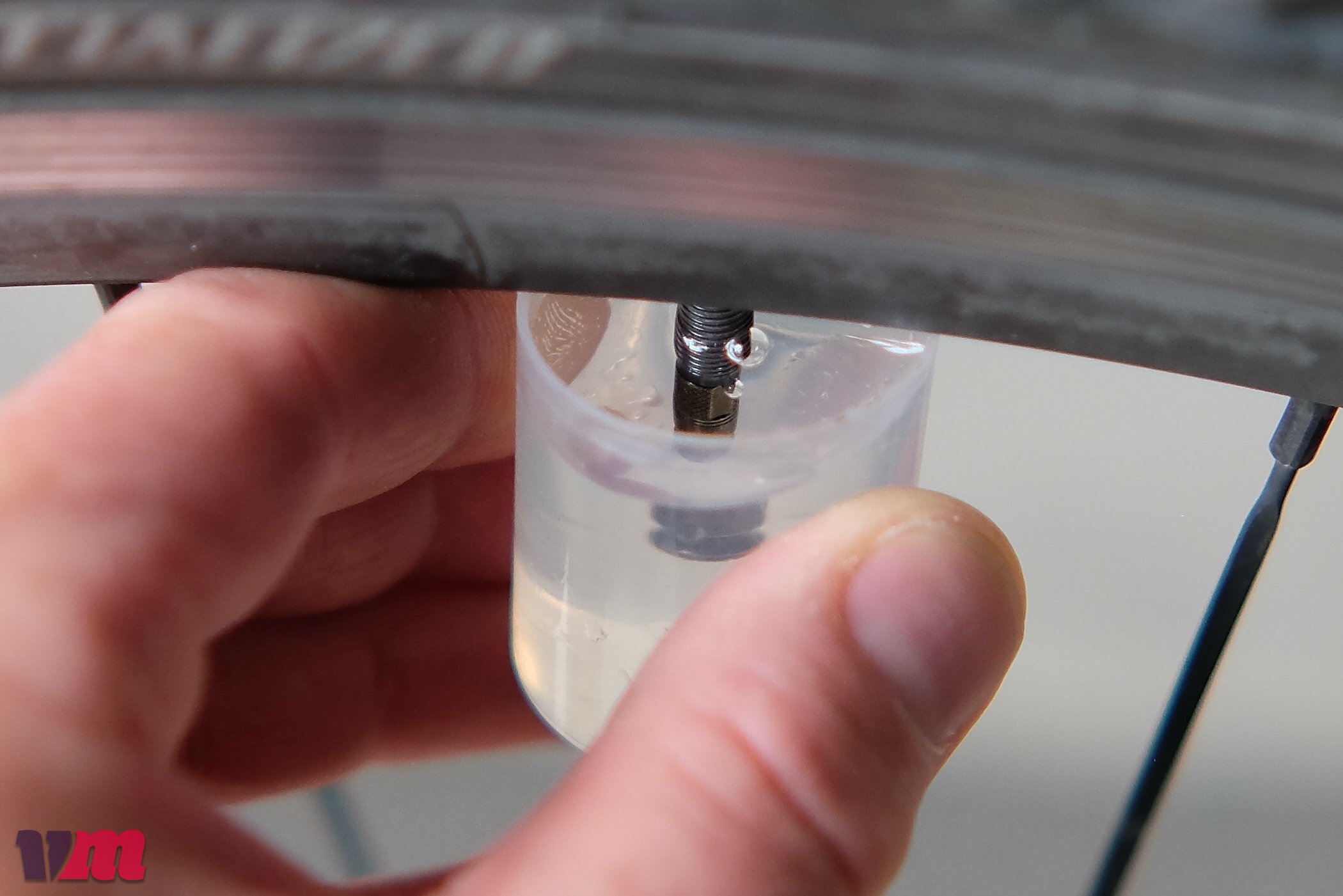
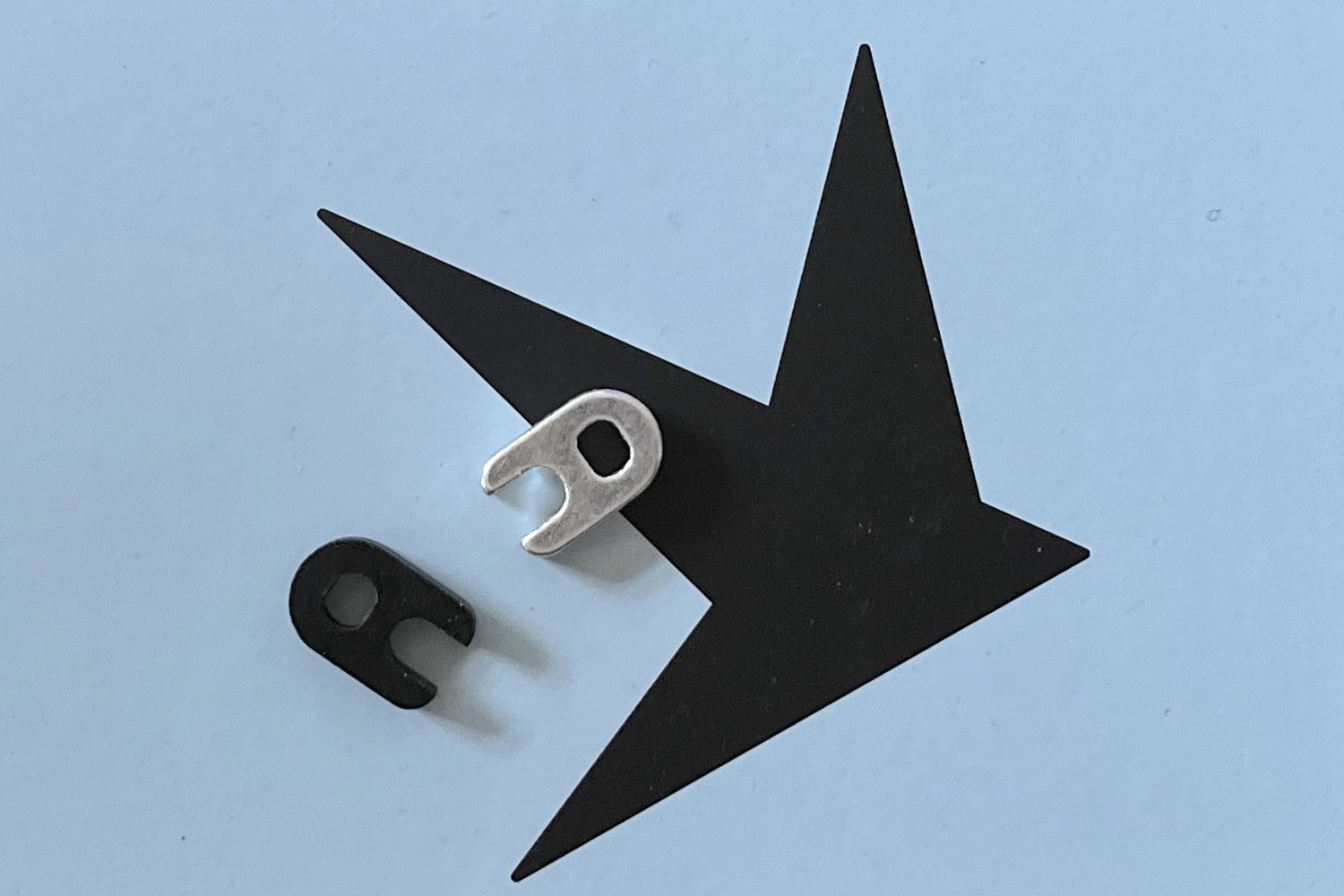
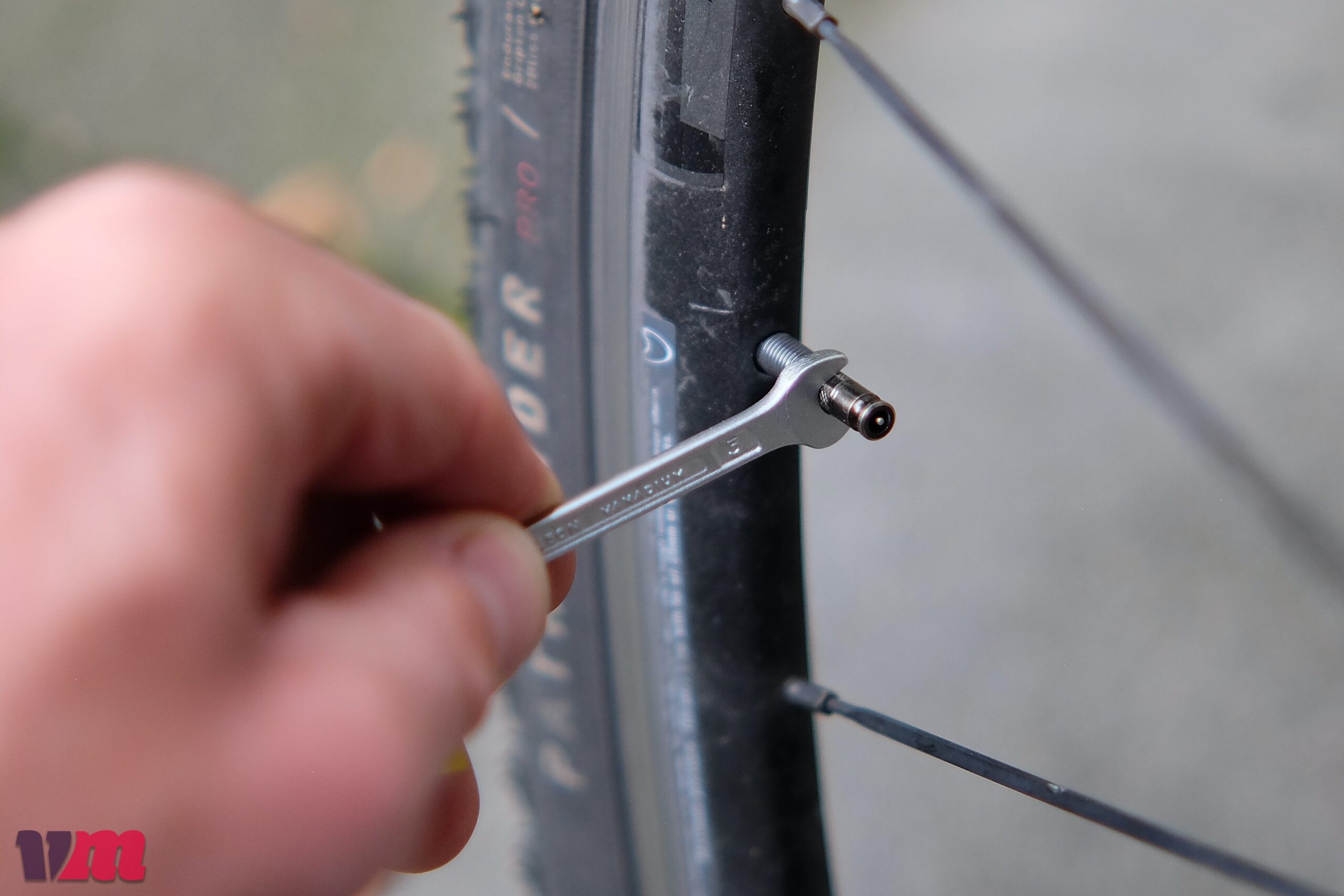
Schwalbe has now also supplied a small item that was previously missing from the Clik Valve system: a metal valve wrench. The small plastic tool that was previously included with the new valves, and which is already familiar from the French valve system, is too soft and doesn't allow the SCVs to be screwed in more than hand-tight. If this happens, air can escape through the threads. If this occurs, you should apply some grease to the threads of the valve core and use the new aluminum version of the wrench. A 5 mm open-end wrench will also work, although you might accidentally hit the spokes with it.
Still insufficient demand in the trade
After two years on the market (and on bicycles), it can be said that the Schwalbe Clik Valve works exceptionally well and offers advantages on virtually any bike. It's not yet particularly widespread, even though some bicycle manufacturers are now delivering their bikes equipped with the SCV. If you ask about the new valve in a bike shop, you'll often hear: out of stock, no demand. Yet, retailers are likely to benefit from this universal valve in the long run, as currently, inner tubes not only have to be stocked in a wide variety of sizes but also with all three valve types. So, anyone who wants to try the Clik Valve should definitely visit their local bike shop and raise awareness of this new technology.
Even if you buy the parts there at the official retail prices, switching to the new standard isn't excessively expensive, and anyone who starts with one bike as a trial could quickly become "addicted" and convert their entire fleet. After all, what's better than a slightly tedious routine suddenly becoming so much easier?