


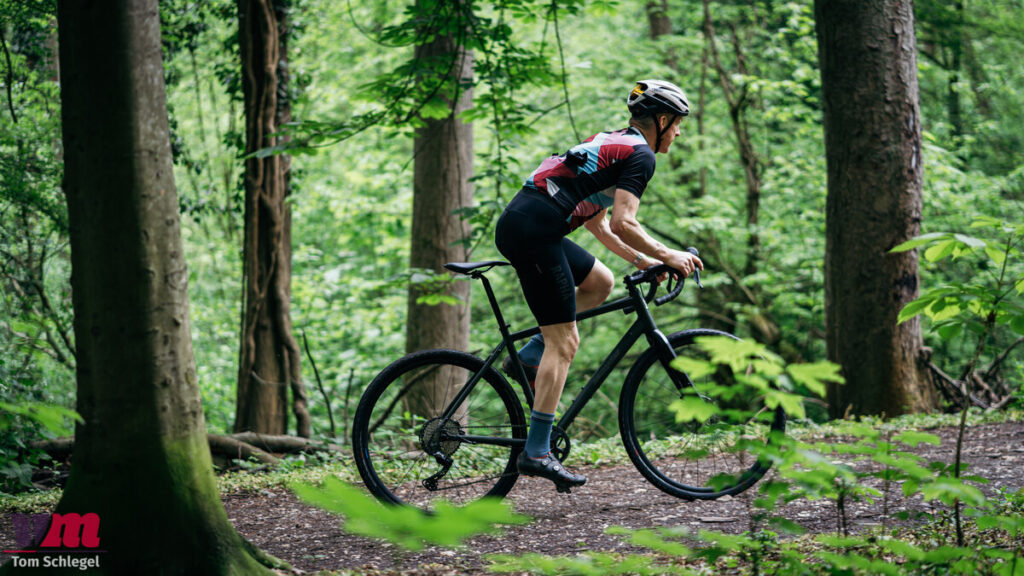
Best list Gravel Allround: Off-road racer for every purpose
Best list Gravel Allround: The gravel bikes in the middle are neither trail-oriented nor extremely sporty. They offer numerous options and are quite complex, as the tests from Velomotion.de show. We explain what this category is all about and where there are similarities and differences.
The specialization does not stop at the gravel bike: Many manufacturers now offer MTB-like models with suspension forks, dropper posts and particularly wide tires; On the other hand, more and more gravel bikes are looking to join forces with racing bikes with a stretched sitting posture, a strong elevation between saddle and handlebars and limited options for attaching bags or accessories.
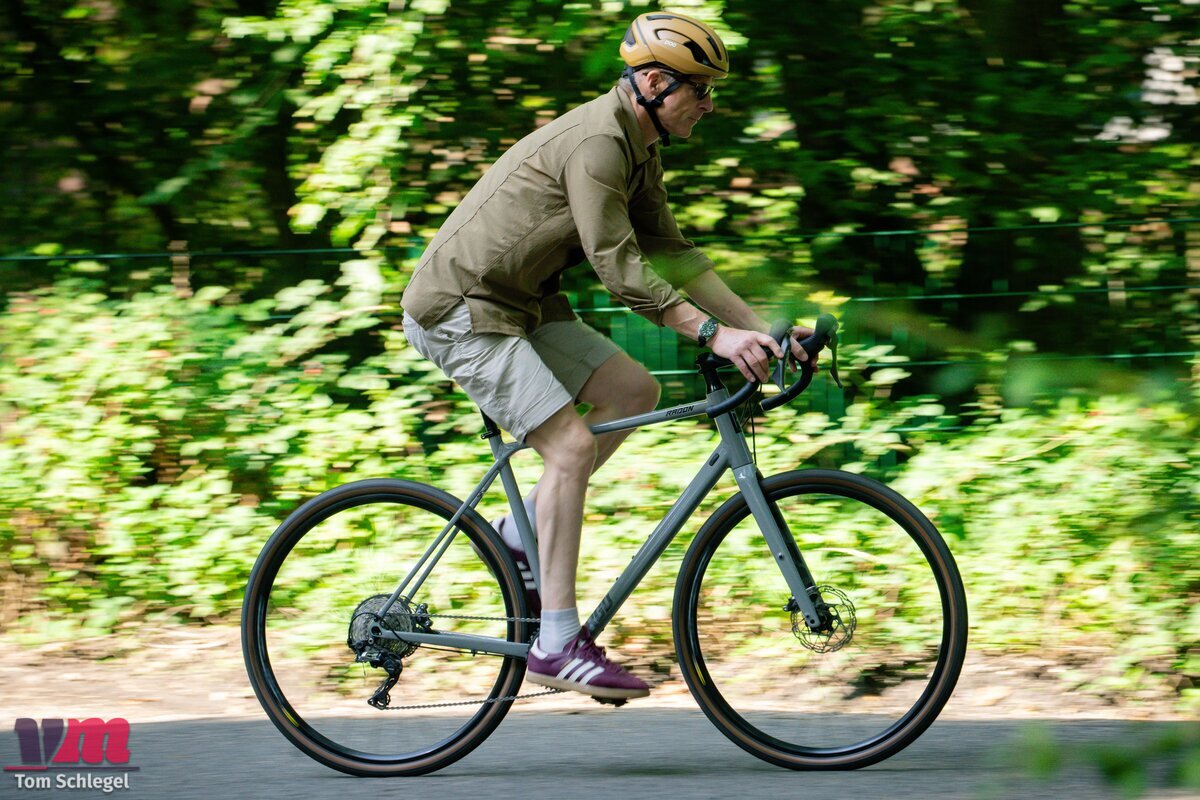
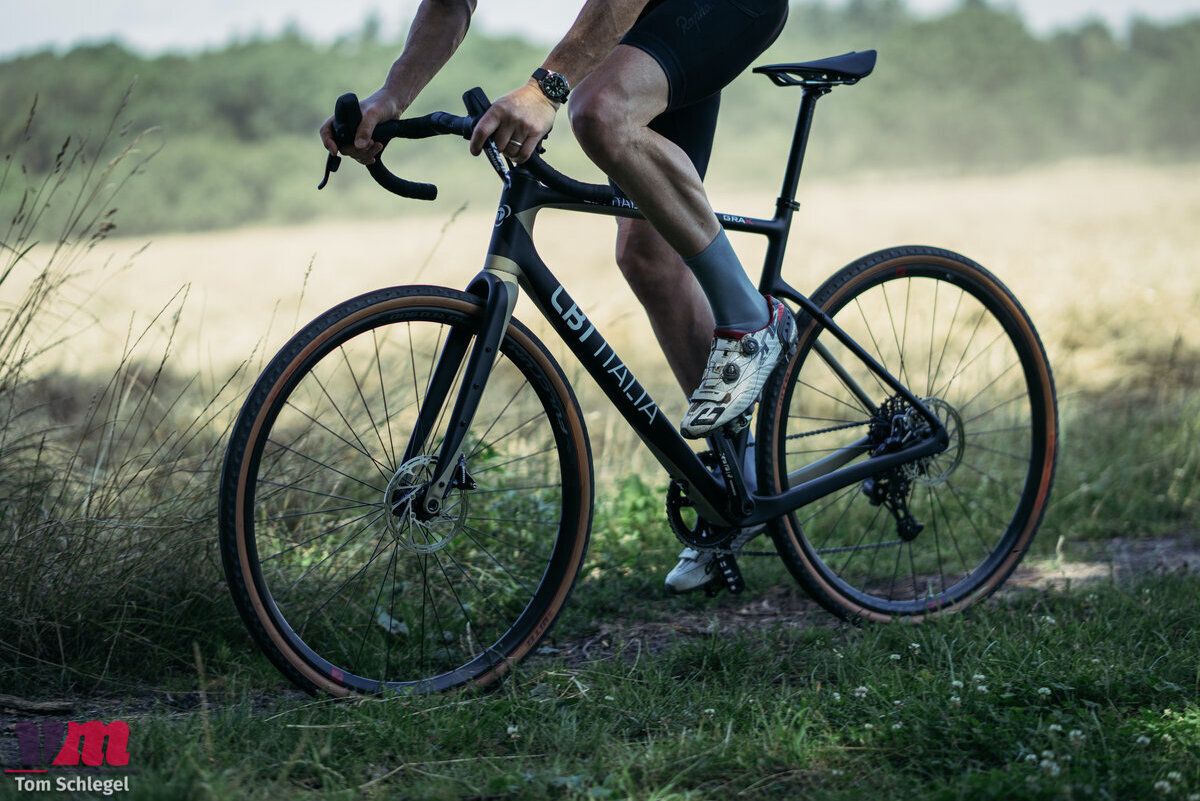
Despite this polarization, there is still a broad and quite diverse middle – gravel bikes for travel, tours and everyday life. They are models that differ from each other in many details, but of course also have similarities. This includes (at least in our opinion) first of all not using suspension components, because you really only need them on a gravel bike for intensive trail use. Then an all-rounder should enable the installation of mudguards and carrier systems and have the appropriate threaded holes.
Gravel all-round: Balanced geometry with differences
Another common feature of all-road gravel bikes is a well-balanced geometry that avoids extreme deviations in either direction. Unlike trail models, "standard" gravel bikes are designed for use with standard stem lengths; the front end of the frame, and therefore the reach, is not as long as on a trail gravel bike. While the latter typically has a head tube angle of around or below 70°, a standard angle of 71-72° is typical for a regular gravel bike. Compared to a race gravel bike, the riding position is more upright, due to the slightly longer head tube.
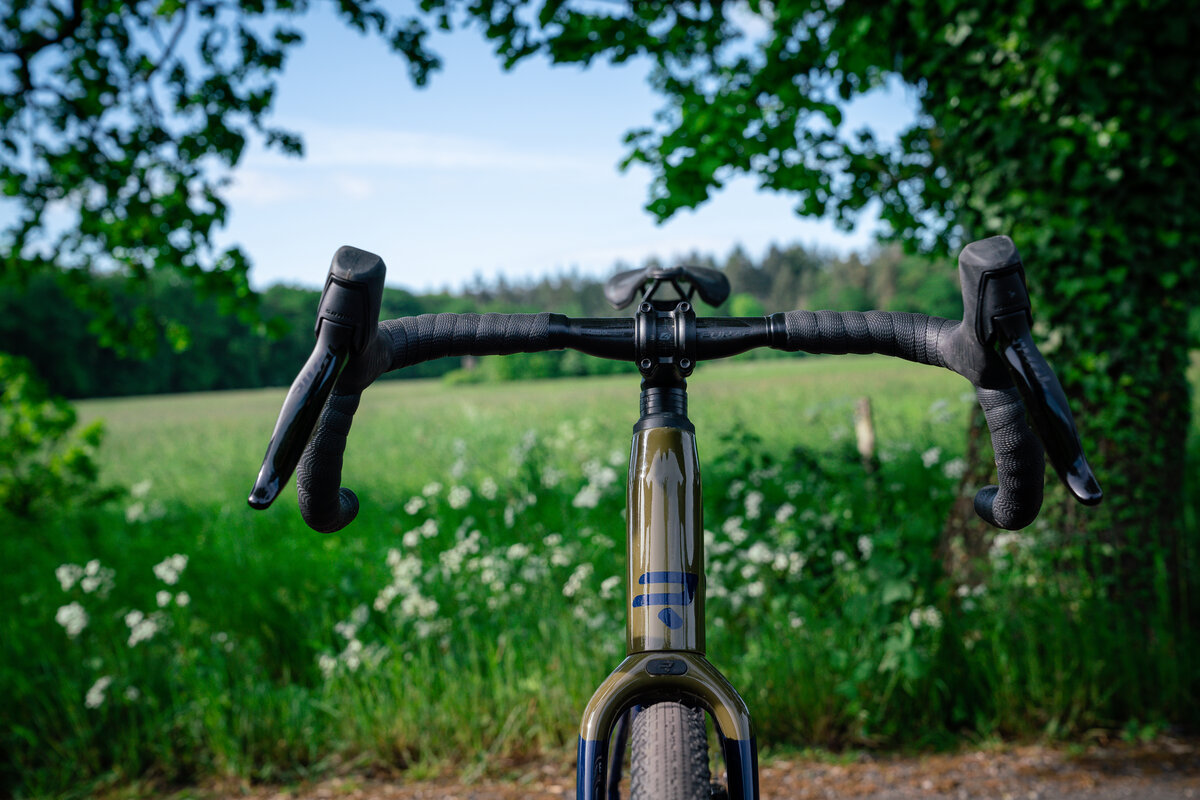
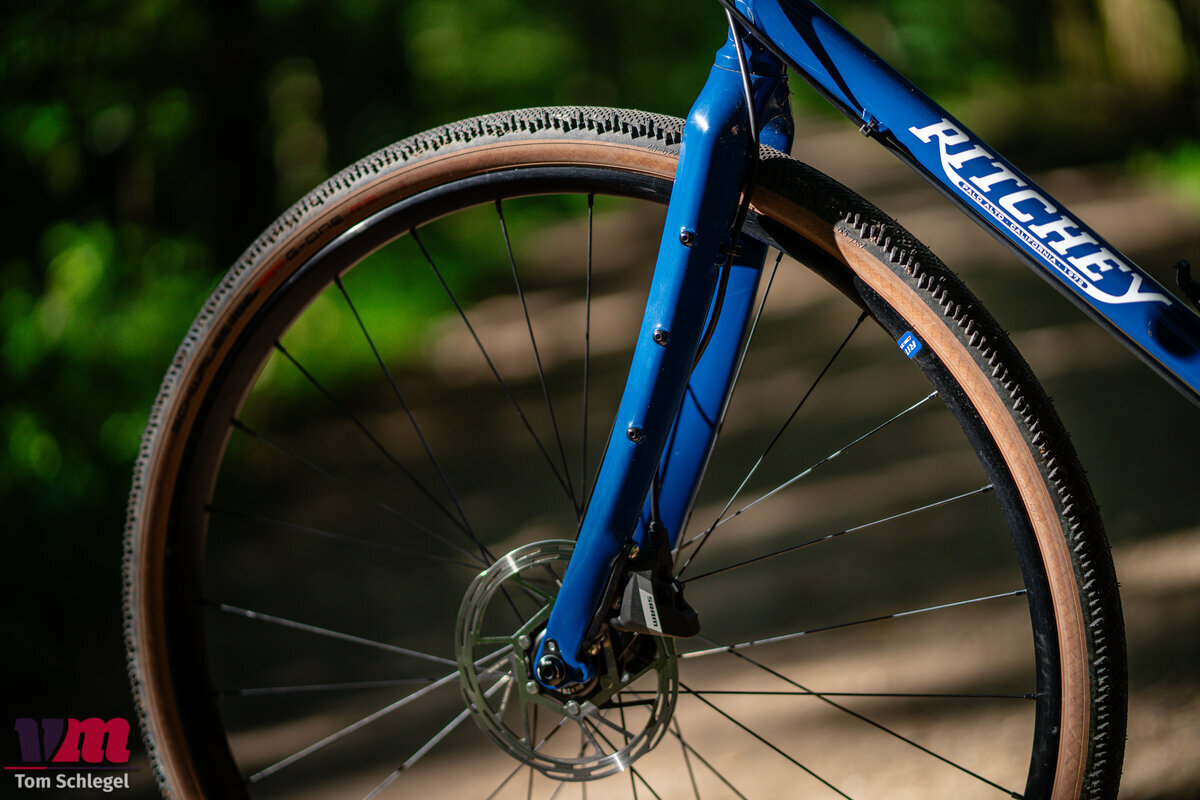
The steering angle: Neither very flat nor very steep
Depending on the stem length and angle and the number of spacers underneath it, the sitting posture on the all-round gravel bike can of course be individually adjusted and made more sporty or more comfortable. In this respect too, the “middle” of gravel bikes is extremely versatile. There are manufacturers who tailor their all-rounders to be more comfortable with a compact, upright sitting position, for example for use as a fast commuter bike. It is always advisable to take a look at the geometry table or try it out in the bike shop.
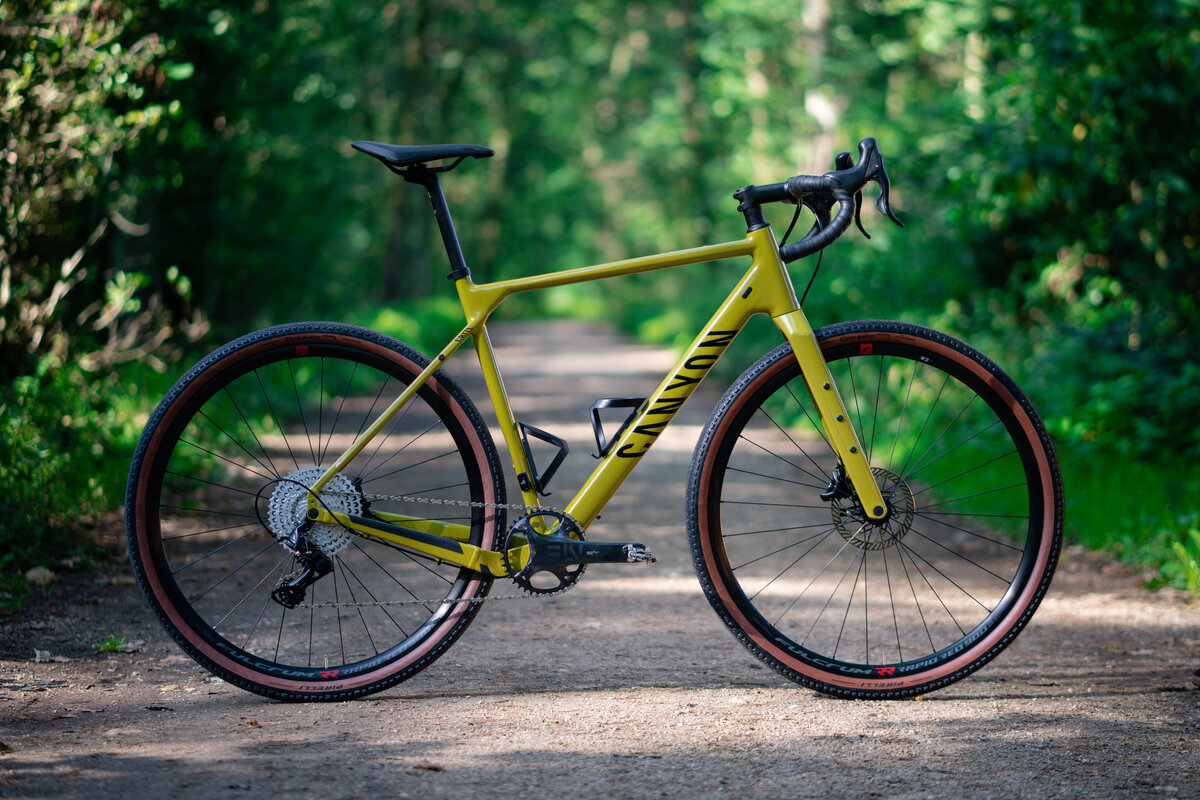
No disadvantage with an aluminum frame
The range of materials is vast. While gravel race bikes are often made of carbon fiber , naturally because they need to be lightweight, titanium and steel are also common in the all-round category. And of course (as everywhere else), there's aluminum, which, as a more affordable alternative to carbon frames, is usually found on mid-range models. Since such bikes are generally more attractive in terms of value for money than carbon versions, they are much more than just a cost-saving measure: With the same component group and similar wheelset, an aluminum bike can easily be a thousand euros cheaper, while perhaps weighing a kilogram more. And while you definitely notice the former in your wallet, the latter is hardly noticeable on the trail.


The circuit: Single or double possible
There are no clear specifications in this segment when it comes to switching either. The different equipment variants that bike manufacturers usually offer usually include models with a mono or double chainring. This way you can choose a bike that suits your individual use: If you primarily ride off-road, choose the “one-by” version; If you also want to use the gravel bike as a racing bike or plan to go on long tours with it, you should use the double chainring, which offers a slightly larger range of gear ratios with a narrower gradation at the same time. The matter is quite clear when it comes to tires: Typically, tires around 40 mm wide are installed, although the trend among many wheel manufacturers is towards 45 mm. Pretty much all current gravel bikes offer enough space for such tires.
And what about the purchase amounts? All-round gravel bikes are available in all price ranges. They are in the majority of affordable bikes anyway, as are manufacturers that only offer a single gravel platform. In the higher price ranges, the all-rounders face more and more competition from more specialized trail or race bikes. Incidentally, now is a good time to look for a gravel bike: manufacturers and retailers want to reduce excess capacity, and so you can currently buy one at reasonable prices.
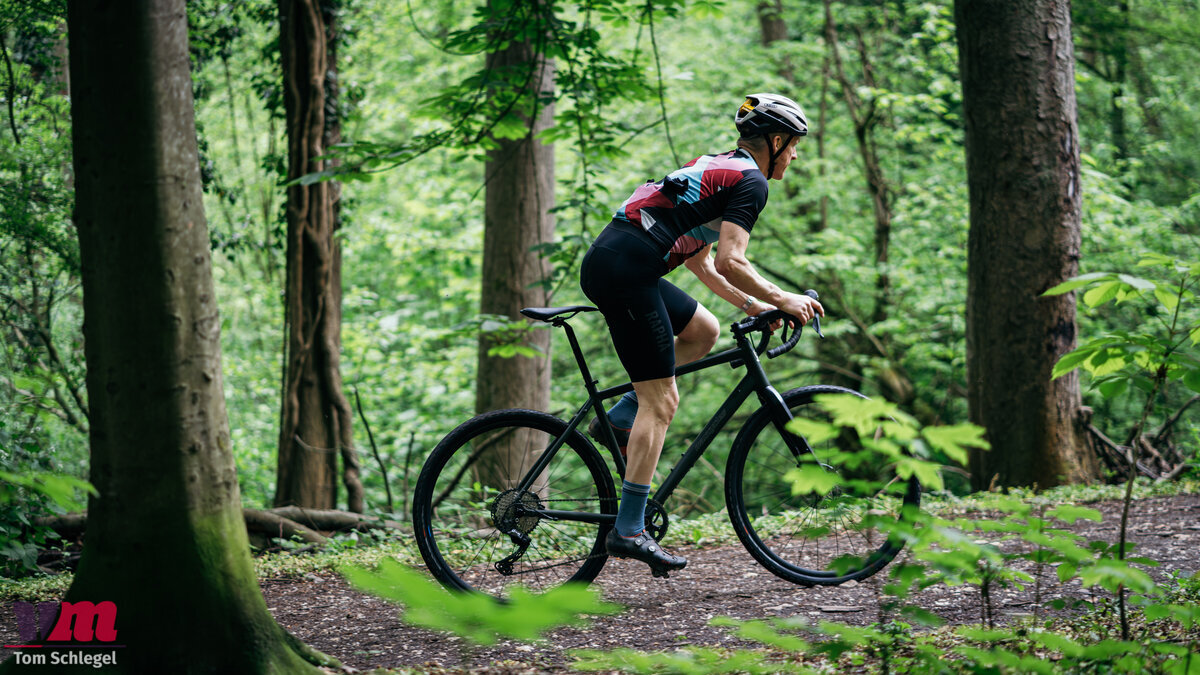
Selected models from the Velomotion test field show how versatile the “Gravel Allround” category is. The spectrum ranges from steel bikes with many attachment options, which can also be ridden in a sporty way, to bikepacking carbon bikes with sporty roots - just a lot of choice in the middle.