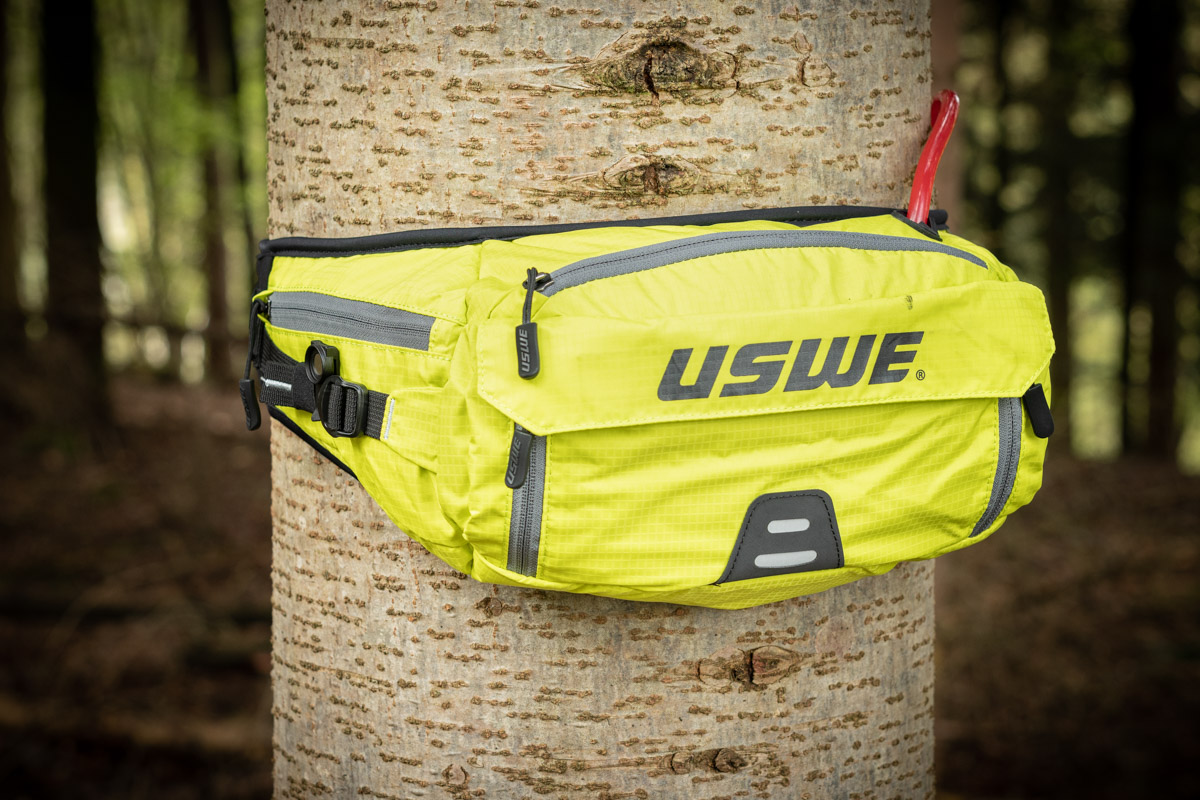
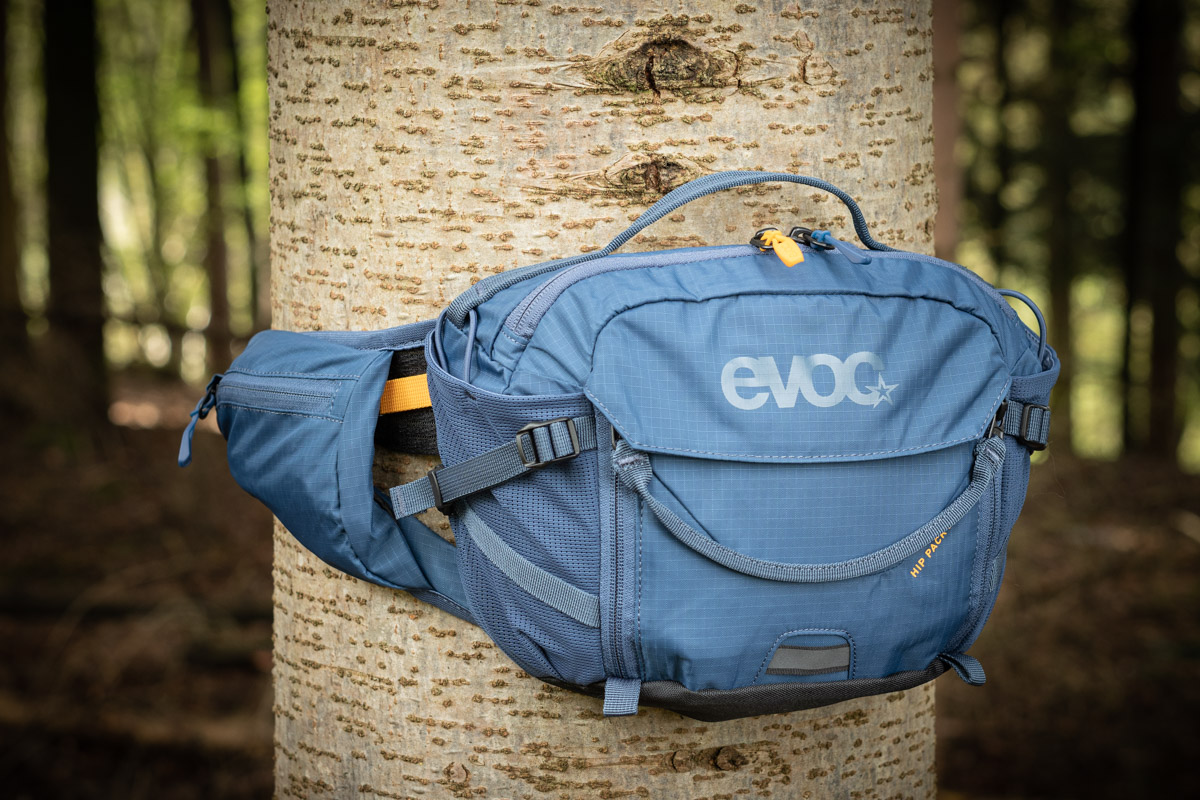
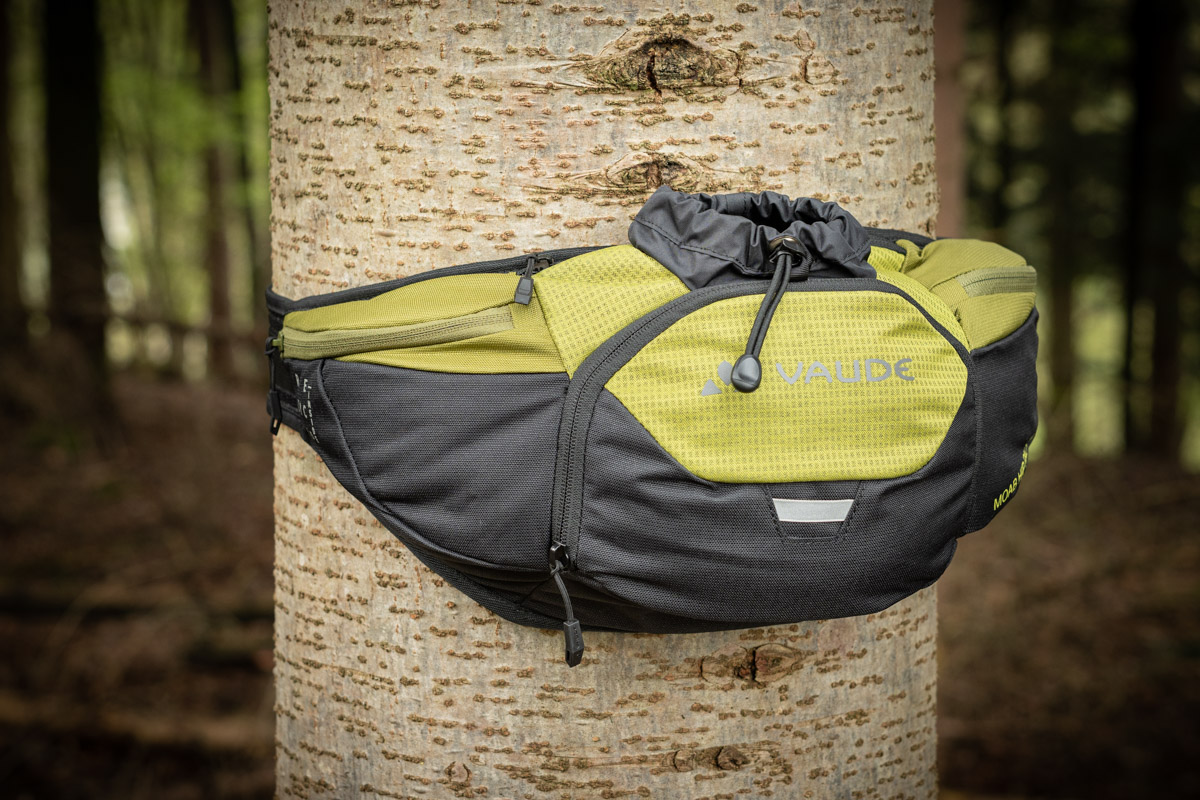
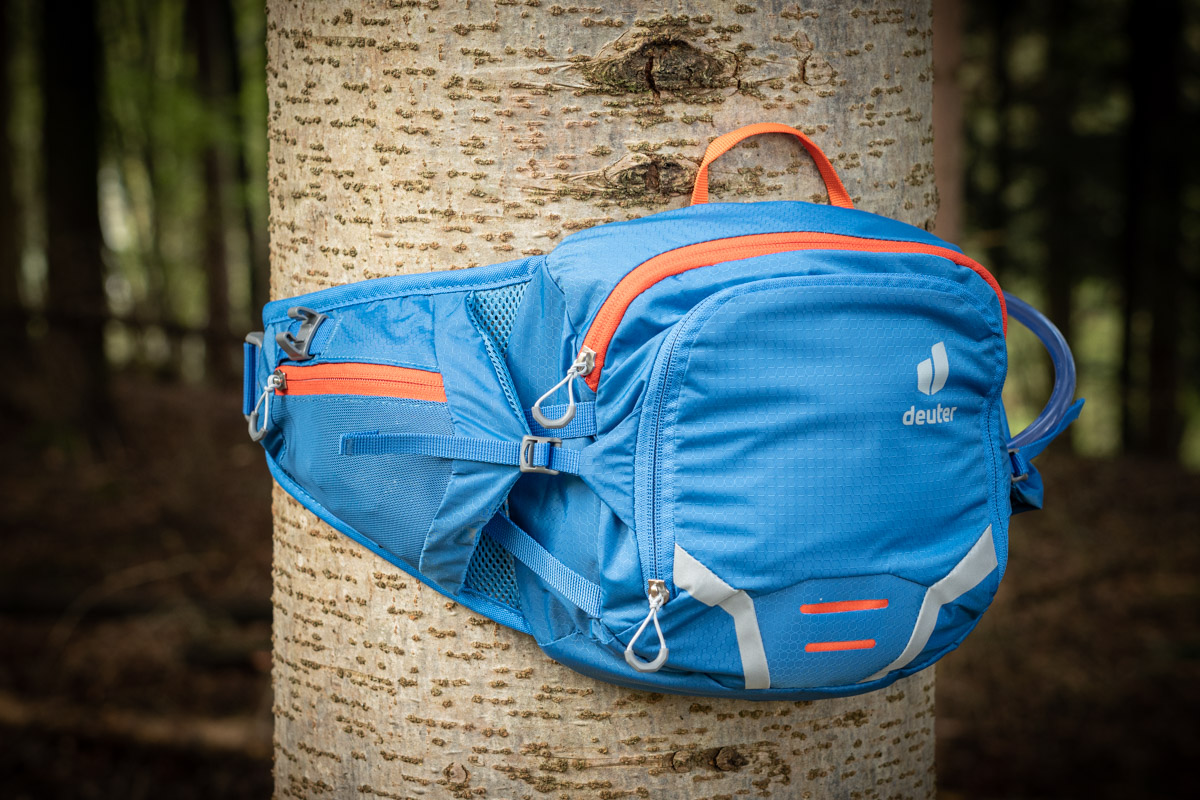
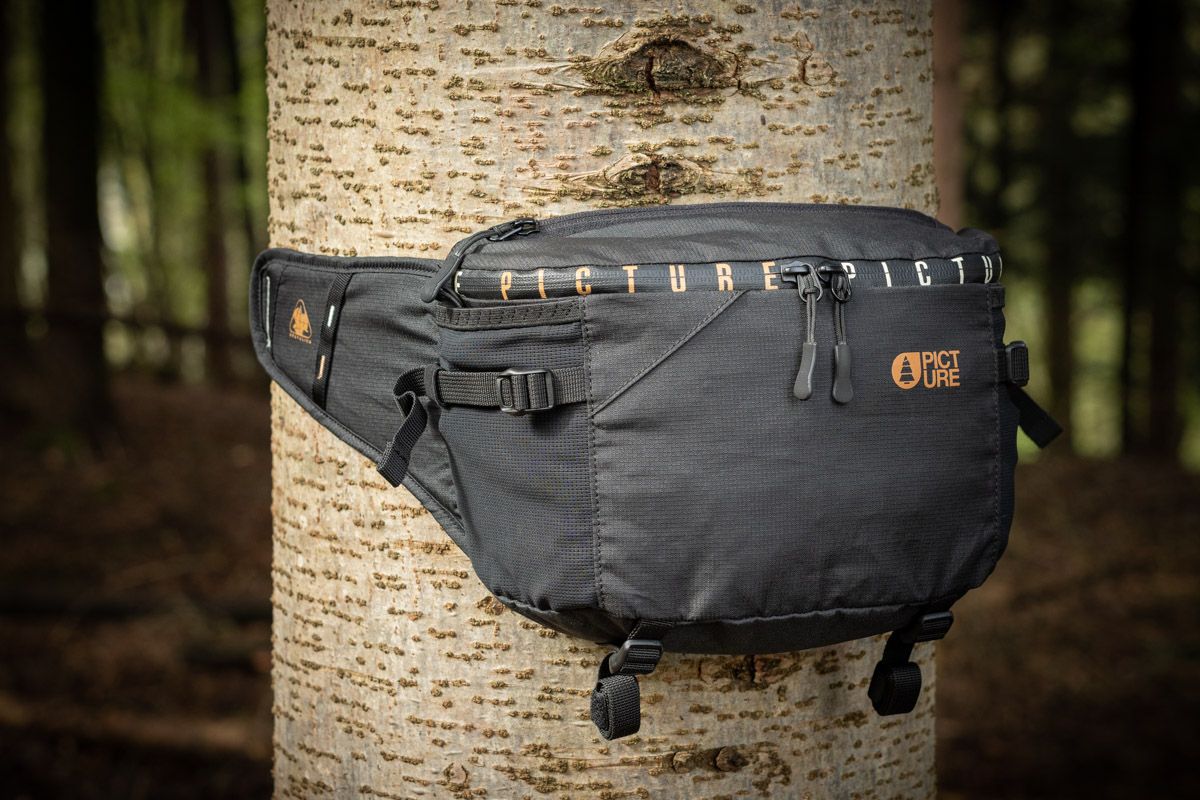
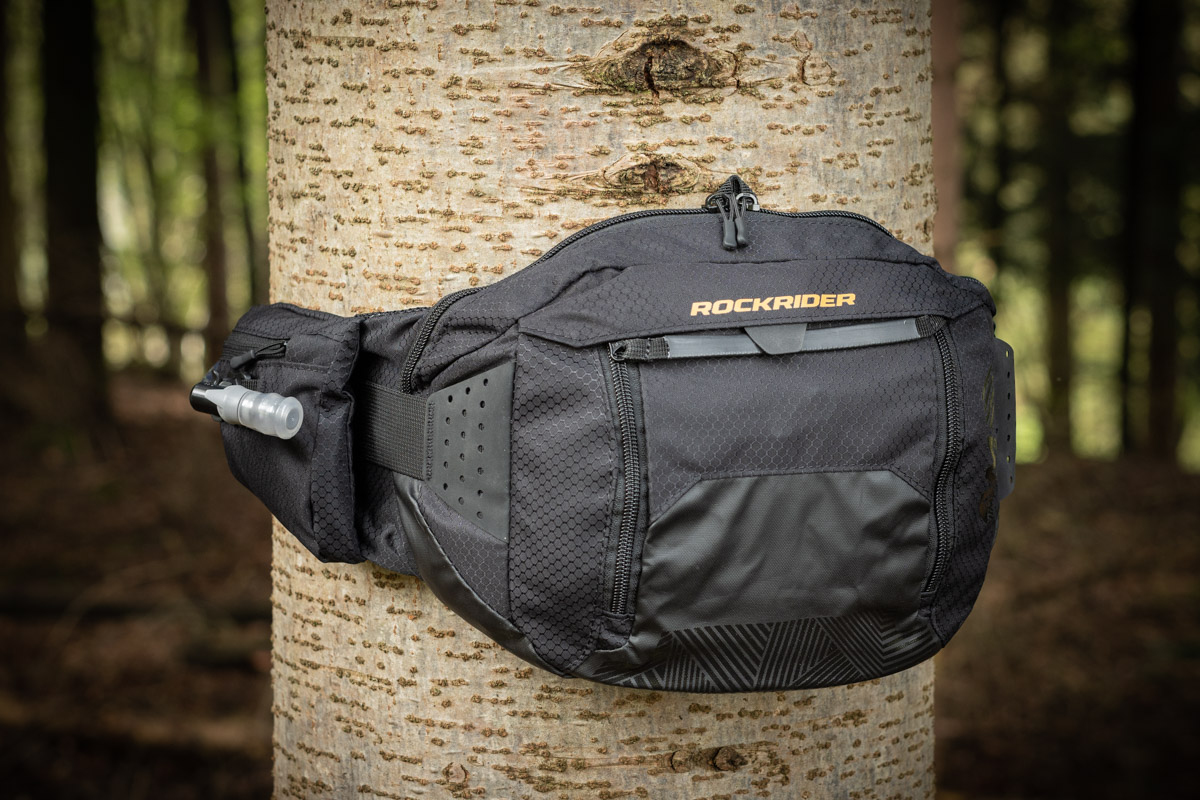
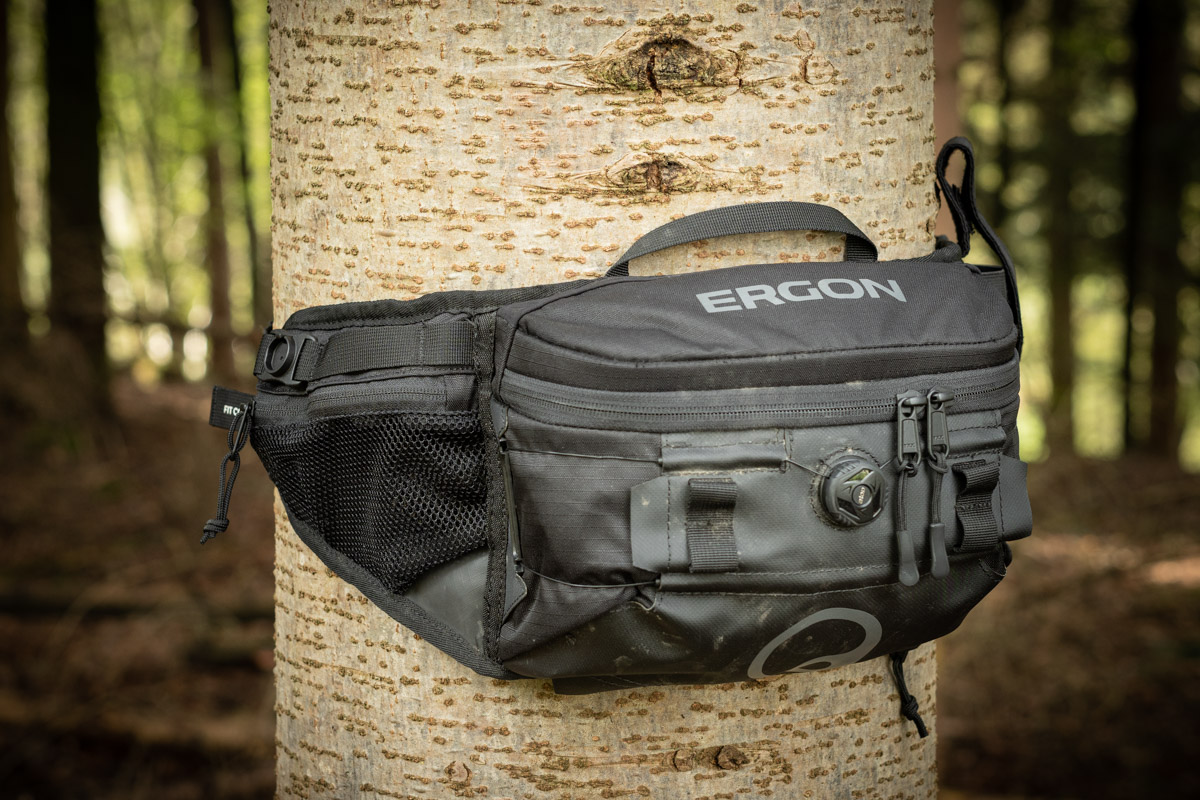
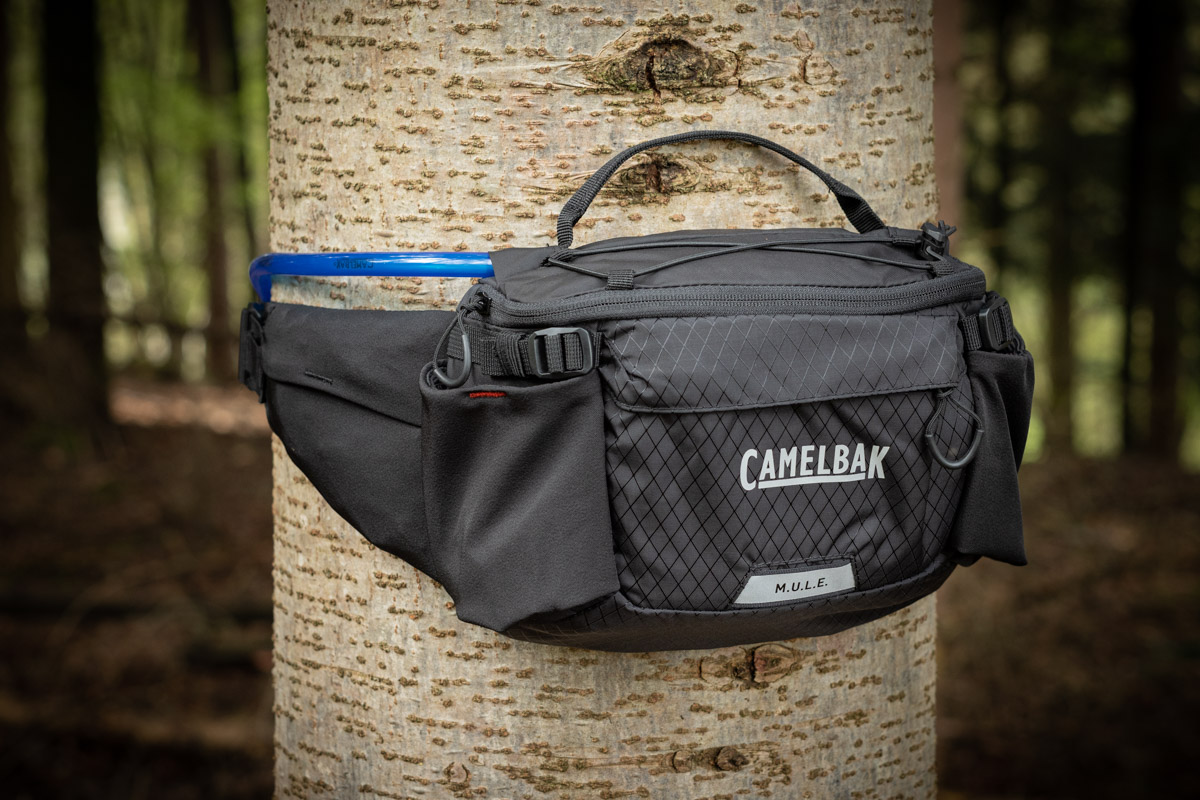
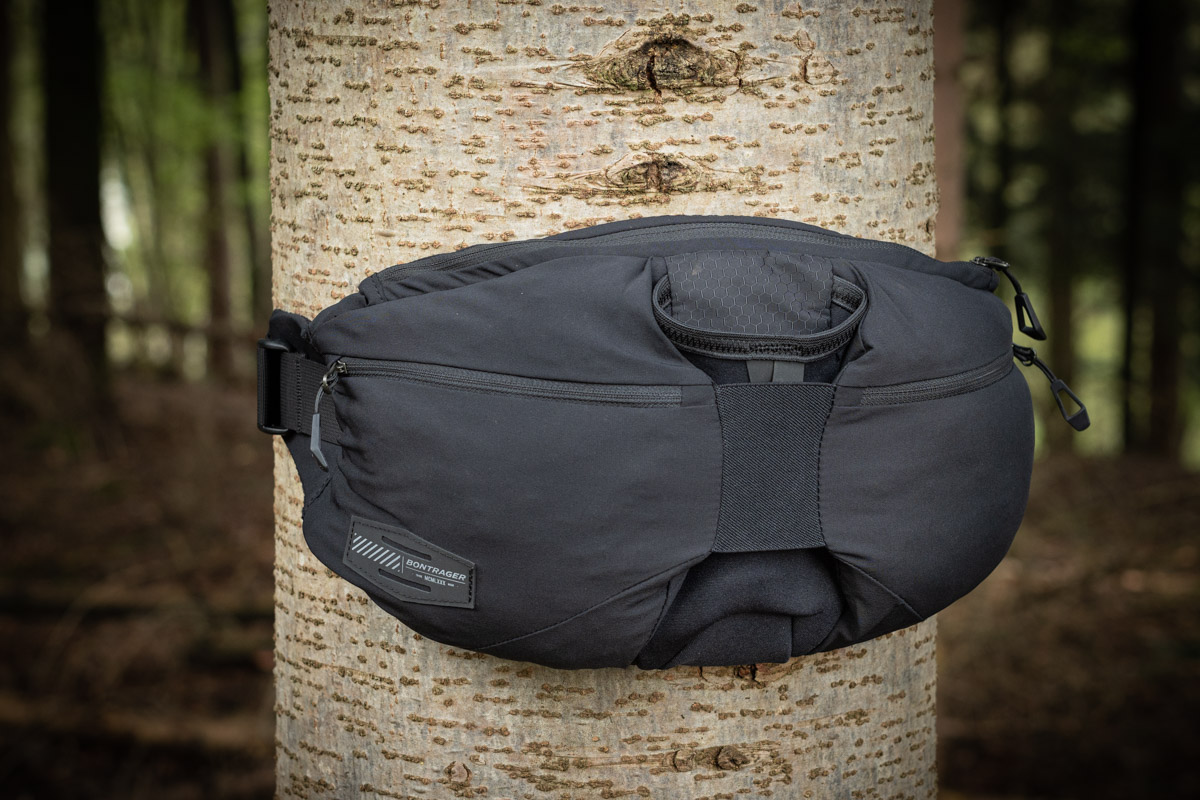
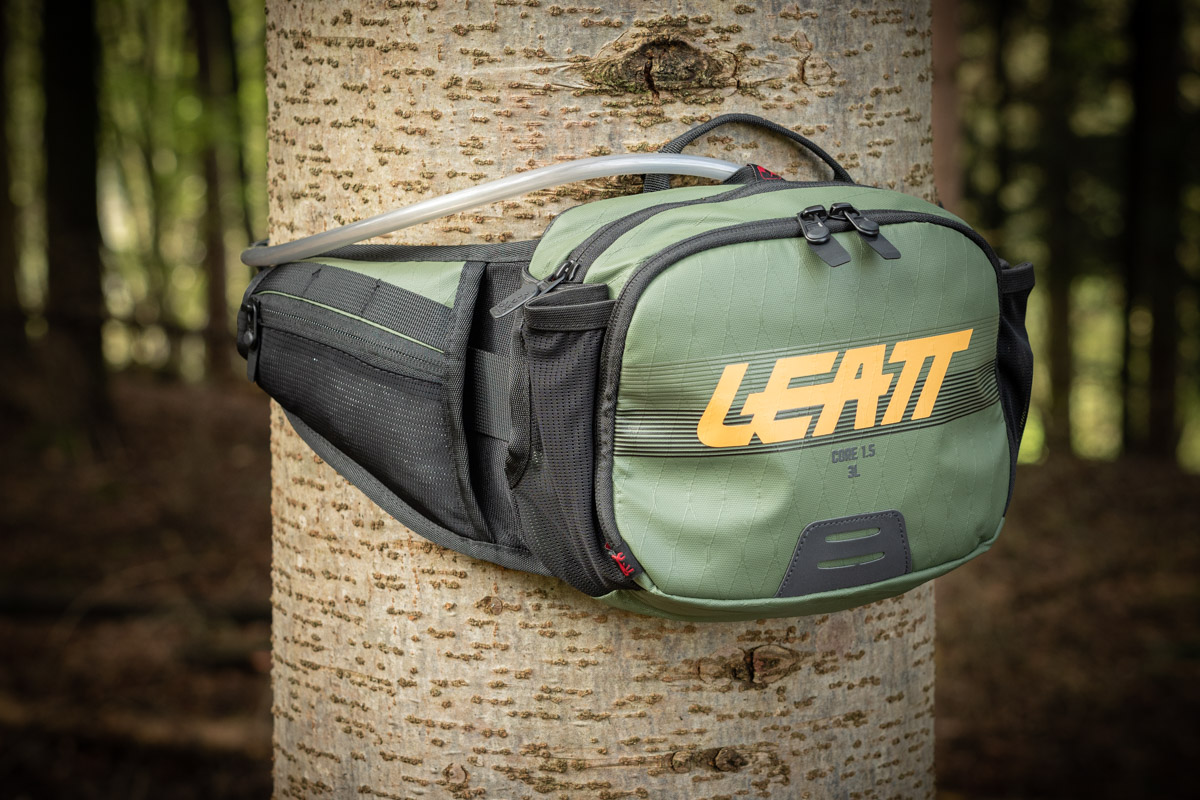
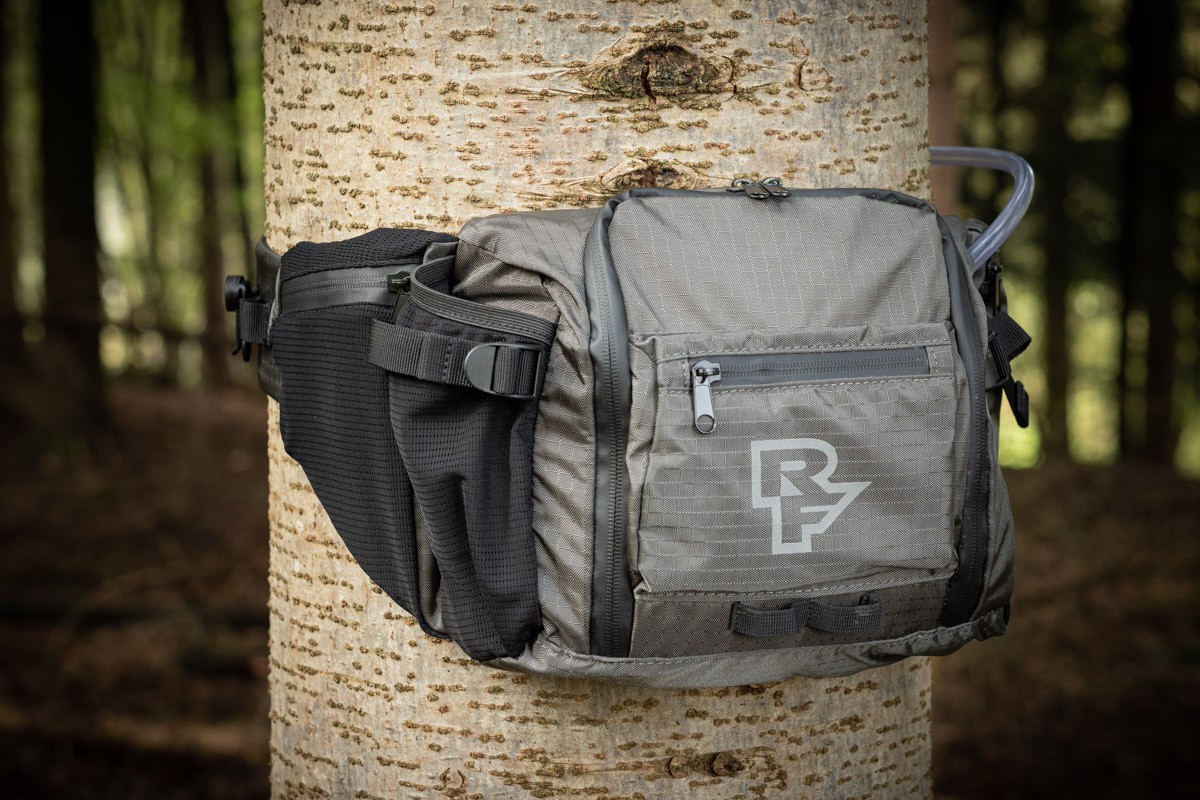
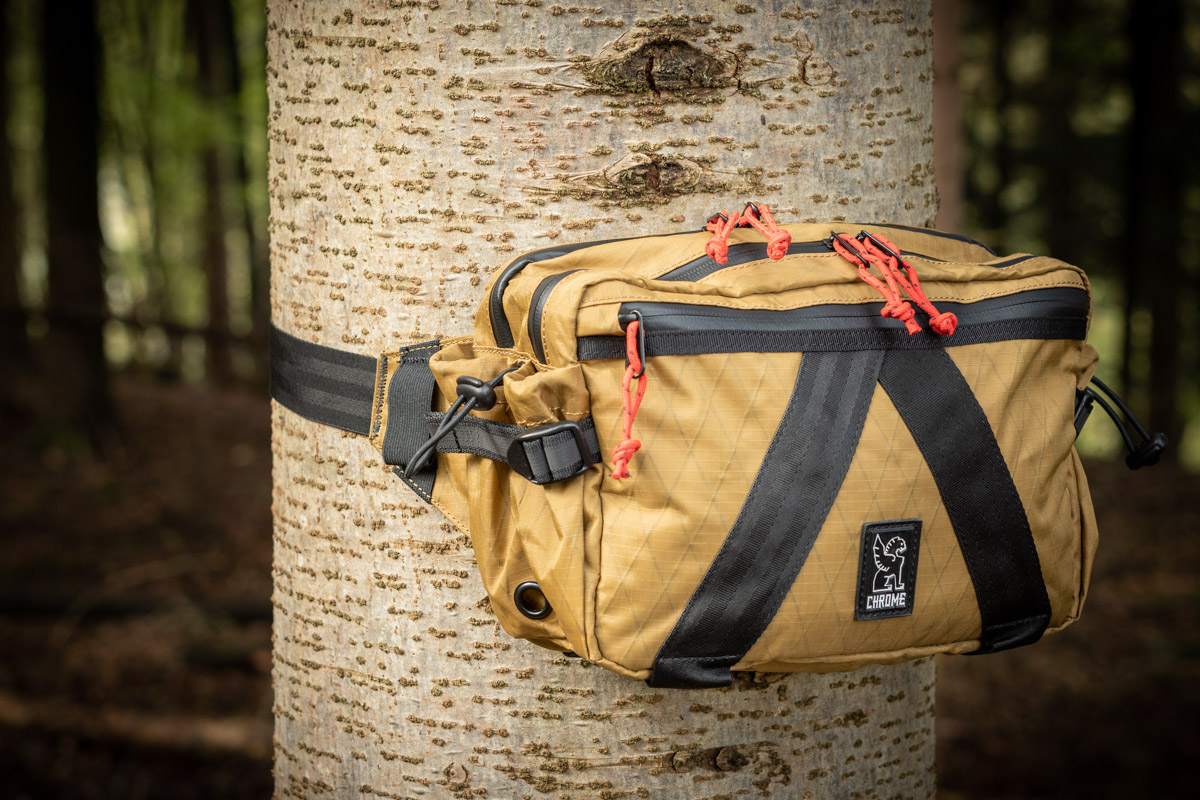
Best list of hip bags 2023
Hip bag leaderboard: Velomotion tests various models and shows you what to look out for when buying a hip bag. Here you will find your personal guide.
Leaderboard hip bags
Waist bag, hip bag, hip pack, waist belt - the designations are varied. What is meant, however, is always that bag around the waist that was anything but trendy until a few years ago. But times are changing and it shows that things that are not very trendy can be practical. This is what happened with the waist pack: For a quick after-work ride or a longer tour with the e-bike in good weather - there are plenty of ideal applications. And if you can live with little luggage, you can enjoy a free back.
In the following you will find extensive information as well as our test criteria for the best list of hip bags.

Hip pack test: advantages and disadvantages compared to a backpack
Benefits
- Free back
- Less back sweating
- Limit to the bare minimum
- Less weight
- Nevertheless, all the important things are there
Disadvantages
- Little storage space
- Only space for the essentials
Purchase advice for the hip bag: What should you pay attention to
The most important feature of a hip bag is, of course, a comfortable, secure fit . A wobbly bag on the trail is no fun. Generally speaking, the wider the strap and the wider the attachment point to the bag, the more comfortable the fit. This usually means the hip bag will also wobble less on the trail. Otherwise, as is so often the case, the best approach is to try it on. Retailers often offer the opportunity to try on different models. This also allows buyers to test whether the hip bag's capacity is sufficient for their essential personal items.
The length of the hip belt is also crucial . Very slim or muscular individuals may not find the right fit with some manufacturers. For example, the Scott hip bag was almost too large for our testers, who were 180 cm tall and had a slim build. Ideally, the belt should be easy to adjust or have a built-in elastic band – or best of all, both. This is because you tend to wear a belt looser when climbing than when descending.
When it comes to hydration systems, it's naturally a matter of personal preference: In our opinion, a hydration bladder with a hose is more comfortable and practical – but when filled, the bladder takes up a lot of packing space. Models designed for bottles leave more room for storage.
The interior layout also depends heavily on personal preferences and the items you carry. However, some manufacturers offer a more practical compartment layout than others. In our opinion, wide-opening compartments are essential. Especially when carrying a hydration bladder, accessing certain items through small openings can be quite difficult. Small slip pockets for energy bars, wallets, keys, and similar items are also very practical.
Those who include longer uphill sections in their tours should consider a mounting option for protective gear . Heavy mobile phone users should also ensure there's an easily accessible pocket for their phone.
It's better to buy a size too big – our tests have shown that almost all hip bags fit best when they're not completely full. This allows them to adapt better to the body shape. Therefore, we recommend buying a hip bag that won't be completely full for a standard tour with a standard amount of gear.


In short: purchase criteria
- Comfortable seat
- No wobble
- Appropriate length of the strap
- Wide straps for more comfort
- Attachment option for protectors
- Hydration system compatible with personal preferences
- Sufficient volume for personal essentials
- Large side pockets for quick access
- Wide-opening compartments for easy loading and unloading
For orientation, you will find the most important things from our editorial team here, which we also used in the test:
- Replacement Tube & Tubeless Repair Kit
- air pump
- multi-tool
- Wallet, keys & cell phone
- 1-2 energy bars
- hydration bladder or bottle
- windbreaker
- A change of shirt if space is available

Hip bag test: This is how we tested it
We have tested all hip bags on our list of the best on alpine trails with flowing and technical sections - including several natural stone steps. A wobbling and the wearing comfort are particularly good here. During use, the handling properties of the various hip bags also become apparent, including the accessibility of compartments. We also paid great attention to the belt and tensioning system. The processing and the ratio of packing volume to weight are less important - but this should not be left unconsidered.
Our test criteria
- comfort
- sit/wiggle
- Belt & tensioning system
- Interior, layout & features
- accessibility of subjects
- application
- Volume to weight ratio
By the way, in the next few weeks you will find the tests of all fifteen test candidates here. Our list of the best is constantly being expanded.