


Conclusion on the list of best bikepacking bags
After extensive testing of over 30 bikepacking bag sets from various manufacturers, one thing is clear: the current market offerings are consistently of a very high standard. All tested bags reliably fulfilled their basic function and demonstrated that modern bikepacking systems are robust, functional, and practical. Differences lie less in the overall quality and more in the details and how well a particular system suits individual needs.
There is no single perfect bikepacking bag. Every rider has different priorities: while maximum robustness and storage space are crucial for some, others prioritize minimal weight or quick handling. Therefore, before buying, you should carefully consider your own needs and take the following points into account.
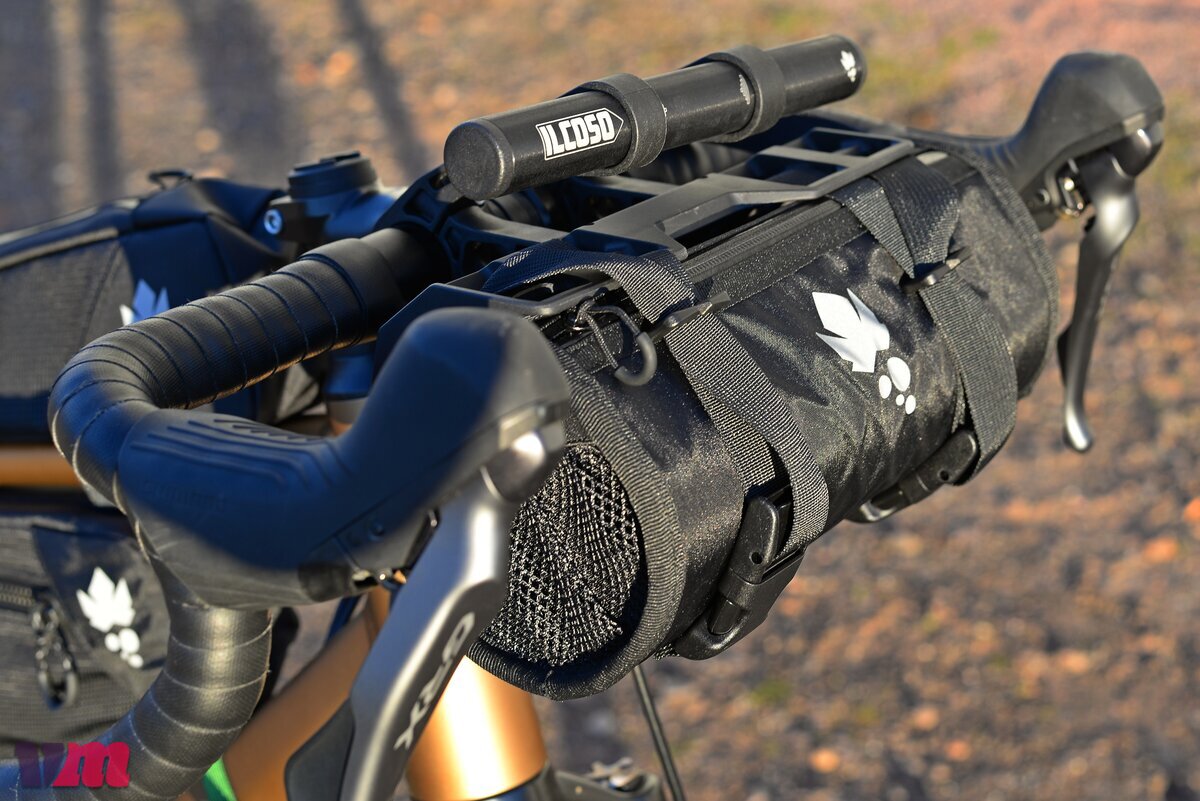
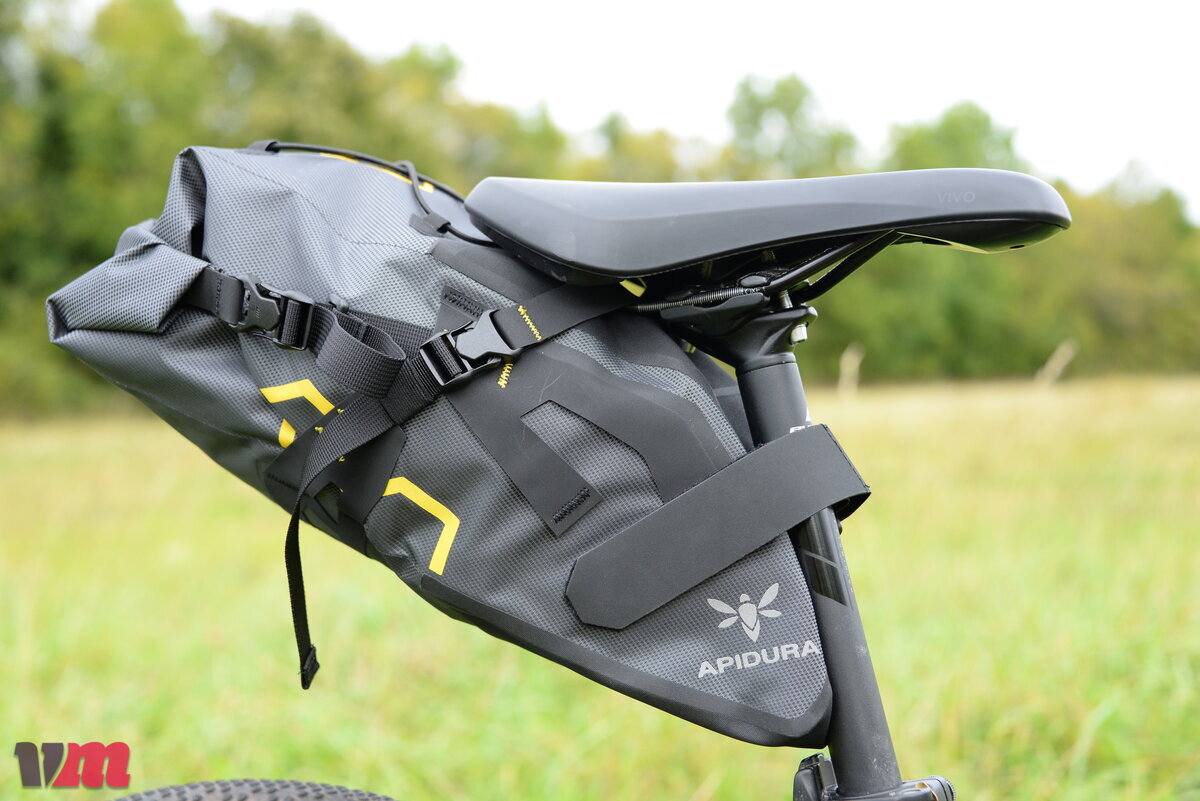
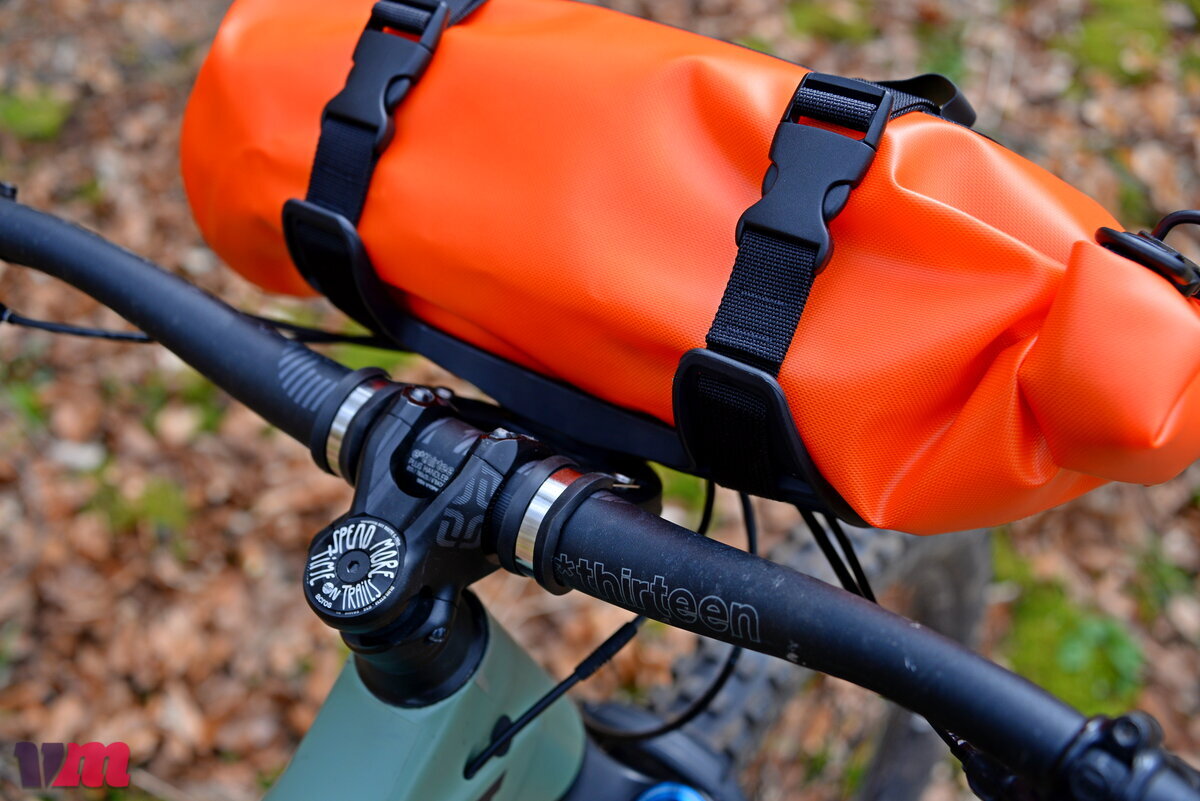
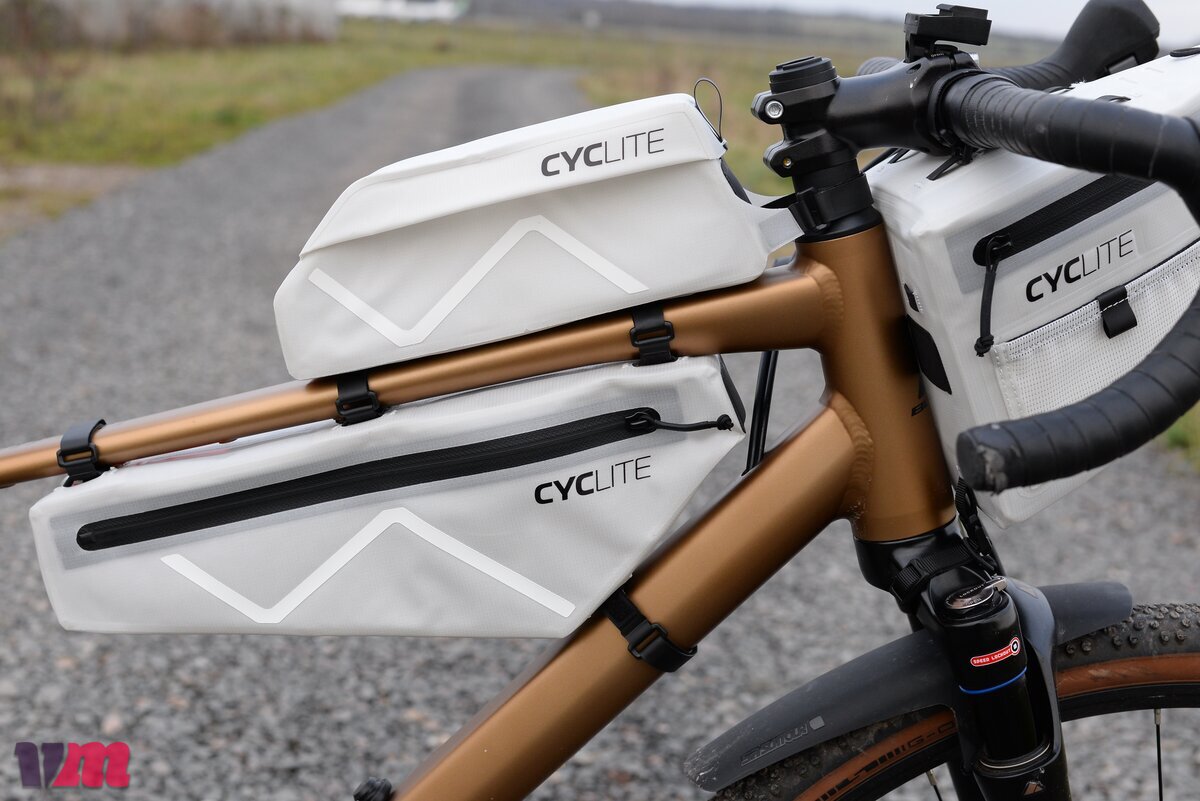
Loading capacity
A crucial point is determining how much storage space is actually needed and how it should be distributed among the individual bags. Before a trip, you should consider what equipment you will be taking and which bags will be most useful for it.
It's not just the sheer volume that matters, but also the weight distribution on the bike. A balanced load improves handling and ensures that the bike remains controllable even on longer rides or more challenging sections. More storage space isn't automatically better – a sensible and efficient setup is crucial.
Fitting
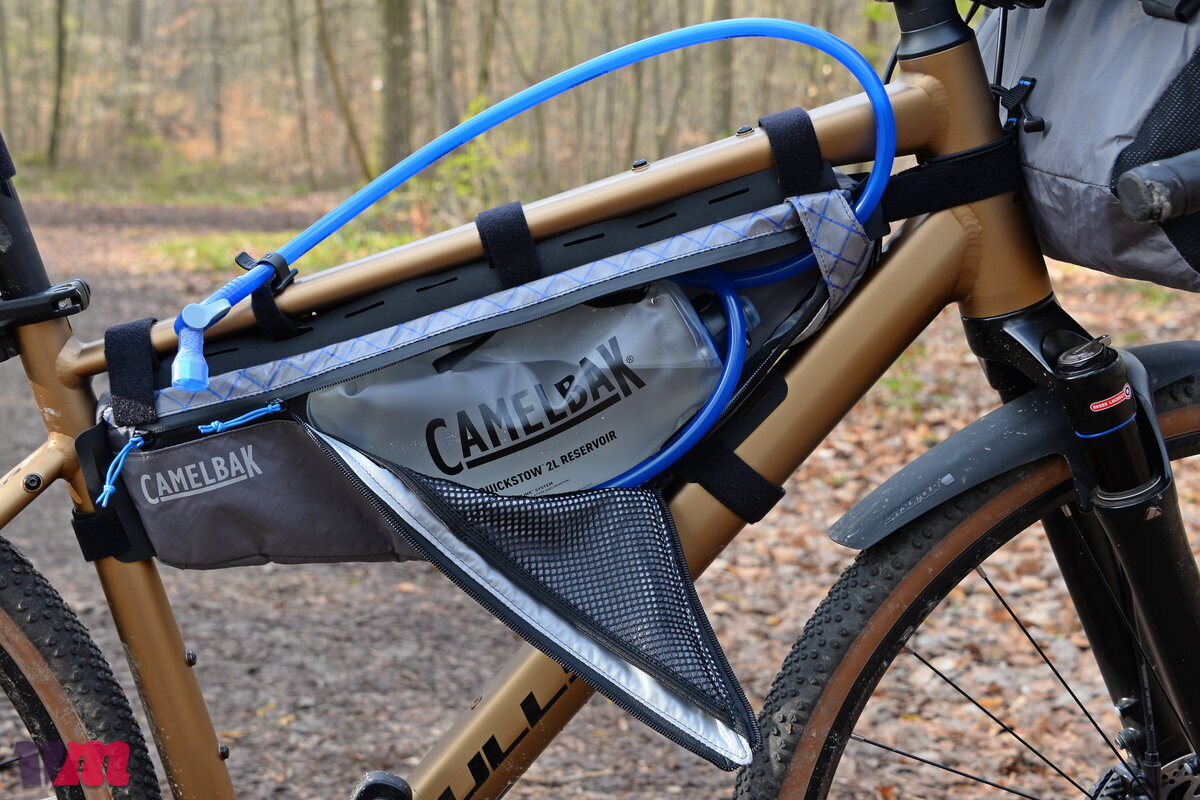
The best bag is of little use if it doesn't fit your bike perfectly. Therefore, you should check whether the desired bag system is compatible with your bike before buying. While most bikepacking bags are universally compatible, there are still significant differences in the available sizes and shapes, especially among frame bags.
Especially with frame bags, it's worth knowing the exact dimensions of your frame. A good fit prevents disruptive movement, improves stability, and ensures that the available space is used optimally.
Robustness and waterproofing
How robust a bag needs to be depends heavily on its intended use. Those who mainly ride on roads or well-maintained forest paths don't necessarily need the most durable material. However, those who regularly ride trails or plan more challenging routes should pay particular attention to robust materials, durable attachments, and long-lasting construction.
When it comes to waterproofing, you should consider what's truly necessary before buying. Your intended use is crucial: Will you be taking a break in bad weather, or will you be riding for hours in continuous rain? Depending on your needs, waterproof systems might be essential, while for other riders, an additional rain cover or a water-resistant packing system might suffice.
When considering robustness, the frequency of use should also be taken into account. Those who use their bags regularly and intensively should pay particular attention to high-quality buckles, closures, and repair-friendly solutions. These details determine the long-term durability of a system.
Weight
The weight of the bags plays a particularly important role when a high-performance setup is required. Riders participating in ultra-races, for example, or aiming for maximum efficiency, often pay attention to every gram saved – and that naturally includes the weight of their bags.
However, those who prefer a relaxed journey and whose primary goal is to arrive safely and comfortably can take a much more relaxed view of weight. A slightly heavier, but more robust or comfortable system might be the better choice in this case.
handling
A frequently underestimated aspect is everyday handling and ease of use during tours. Even before purchasing, you should consider how you intend to use the bags. If they will be frequently removed during a tour, systems where the mounting bracket remains on the bicycle and the bag can be quickly detached are advantageous.
Access while traveling should also be considered. If you need to reach certain items regularly, an easily accessible bag can make all the difference. Thoughtful design increases comfort and saves time and effort on the go.
Budget
Price should naturally play a role in the decision, but you shouldn't automatically opt for the cheapest or most expensive system. What's crucial is what requirements you have for the bags and which features are particularly important.
A careful comparison of the different systems helps to find the best balance between price, performance, and features. Ultimately, the decision shouldn't depend solely on price, but on which overall package best suits your individual tours and requirements.
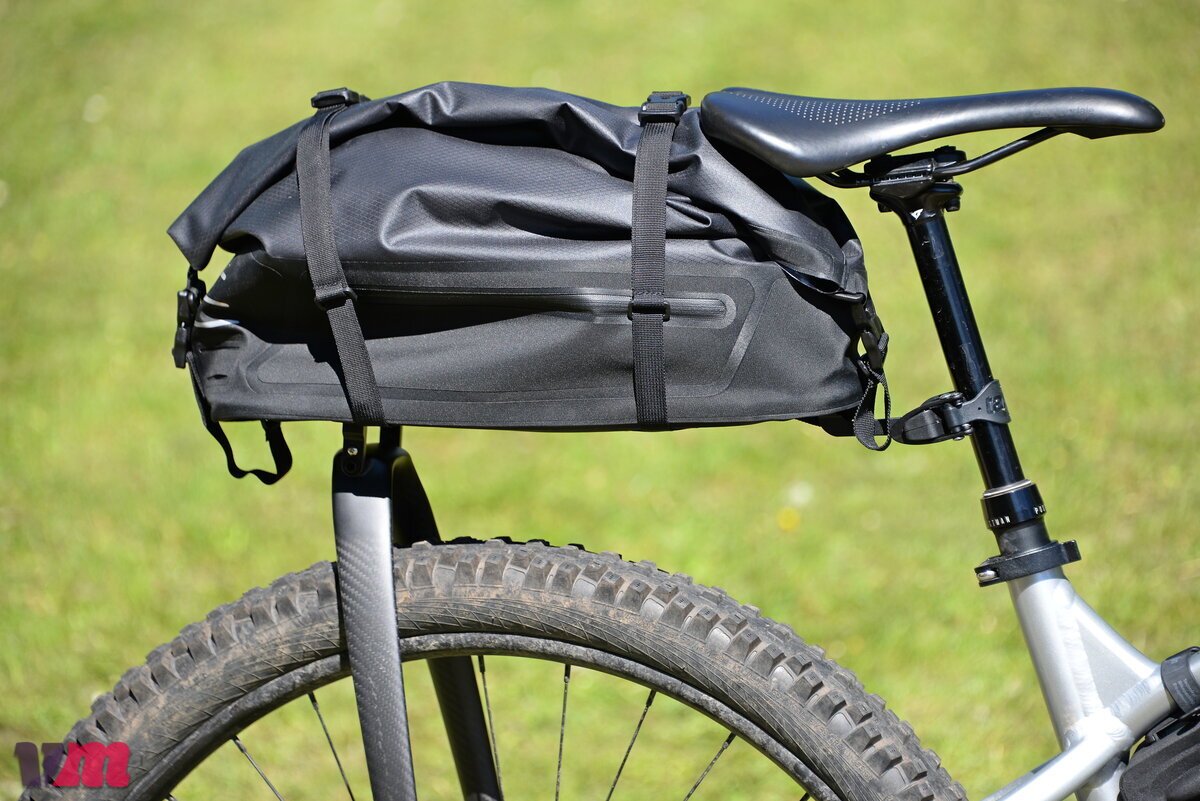
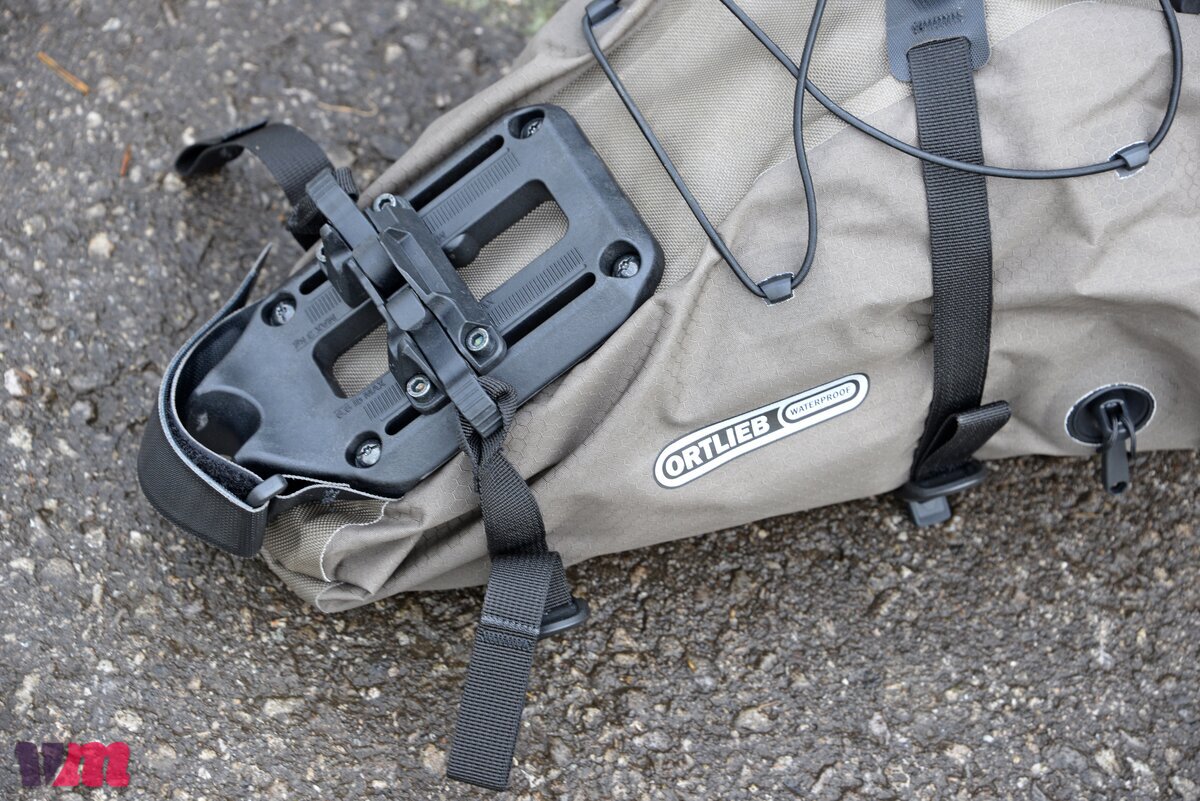
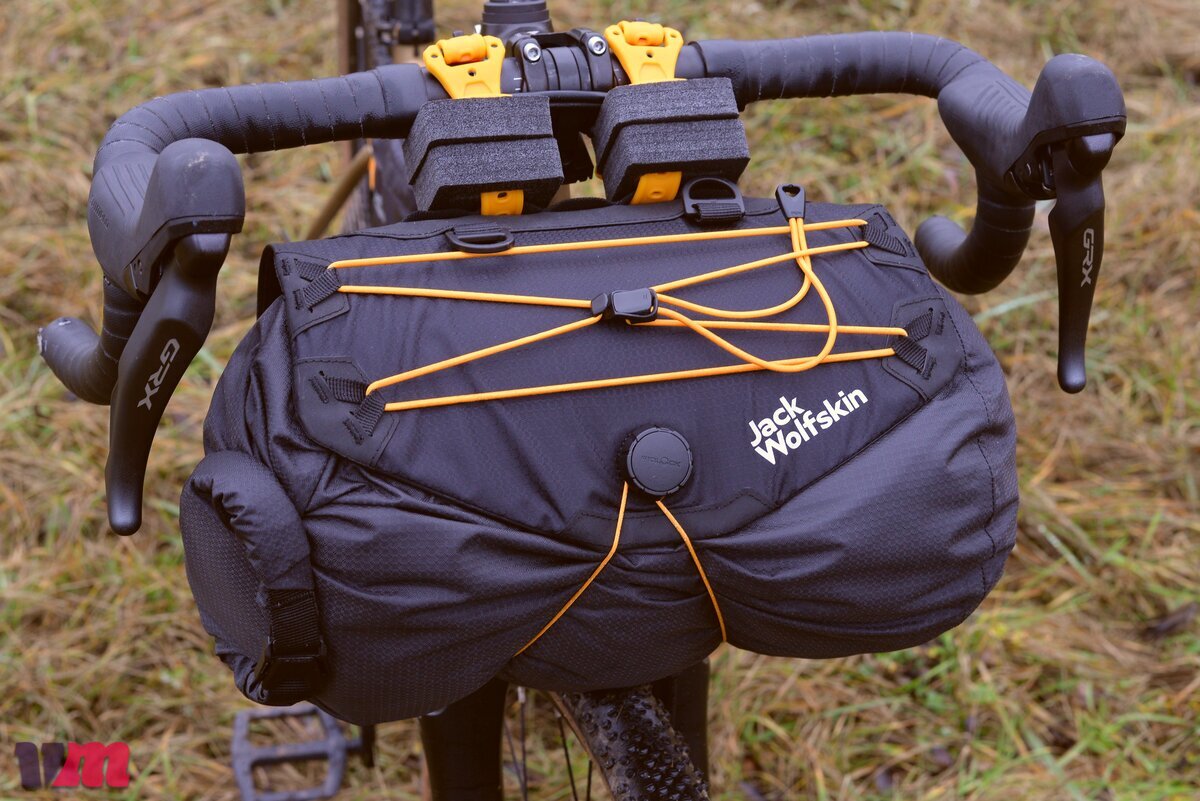
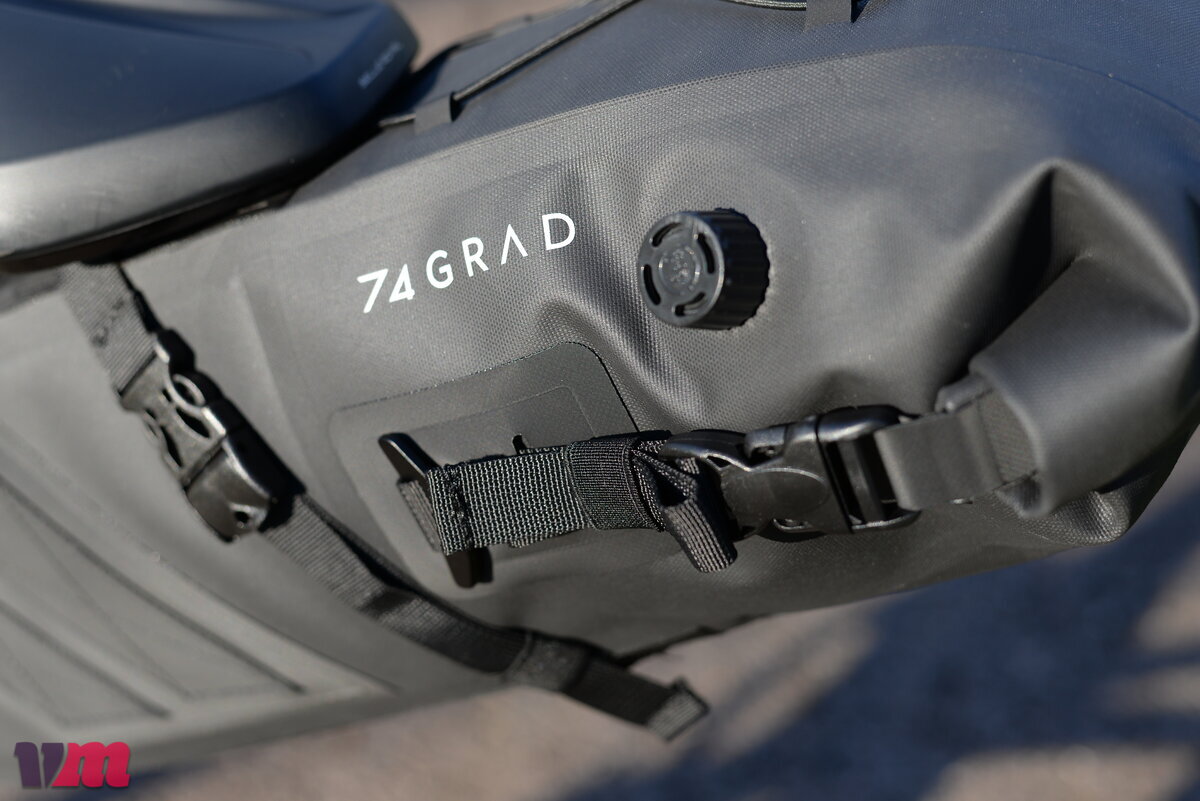
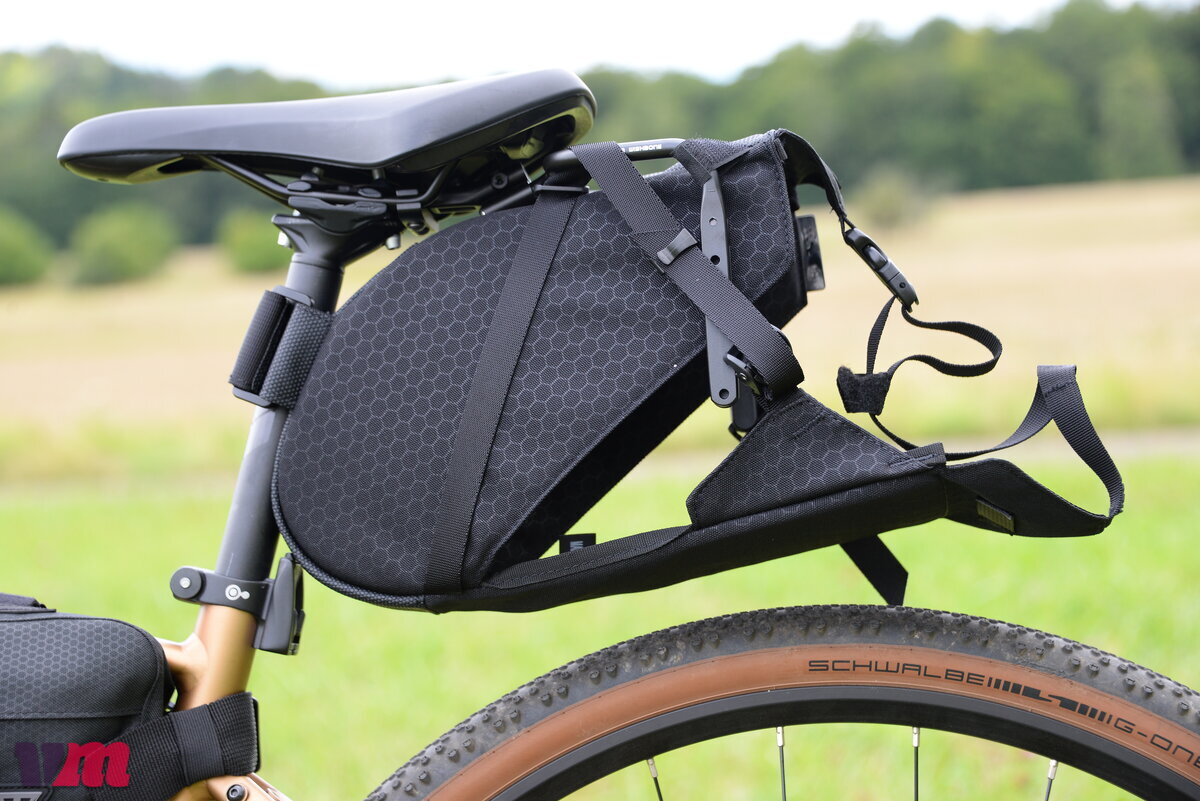
The crucial question is therefore not: "Which bag is the best?", but rather: "Which bag best suits my intended use?" Anyone who considers their own requirements before buying and takes into account factors such as load capacity, fit, robustness, weight, handling and budget will find the right system for their individual bikepacking adventures in the long run.